
 EN
EN
How Digital Water Meters Achieve Superior Measurement Accuracy
Ultrasonic and electromagnetic sensing: eliminating mechanical wear for consistent precision
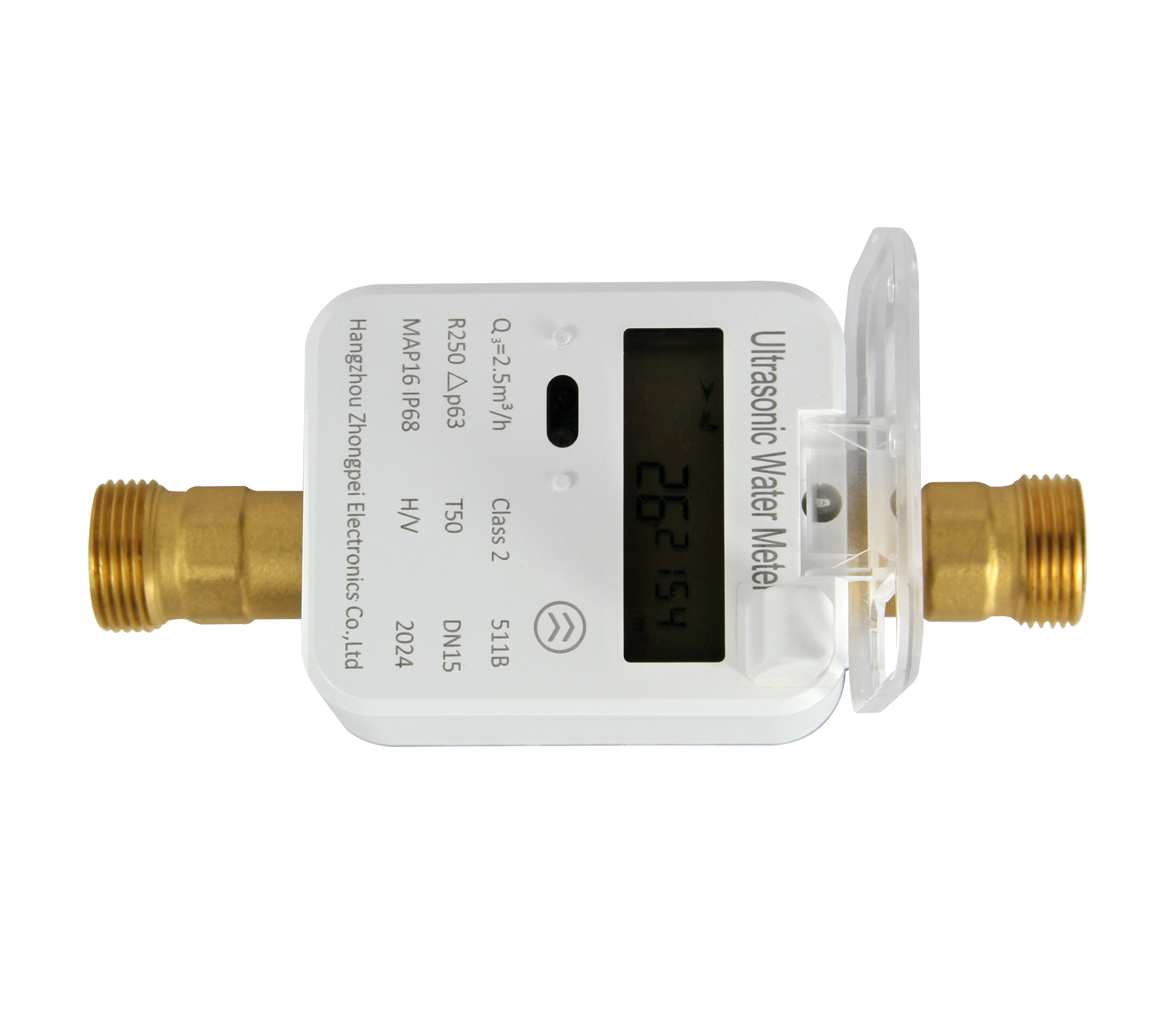
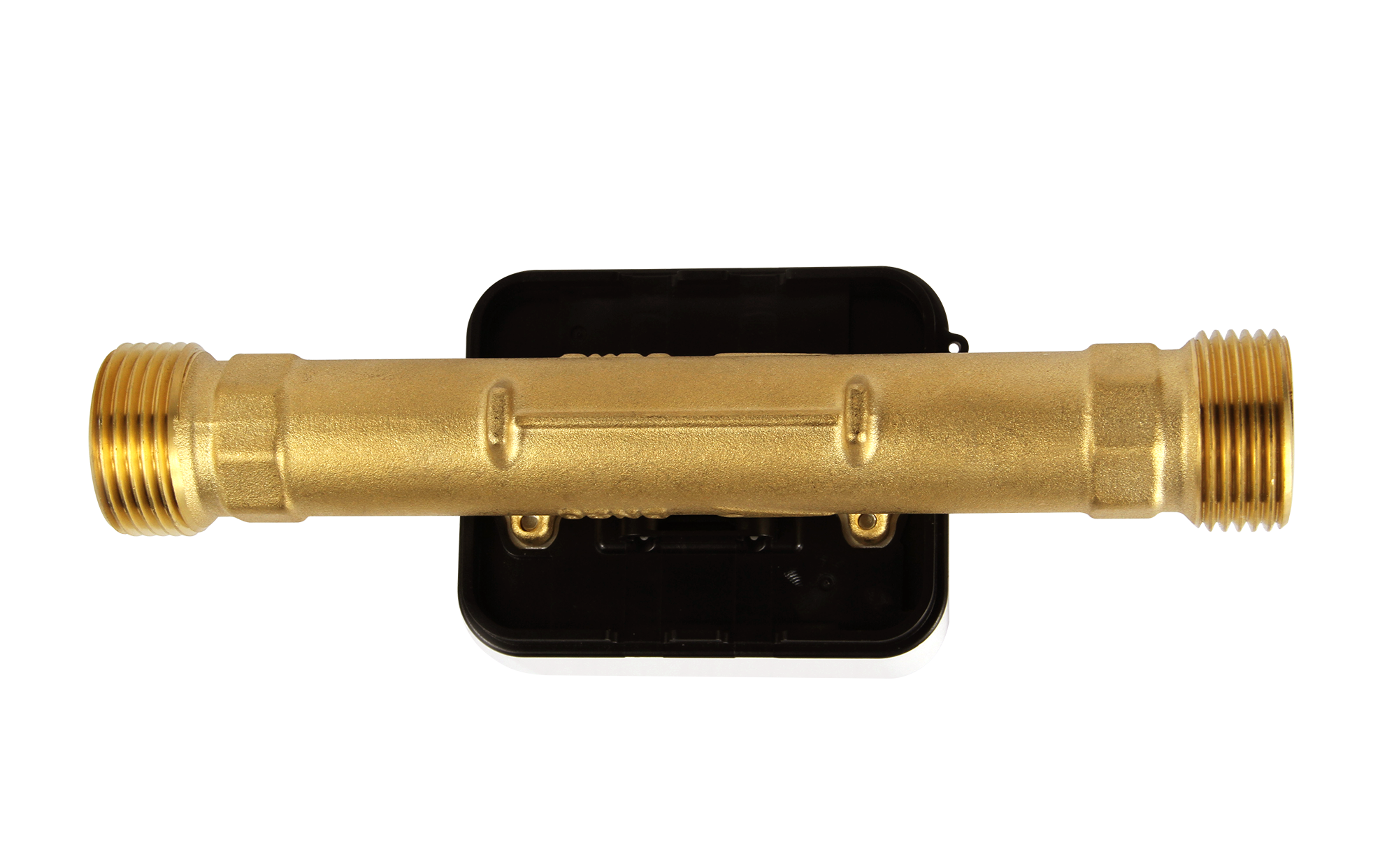
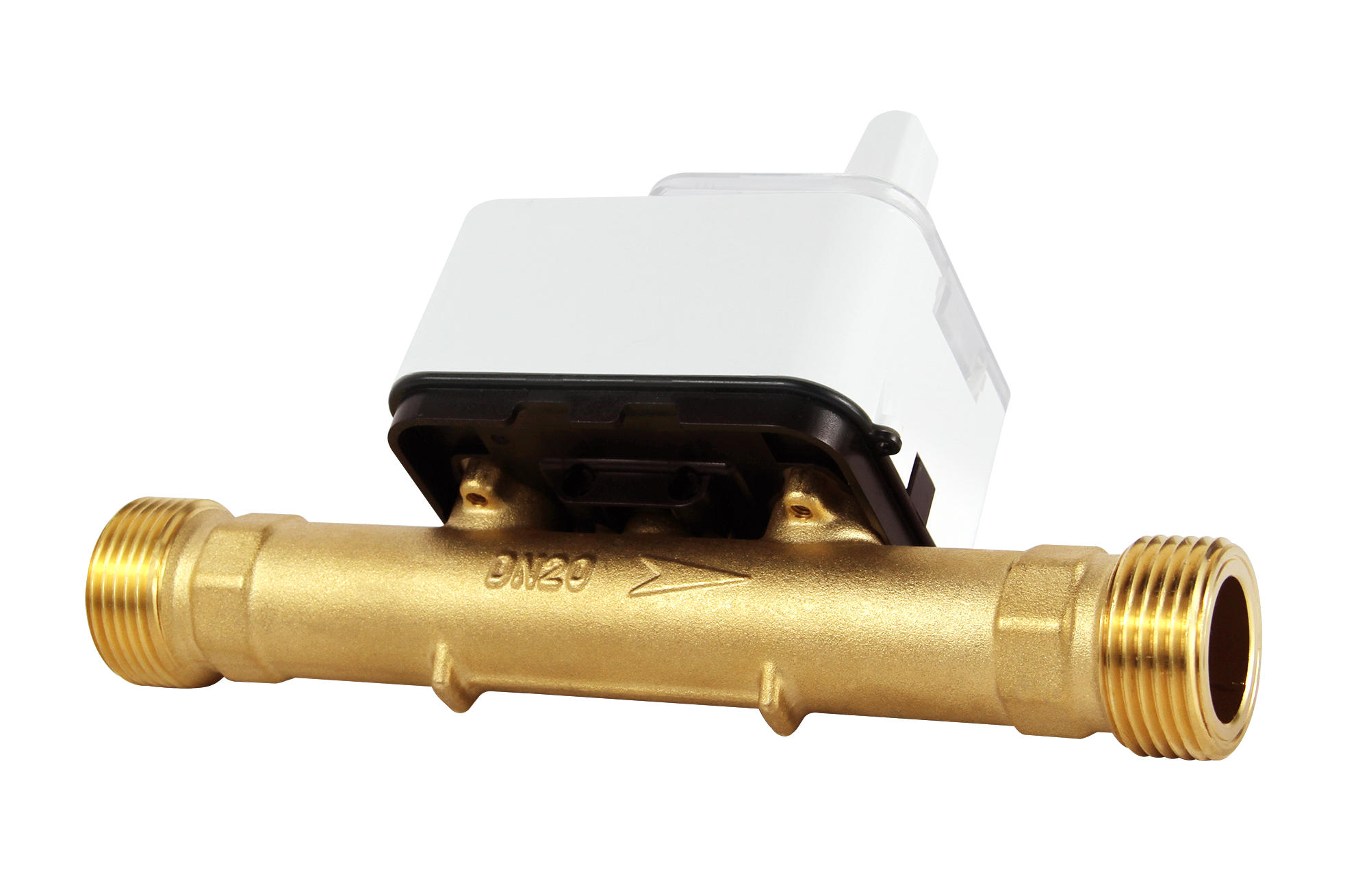
Digital water meters achieve superior accuracy by leveraging solid-state sensing technologies that remove the mechanical components responsible for drift and failure in traditional meters. Ultrasonic meters use transit-time differential measurement—comparing the speed of sound pulses traveling with and against the flow—while electromagnetic meters apply Faraday’s law of induction to measure the voltage generated as water passes through a magnetic field. Neither technology requires impellers, gears, or bearings, so there are no surfaces to wear, clog, or degrade. This design eliminates the primary source of accuracy loss seen in mechanical meters, where friction and mineral buildup can cause under-registration of 5–15 % within five years of installation (AWWA, 2021). In contrast, ultrasonic and electromagnetic meters maintain their original calibration for the entire service life, often delivering ±1 % accuracy or better without field recalibration. Leading utility trials confirm that digital water meters retain this precision for over a decade, even in challenging water quality conditions, because the sensing elements are hermetically sealed and immune to sediment or scale.
Accuracy across flow regimes: low-flow sensitivity, turndown ratio, and long-term stability
A defining advantage of digital metering is its ability to maintain accuracy across a wide range of flow rates, from a trickle to full pipe capacity. Low-flow sensitivity is critical for capturing consumption that would otherwise go unmeasured: a digital water meter can detect flows as low as 0.001 m³/h, enabling accurate billing for small leaks and drips that mechanical meters routinely miss (EPA WaterSense, 2023). This capability is expressed through the turndown ratio (R-value), where ultrasonic meters typically achieve R250 or higher, compared to R40–R80 for mechanical devices. The table below illustrates the contrast in accuracy and stability across flow regimes.
| Meter Type | Low‑flow accuracy (≤1 L/min) | Turndown ratio (R) | Accuracy drift over 10 years |
|---|---|---|---|
| Mechanical | ±5 % or worse | 40–80 | 10–20 % under‑registration |
| Ultrasonic | ±1 % | 200–400 | ±0.5 % or less |
| Electromagnetic | ±1 % or better | 250–500 | ±0.5 % or less |
Long-term stability stems from the absence of moving parts; there is no friction to alter the meter’s response at low velocities. In a 2022 benchmark by a leading metrology institute, ultrasonic meters maintained ±0.5 % accuracy across the entire flow range after ten years of simulated service, while mechanical meters deviated by up to 5 % at low flows. This consistent performance ensures that utilities can rely on digital water meters for accurate billing, leakage analysis, and non-revenue water reduction over the entire asset lifecycle.
Real-Time Monitoring and Leak Detection Enabled by Digital Water Meters
Sub-hourly consumption analytics for rapid anomaly detection and non-revenue water reduction
Digital water meters capture consumption data at intervals as frequent as 15 minutes—far surpassing the monthly reads of mechanical meters. This high-frequency data stream enables utilities to apply anomaly detection algorithms that flag sudden usage spikes, continuous flow during off-hours, or patterns indicative of leaks. For instance, a 2023 field study by the International Water Association found that sub-hourly monitoring reduced leak detection time from weeks to hours, cutting non-revenue water by an average of 18% within the first year of deployment. By integrating these analytics into Meter Data Management (MDM) systems, operators can automatically generate alerts and dispatch crews before a small leak escalates into a main break. The result is a proactive approach to water loss management, directly lowering operational costs and improving network resilience. Moreover, real-time consumption data helps identify unauthorized consumption and meter tampering, further contributing to revenue protection.
Ensuring End-to-End Data Integrity in AMI Deployments
In an Advanced Metering Infrastructure (AMI), data travels from a residential digital water meter through collectors and head-end systems to the utility’s central database. Maintaining accuracy at every step is essential; even a small percentage of corrupted reads can distort billing, undermine leak detection, and erode customer trust. A robust validation framework safeguards the entire data pipeline.
Validation workflows: outlier filtering, time-series consistency checks, and MDM-driven data cleansing
- Outlier filtering: Statistical methods like Z-score or interquartile range tests immediately flag readings that deviate wildly from normal consumption—such as a sudden spike of 10,000 gallons in an hour. These probable sensor glitches are suppressed before they enter the analytics pipeline.
- Time-series consistency checks: The system verifies that consecutive readings follow logical patterns, with no impossible jumps or sustained zero flow when occupancy suggests otherwise. By comparing against historical usage profiles, the checks confirm that the digital water meter’s output remains physically plausible.
- MDM-driven data cleansing: The Meter Data Management (MDM) platform automates validation, estimation, and editing (VEE). When a gap or invalid read is detected, the MDM interpolates reliable values from the meter’s own history or peer groups, ensuring that every record passed to billing and analytics is both accurate and complete.
Operational Best Practices to Sustain Digital Water Meter Accuracy Over Time
Maintaining the high accuracy of a digital water meter over its 15–20 year service life requires a proactive, data-driven maintenance strategy. While solid-state meters eliminate mechanical wear, metrological drift can still occur due to electronic component aging or sensor fouling. A cornerstone of long-term precision is a scheduled calibration program, which often involves bench testing a representative sample of meters against a certified reference standard to verify that measurement error remains within the manufacturer’s specified tolerance—typically ±1% to ±2%. Utilities should align calibration intervals with the manufacturer’s recommendation and the historical performance data from their own fleet, and many now use the AMI itself to remotely monitor performance indicators like battery voltage, signal strength, and temperature, flagging units that may be drifting before they impact billing.
Beyond calibration, consistent data integrity checks are essential. Validation workflows that compare instantaneous flow rates against historical consumption patterns can detect sensor anomalies, while time-series consistency checks in the MDM system can identify data gaps or unrealistic spikes. Physical maintenance, though less frequent, remains important: battery replacement windows should be strictly observed, and meter housings should be inspected for debris ingress or damage, especially in harsh environments. Finally, workforce training in interpreting failure alerts and troubleshooting communication modules ensures that the digital water meter network remains a reliable foundation for accurate billing and non-revenue water reduction.
FAQ Section
What are the primary advantages of digital water meters over mechanical meters?
Digital water meters offer superior accuracy and long-term stability due to the absence of moving parts. Technologies like ultrasonic and electromagnetic sensing eliminate mechanical wear, ensuring more consistent precision and reduced maintenance. Additionally, digital meters provide real-time monitoring capabilities for proactive leak detection and water management.
How do ultrasonic and electromagnetic meters measure water flow?
Ultrasonic meters use sound pulse measurement methods to determine flow rates, while electromagnetic meters utilize Faraday’s law of induction to calculate water flow based on voltage changes in a magnetic field.
Why is low-flow sensitivity important for accurate billing?
Low-flow sensitivity helps capture small water usages like leaks or drips, which traditional mechanical meters often miss. This ensures more comprehensive and accurate billing.
How do digital water meters enable real-time leak detection?
Digital meters collect consumption data at high frequencies, such as 15-minute intervals, allowing for rapid anomaly detection and reducing leak identification times from weeks to hours.
What is Advanced Metering Infrastructure (AMI), and how does it maintain data accuracy?
AMI is a system that transfers meter data in real-time to a utility's database. Validation workflows within AMI, such as outlier filtering and time-series checks, ensure the accuracy and integrity of the data throughout the transfer and analysis processes.
What practices help maintain digital water meter accuracy over its service life?
Scheduled calibration, consistent data validation checks, and physical maintenance like battery replacement are key to ensuring the long-term accuracy and reliability of digital water meters.
Table of Contents
- How Digital Water Meters Achieve Superior Measurement Accuracy
- Real-Time Monitoring and Leak Detection Enabled by Digital Water Meters
- Ensuring End-to-End Data Integrity in AMI Deployments
- Operational Best Practices to Sustain Digital Water Meter Accuracy Over Time
-
FAQ Section
- What are the primary advantages of digital water meters over mechanical meters?
- How do ultrasonic and electromagnetic meters measure water flow?
- Why is low-flow sensitivity important for accurate billing?
- How do digital water meters enable real-time leak detection?
- What is Advanced Metering Infrastructure (AMI), and how does it maintain data accuracy?
- What practices help maintain digital water meter accuracy over its service life?