
 EN
EN
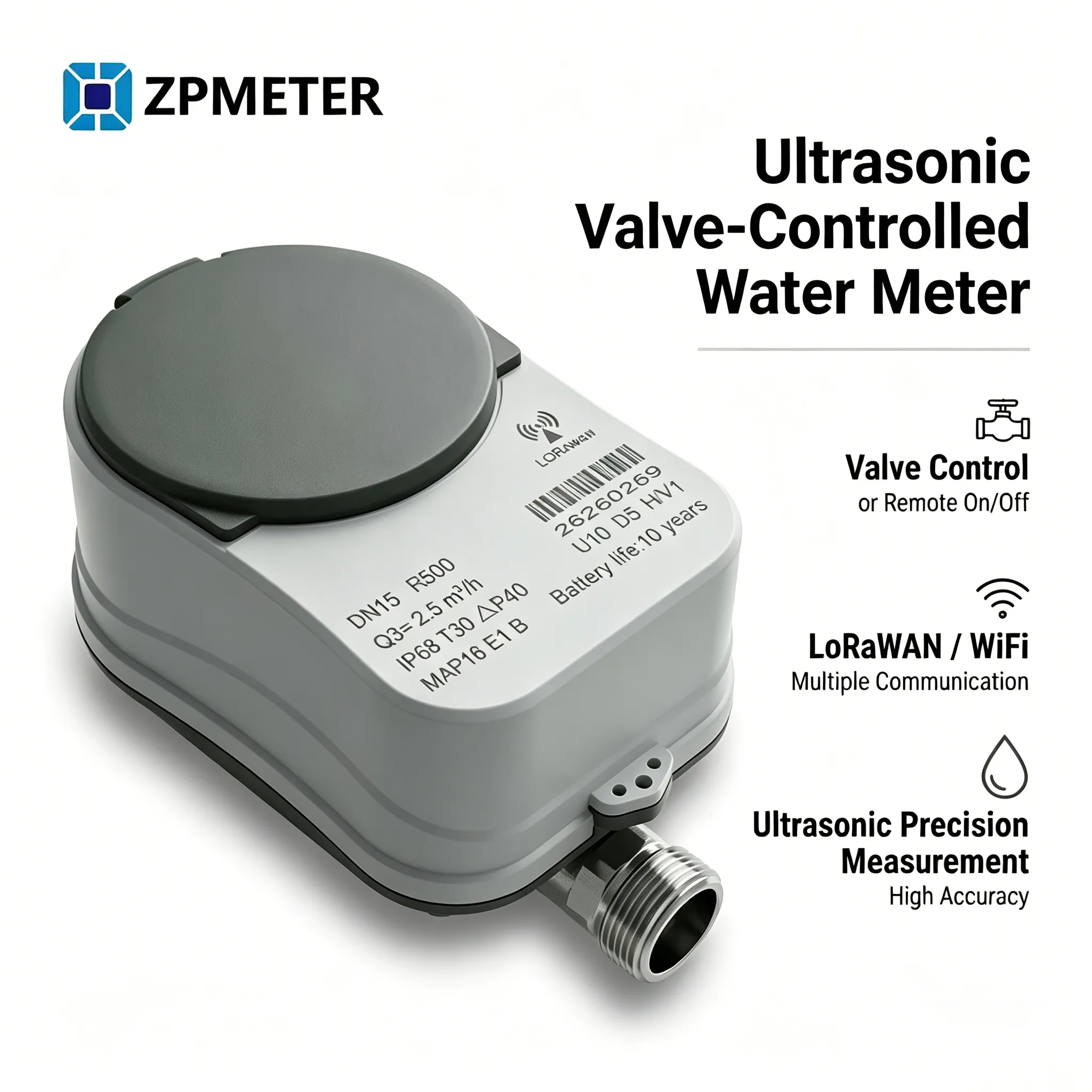
Ultrasonic Flow Meter Accuracy: Class 2, R400 & Real-World Performance
Evaluating precision across modern municipal distribution networks and industrial utility grids requires a firm, practical grasp of international metrological benchmarks. Back in early district metering area deployments, dealing with aging mechanical turbines that completely missed low-end trickle flows taught utility engineers a hard lesson about revenue loss. When examining modern flow metering hardware, standards established by organizations like the International Organization of Legal Metrology, specifically ISO 4064, dictate strict performance brackets. Devices categorized under Class 2 accuracy represent the definitive benchmark standard for commercial billing and fiscal water distribution networks. These official ratings mandate rigorous error limits during both transitional and permanent flow rates, ensuring that municipal water providers bill accurately while capturing minor leakages that older mechanical setups historically failed to register.
A defining metric of modern ultrasonic precision is the wide turndown ratio, with R400 specifications setting a remarkably high performance bar for field operations. Traditional mechanical water meters often struggle with narrow measurement windows, losing absolute linearity when fluid velocity drops near zero. In contrast, an R400-rated ultrasonic meter maintains exceptional measurement stability across a vast operational spectrum, tracking maximum nominal flows down to minimal cut-off thresholds without calibration drift. This wide dynamic range allows water authorities and plant engineers to deploy a single instrument type across vastly different pipe diameters and variable load profiles without ever sacrificing data integrity or compliance.
Transitioning from traditional rotating-element meters to solid-state ultrasonic technology solves inherent mechanical wear issues that consistently plague legacy infrastructure. Mechanical meters rely heavily on moving impellers or internal turbines that degrade over time due to suspended sediment, pipe scale, and continuous abrasive friction against wetted parts. Ultrasonic meters utilize advanced transit-time acoustic technology with zero moving parts, meaning the internal flow path remains completely unobstructed from end to end. According to research published by international flow measurement panels, eliminating mechanical obstructions prevents localized pressure drops and stops physical jamming, ensuring that calibration accuracy remains rock-solid over decades of continuous operation in harsh industrial environments.
Achieving laboratory-grade accuracy in the field depends heavily on proper hydraulic positioning and environmental mitigation during installation. Even the most advanced ultrasonic sensor can experience measurement skew if placed directly downstream of turbulent valves, sharp pipe elbows, or asymmetric fittings. Ensuring sufficient unobstructed straight pipe lengths upstream and downstream allows the velocity profile to stabilize naturally into true laminar flow. Additionally, managing pipe vibration, preventing thermal shock, and avoiding bubble entrainment within the fluid medium are essential field practices that protect high-precision measurement outputs and ensure long-term equipment reliability.
Delivering high-accuracy flow meters that consistently meet strict international metrological codes demands uncompromising production controls and advanced engineering capabilities. From precision transducer matching to rigorous automated wet-bench calibration testing, every manufacturing step directly influences final field reliability. Supported by advanced manufacturing automation and a robust global supply chain network, Hebei Minmetals consistently provides dependable, high-precision metering solutions designed to meet the rigorous demands of municipal water authorities and industrial operators worldwide.