
 EN
EN
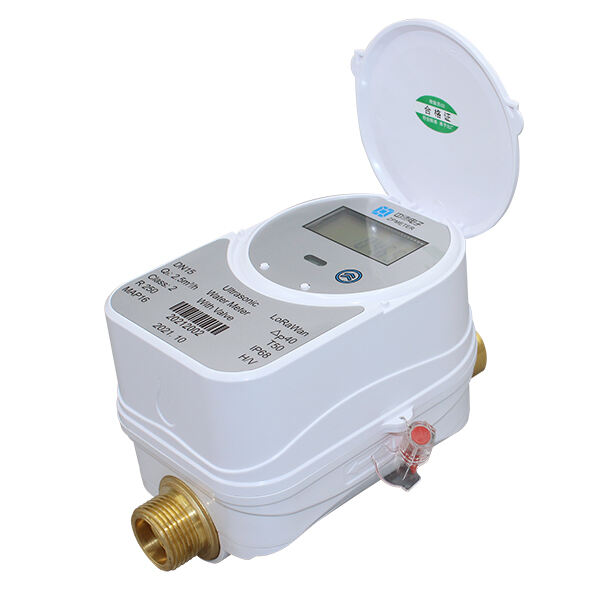
حذف سیمکشی و زیرساختهای برقی
نیازی به شیارکشی، نصب لولههای حفاظتی یا اتصالات برقی نیست
کنتورهای بیسیم آب، نیاز به شیارکشی، نصب لولههای حفاظتی و سیمکشی برقی را از بین میبرند — که این عوامل اصلی هزینه و زمان در پیادهسازیهای سنتی کنتورها هستند. به جای انجام کارهای مخرب زیرزمینی، تکنسینها صرفاً دستگاه را مستقیماً روی لولههای موجود نصب میکنند. این روش نصب سطحی، زمان انجام کار در محل را ۷۵٪ کاهش داده و هزینه مواد را ۶۰٪ کاهش میدهد؛ بر اساس معیارهای صنعتی انجمن آبآشامیدنی آمریکا (AWWA) و انجمن شبکههای هوشمند آب (SWAN). شهرداریها از بستهشدن جادهها، هزینههای بازسازی و تأخیرات ناشی از صدور مجوزهای مرتبط با ساختوساز زیرزمینی جلوگیری میکنند — که این امر توسعه سریعتر را تسهیل کرده و تأثیرات عمومی را به حداقل میرساند.
عملکرد قابل اعتماد در مناطق دورافتاده یا تاریخی بدون دسترسی به شبکه برق
کنتورهای بیسیم با باتری، بهصورت خودمختار و بدون نیاز به اتصال به شبکه برق، برای مدتی بیش از ۱۰ سال کار میکنند—و بنابراین برای مناطق تاریخی که قوانین حفاظت از آثار تاریخی انجام حفاری یا کشیدن سیم را ممنوع میکنند، و همچنین برای مناطق کشاورزی یا روستایی دورافتاده که زیرساخت برقی ندارند، ایدهآل هستند. این کنتورها با استفاده از شبکههای پهنباند کممصرف (LPWAN) مانند LoRaWAN یا NB-IoT، حتی در مناطق فاقد پوشش سلولی نیز انتقال دادهها را بهطور قابلاطمینان انجام میدهند. پیادهسازیهای میدانی عملکرد پایدار این کنتورها را در زیرزمینهای مستعد سیل، مناطق ساحلی و مناطق کوهستانی تأیید کردهاند—محیطهایی که در آنها کنتورهای سیمی اغلب به دلیل نفوذ رطوبت یا ناپایداری برق از کار میافتند. مهمتر از همه، تشخیص نشت آب در زمان واقعی حتی در طول قطعیهای منطقهای نیز فعال باقی میماند و از اتلاف آب جلوگیری کرده و ریسکهای مربوط به زیرساخت را کاهش میدهد.
نصب سریعتر و کاهش کل هزینههای نصب
کاهش زمان انجام کار در محل: نصب یک کنتور بیسیم آب در عرض چند دقیقه
نصب هر واحد در مدت زمانی کمتر از ۱۵ دقیقه انجام میشود — در حالی که برای سیستمهای سیمی، چندین ساعت زمان لازم بود. نیروهای اجرایی تنها از ابزارهای دستی پایه استفاده میکنند؛ هیچگونه بیل مکانیکی، خمکنندهی کانالکشی یا تستر برقی مورد نیاز نیست. این فرآیند آمادهبهکار (Plug-and-Play) امکان نصب روزانهی ۳ تا ۵ برابر بیشتر کنتور را برای تیمهای شرکتهای توزیع فراهم میسازد. کاهش زمان اجرا بهویژه در بازسازیهای شهری گسترده ارزشمند است، زیرا محدودسازی توقفهای خیابانی و قطعیهای خدمات، پذیرش ذینفعان را افزایش میدهد. دادههای میدانی شهرداریها نشان میدهد که تأخیر در بازرسیها ۹۰٪ کاهش یافته است، چرا که نصب بیسیم کاملاً از فرآیند اخذ مجوز برقی و بررسیهای انطباق با مقررات فنی مستثنی است. آموزش تکنسینها سادهسازی شده است — تسلط بر روی این سیستم در طول یک شیفت کامل بهجای چندین هفته حاصل میشود.
صرفهجویی در دنیای واقعی: کاهش ۶۲٪ هزینهی نیروی کار در بازسازیهای شهرداری
در بازسازی سال ۲۰۲۳ مربوط به ۲۴۰۰ کنتور قدیمی در یک شهرداری متوسط، هزینهی نیروی کار بهازای هر کنتور ۶۲٪ کاهش یافت — از ۱۸۹ دلار به ۷۲ دلار — که این کاهش ناشی از سه کارایی کلیدی بود:
- حذف نیروی اجرایی حفاری (صرفهجویی ۵۸ دلار بهازای هر کنتور)
- کاهش ۸۰ درصدی ساعات کار الکتریسیانها (صرفهجویی ۴۱ دلار)
- عدم نیاز به بازرسیهای برقی پس از نصب (صرفهجویی ۱۸ دلار)
پروژه شش ماه زودتر از زمان تعیینشده به پایان رسید و از تحمیل ۱۴۰۰۰۰ دلار هزینه اضافیِ ساعتهای اضافه و مدیریت ترافیک جلوگیری کرد. صرفهجوییهای مشابهی در سایر زمینهها نیز حاصل شد: در مناطق تاریخی کاهش ۵۵ درصدی و در مناطق شهری پیرامونی (سبزی) کاهش ۶۸ درصدی مشاهده شد. قابل توجه است که ۷۵ درصد از بودجه صرفهجوییشده در بخش نیروی کار، بهمنظور ارتقای سیستمهای گستردهتر — از جمله شبکههای نظارت بر فشار — اختصاص یافت و این امر ارزش عملیاتی بلندمدت را افزایش داد.
ادغام بدون دردسرِ سیستمهای بازسازیشده با زیرساخت موجود
ارتقاهای بیسیم ماژولار، کنتورهای مکانیکی قدیمی را حفظ میکنند
نصب مجدد نیازی به جایگزینی کنتورهای مکانیکی سالم ندارد. ماژولهای رادیو فرکانس (RF) ماژولار بهصورت مستقیم به واحدهای موجود متصل میشوند و خوانشهای آنالوگ را بدون ایجاد اختلال در لولهها، جعبههای کنتور یا خطوط تأمین خدمات، به انتقالهای دیجیتال امن تبدیل میکنند. سنسورهای بستشونده و غیرتهاجمی نیز سازگانپذیری را بیشتر گسترش داده و امکان نظارت از راه دور را بدون نیاز به حفاری یا قطع خدمات فراهم میسازند. این رویکرد سرمایهگذاریهای اولیه را حفظ کرده و همزمان امکان تحلیلهای بلادرنگ، هشدارهای نشتی و گزارشدهی روندهای مصرف را فراهم میآورد. بر اساس «راهنمای بهترین شیوههای نصب مجدد ۲۰۲۲» انجمن آب آمریکا (AWWA)، این ارتقاءهای ماژولار هزینههای اجرایی را نسبت به تعویض کامل ۶۰٪ کاهش میدهند و عمر مفید داراییها را تا ۱۵ سال افزایش میدهند. این راهحلها از نظر پشتیبانی عقبگرد با پلتفرمهای اصلی تولیدکنندگان تجهیزات اصلی (OEM) طی دو دهه اخیر سازگانپذیر هستند و تنها نیازمند تعویض باتری هر ده سال یکبار بوده و بهصورت کاملاً یکپارچه با سیستمهای موجود SCADA و صورتحسابگیری کار میکنند.
نصب انعطافپذیر در محیطهای فیزیکی چالشبرانگیز
کنتورهای بیسیم آب، محدودیتهای فضایی و محیطی را که بر روشهای سیمی اعمال میشود، برطرف میکنند—و این امر بدان دلیل است که این کنتورها از نظر اندازه جمعشده هستند، منبع تغذیه مستقل دارند و طراحی پوستهی مقاومی دارند.
نصب در زیرزمینها، اتاقکهای تأسیساتی و حیاطهای خصوصی
پروفیل نازک و انعطافپذیری در نصب این کنتورها امکان استقرار آنها را در فضاهای محدودی فراهم میکند که کنتورهای سنتی در آنها جا نمیگیرند: اتاقکهای تأسیساتی باریک، زیرزمینهای ساختمانهای تاریخی با ارتفاع محدود یا دسترسی محدود، و حیاطهای خصوصی با تأسیسات مدفون یا محدودیتهای دسترسی. در اجرای پروژههای بازسازی پیچیده، اپراتورها بهطور مداوم موفق میشوند کل پروژه را ظرف ۷۲ ساعت به اتمام برسانند—و این امر با حذف عملیات شیارکشی، اصلاحات سازهای و هماهنگی با پیمانکاران شخص ثالث حاصل میشود.
طراحی فشرده و مقاوم در برابر عوامل جوی برای استفاده در محیطهای داخلی و خارجی
محفظههای دارای رتبه IP68 و محدوده دمای عملیاتی از -40°F تا 158°F (-40°C تا 70°C) عملکرد قابل اعتمادی را در شرایط سخت تضمین میکنند. محفظه پلیمری مقاوم در برابر خوردگی، دقت را در محیطهای ساحلی با هوای نمکی حفظ میکند و در برابر چرخههای مکرر انجماد-ذوب مقاومت میکند. واحدها در گودالهای کنتور فضای باز که در معرض باران و اشعه ماوراء بنفش قرار دارند و در محیطهای داخلی با رطوبت بالا مانند اتاقهای دیگ بخار - بدون محافظ اضافی یا کنترلهای آب و هوایی - به طور یکسان عملکرد خوبی دارند.
سوالات متداول
سوال: منبع تغذیه مترهای بیسیم آب چیست؟
پاسخ: مترهای بیسیم آب بهصورت مستقل با سیستم تغذیه باتریای کار میکنند و بدون نیاز به اتصال به شبکه برق، بیش از ۱۰ سال عملیاتی هستند.
سوال: آیا نصب مترهای بیسیم آب در مناطق تاریخی یا دستنیافتنی امکانپذیر است؟
پاسخ: بله، این مترها به دلیل روش نصب غیرتهاجمی و عدم وابستگی به زیرساختهای برقی موجود، برای مناطق تاریخی و مکانهای دورافتاده ایدهآل هستند.
سوال: نصب یک متر بیسیم آب چقدر زمان میبرد؟
الف: نصب معمولاً کمتر از ۱۵ دقیقه به ازای هر دستگاه با استفاده از ابزارهای دستی پایهای طول میکشد.
سوال: آیا کنتورهای بیسیم با سیستمهای مکانیکی قدیمی سازگانپذیر هستند؟
پاسخ: بله، ماژولهای رادیویی (RF) قابلاتصال به کنتورهای مکانیکی موجود هستند و با حفظ این کنتورها، امکان انتقال دیجیتال دادهها را فراهم میکنند.
سوال: شهرداریها چه صرفهجوییهایی را میتوانند هنگام انتقال به کنتورهای بیسیم آب انتظار داشته باشند؟
پاسخ: بازسازیهای انجامشده توسط شهرداریها کاهش هزینههای نیروی کار تا ۶۲ درصد، همراه با تکمیل سریعتر پروژهها و حداقل نیاز به مجوزهای اداری را نشان دادهاند.