
 EN
EN
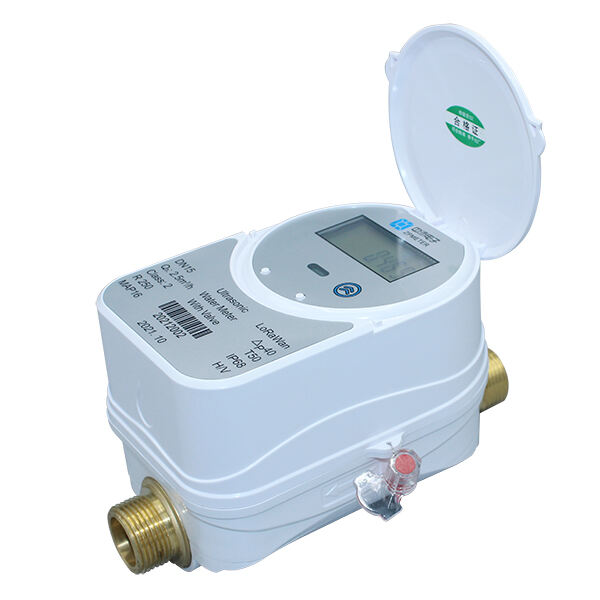
Ինչպես է անցման ժամանակի ուլտրաձայնային ջրի հաշվիչների տեխնոլոգիան հասնում 0,5 դասի ճշգրտության
Անցման ժամանակի և Դոպլերի միջև տարբերությունը. Ինչու՞ է անցման ժամանակի տեխնոլոգիան մաքուր ջրի չափման ստանդարտը
Ուլտրաձայնային տեխնոլոգիան՝ անցման ժամանակի սկզբունքով, աշխատում է հաշվարկելով ձայնային ալիքների ջրով անցնելու ժամանակը՝ ինչպես հոսանքի ուղղությամբ, այնպես էլ դեմ հոսանքի։ Սա տարբերվում է Դոպլերի մեթոդներից, որոնք պահանջում են ջրում լողացող մասնիկներ՝ ալիքների արտացոլման համար։ Իսկ անցման ժամանակի մեթոդը պահանջում է միայն մաքուր ջուր՝ առանց այդ փոքրիկ մասնիկների լողացման։ Այսինքն՝ այլևս չեն առաջանում խնդիրներ օդի պղպջակների պատճառով չճշտված ցուցմունքների կամ ժամանակի ընթացքում նստվածքների կուտակման հետ, ինչը հաճախ է տեղի ունենում քաղաքային ջրամատակարարման համակարգերում։ Հետազոտությունները ցույց են տվել, որ այս անցման ժամանակի հաշվիչները մնում են բավականին ճշգրիտ՝ մինչև 0,5 % սխալ նույնիսկ ջրի հոսքի փոփոխության դեպքում, իսկ Դոպլերի հաշվիչները հաճախ շատ ավելի մեծ սխալներ են ցույց տալիս՝ նույն պայմաններում սխալը կարող է գերազանցել 2 %-ը։ Աշխարհի մեծամասնության ջրամատակարարման կազմակերպությունները նախընտրում են անցման ժամանակի հաշվիչները, քանի որ նրանք օրեցօր անհրաժեշտ են հաստատուն արդյունքների համար, հատկապես այն դեպքում, երբ ջրի որակի չափումների վերաբերյալ սահմանված են որոշակի ստանդարտներ կարգավորող մարմինների կողմից։
Ոչ ինվազիվ հոսքի սենսորավորում. Ինչպես երկու ճանապարհի անցման ժամանակի դիզայնը ապահովում է 0,09 % կրկնելիություն
Երկու ճանապարհի տրանզիտային ժամանակի չափիչները աշխատում են՝ խողովակի միջով տարբեր անկյուններով երկու ուլտրաձայնային ճառագայթ ուղարկելով, ինչը մեզ տալիս է հեղուկի արագության առանձին ցուցման արդյունքներ, որոնք այնուհետև մենք միջինացնում ենք։ Այս կառուցվածքի առավելությունը նրանում է, որ այն համեմատաբար հեշտությամբ կարողանում է համարձակվել բոլոր այն դժվարին իրավիճակներում, երբ հոսքը չի համասեռանում, պատերը չեն լինում ամբողջովին հարթ, կամ երբ առաջանում է հոսքի անկանոնություն (տուրբուլենտություն), ինչը մեծ մասամբ հիմնարար չափիչների համար դժվար է լուծել։ Շնորհիվ այն արագ ժամանակային տեխնոլոգիայի, որը կարողանում է չափել պիկովայրկյանների ճշգրտությամբ, այս սարքերը պահպանում են 0,09 %-ի ճշգրտություն կրկնվող չափումների դեպքում՝ նույնիսկ այն դեպքում, երբ ճնշումն ու ջերմաստիճանը ամբողջ օրվա ընթացքում բարձրանում են ու իջնում։ Քանի որ սարքի որևէ մաս չի շփվում խողովակով հոսող ջրի հետ, շարժվող մասերի կեղտոտվելը կամ մաշվելը ժամանակի ընթացքում ամենևին չի առաջացնում մաշվածություն։ Սա նշանակում է, որ կալիբրման արժեքները չեն շեղվում այլ տեսակի չափիչների նման, ինչը մեզ ապահովում է մաքուր ու հուսալի հաշվարկման տվյալներ։ Դաշտային փորձարկումները ցույց են տվել, որ այս չափիչները լավ են աշխատում 300-1 հոսքի տիրույթում, ինչպես նաև կարող են հայտնաբերել շատ փոքր հատակային արտահոսքեր՝ 0,03 մ/վ արագությամբ, ինչը շատ կարևոր է խնդիրները վաղ հայտնաբերելու և մեծ վթարումների կանխարգելման համար։
OEM-ODM արտադրության գերազանցություն. Սերտիֆիկացիա, կալիբրում և հետագծելի մետրոլոգիա
Ամբողջական OEM-ODM աջակցություն. Հարմարեցված կապսուլներից և էլեկտրոնիկայից մինչև ISO/MID/OIML/ANSI սերտիֆիկացիա
OEM-ODM ծրագիրը առաջարկում է հարմարեցված ուլտրաձայնային ջրի հաշվիչների լուծումներ, որոնք կարող են հարմարեցվել կոնկրետ պահանջներին: Մենք վերցնում ենք ամբողջ գործընթացը՝ սկսած տարբեր կիրառումների համար ճիշտ կապսուլավորման նյութերի ընտրությունից մինչև մեր էլեկտրոնիկայի համատեղելիության ապահովումը տարբեր պրոտոկոլների հետ, ինչպես օրինակ՝ AMI, M-Bus, LoRaWAN կամ NB-IoT: Զարգացման և արտադրության ամբողջ ընթացքում մենք հետևում ենք խիստ որակի ստանդարտների՝ ներառյալ ISO 9001-ը, MID 2014/32/EU կանոնակարգերը, OIML R49-2013 ուղեցույցները և ANSI C12.20 պահանջները: Սա նշանակում է, որ մեր հաշվիչները օրինականորեն ընդունվում են աշխարհի 80-ից ավելի երկրներում: Ապրանքների ուղարկումից առաջ մենք կատարում ենք մի շարք փորձարկումներ՝ ստուգելու դրանց մշակման կայունությունը: Ավտոմատացված օպտիկական ստուգումները հայտնաբերում են ցանկացած թե 결ը, իսկ ջերմային ցիկլավորման փորձարկումները ստուգում են, թե ինչպես են դրանք վարվում ջերմաստիճանի փոփոխությունների դեպքում: Մենք նաև ենթարկում ենք դրանք հիդրոստատիկ ճնշման ստրեսի փորձարկման՝ համոզվելու համար, որ դրանք կայուն են ճնշման տակ: Բոլոր այս որակի ստուգումները ապահովում են հաստատուն աշխատանքային ցուցանիշներ՝ 0,5 % ճշգրտությամբ, նույնիսկ երբ ջերմաստիճանը տատանվում է մինուս 25 °C-ից մինչև պլյուս 70 °C, իսկ ճնշումը հասնում է մինչև 16 բար: Դաշտում վերակարգավորման անհրաժեշտություն չկա:
NIST-ի և PTB-ի վրա հիմնված կալիբրման պրոտոկոլներ աշխարհում կարգավորող մարմինների ընդունման համար
Մենք յուրաքանչյուր մետրի հետ աշխատելիս այն կալիբրացնում ենք ԱՄՆ-ում NIST-ի և Գերմանիայում PTB-ի պահպանվող առաջնային ստանդարտների նկատմամբ: Այս կրկնակի ստուգման համակարգը նշանակում է, որ մեր սարքավորումները համապատասխանում են ամբողջ աշխարհում գործող կանոնակարգերին՝ հյուսիսային Ամերիկայում մտածելով EPA և AWWA ստանդարտների մասին, Եվրոպայում՝ NMi և DKD ստանդարտների մասին, իսկ Ճապոնիայում՝ JCSS ստանդարտի մասին: Մեր հոսքի կալիբրացման համակարգերը հասնում են ±0.15 % ճշգրտության միջակայքի (k գործակիցը՝ 2), իսկ աշխատանքային ցուցանիշների փորձարկումը կատարվում է Q1-ից Q4 հոսքի ութ տարբեր արժեքների դեպքում՝ համաձայն ISO 4064-1:2019 ստանդարտի: Յուրաքանչյուր առանձին սարքի հետ մեկտեղ տրամադրվում է նրա սեփական պաշտոնական կալիբրացման փաստաթուղթ, որը իրավաբանորեն վավեր է: Մենք նաև ապահովում ենք, որ մեր հղման ստանդարտները տարեկան վերակալիբրացվեն ISO/IEC 17025 ստանդարտների համաձայն սերտիֆիկացված լաբորատորիաներում: Բոլոր այս կալիբրացման գրառումների թվային պատճենների պահպանումը մեզ օգնում է պատրաստ լինել աուդիտների համար՝ անհրաժեշտության դեպքում: Սա հատկապես կարևոր է ջրամատակարարման ծառայությունների համար, որոնք աշխատում են տասնամյակներ շարունակ գործող ենթակառուցվածքների հետ:
Հայտարարությունների հիման վրա կատարված ուլտրաձայնային ջրի հաշվիչների հարմարեցումը խելացի ենթակառուցվածքների համար
Մատակարարային որակի լուծումներ՝ AMI/AMR ինտեգրման, խմելու ջրի համապատասխանության և խելացի ջրի ցանցի պատրաստվածության համար
Ուլտրաձայնային ջրի հաշվիչները, որոնք նախատեսված են կոմունալ ծառայությունների համար, անխափան են աշխատում Advanced Metering Infrastructure (AMI) համակարգերում, ինչպես նաև Automatic Meter Reading (AMR) համակարգերում: Այս սարքերը տրամադրում են անմիջապես սպառման տվյալներ, աջակցում են հեռակառավարվող ծրագրային ապահովման թարմացումներին և օգնում են ավտոմատացնել վճարահաշվարկման գործընթացները: Կարևոր է նշել, որ դրանք համապատասխանում են NSF/ANSI 61 ստանդարտներին և WRAS կանոնակարգերին՝ ի վերաբերելով խմելու ջրի հետ շփման դեպքում, այսինքն՝ ամենևին չկա վտանգ, որ վնասակար նյութեր թափանցեն մեր ջրատար ցանցի մեջ: Հաշվիչները մատակարարվում են IP68 դասակարգմամբ պաշտպանված կապսուլներով և կոռոզիայի նկատմամբ դիմացկուն նյութերից պատրաստված կառուցվածքով, ինչը դրանց ապահովում է հուսալիություն նույնիսկ երկրի տակ, ջրի մեջ ընկղմված կամ շատ խոնավ պայմանների ենթակա տեղադրման դեպքում: Դրանք ամբողջ շահագործման ընթացքում պահպանում են մոտավորապես ±0,5 % ճշգրտության բարձր ցուցանիշներ: Այս հաշվիչների առանձնահատկությունը նրանց ներդրված ինտելեկտուալ հատկանիշներն են՝ հարմարվողական հատակային արտահոսքի հայտնաբերման հնարավորություն, անսովոր հոսքի օրինաչափությունների մասին զգուշացումներ և մեխանիկական միջամտության փորձերը հայտնաբերող ախտորոշման հնարավորություն: Ըստ Միջազգային ջրի ասոցիացիայի ժամանակի ընթացքում կատարված հետազոտությունների՝ այս ինտելեկտուալ ֆունկցիաները կարող են նվազեցնել ջրի կորուստից առաջացած եկամուտների կորուստը մոտավորապես 15%-ով: Բացի այդ, SCADA համակարգերի և MQTT պրոտոկոլների լիարժեք համատեղելիությունը նշանակում է, որ քաղաքային պաշտոնյաները կարող են թարմացնել հին ենթակառուցվածքը՝ առանց ստիպված լինել օգտագործել թանկ սեփական լուծումներ:
Պատկերացված տվյալների կապը. M-Bus, LoRaWAN, NB-IoT և իմպուլսային ելքի տարբերակներ
Ինտերօպերաբելությունը ներդրված է յուրաքանչյուր հաշվիչում՝ բազմապրոտոկոլ կապի տարբերակների միջոցով.
- M-Bus (EN 13757-3) համար լարային ինտեգրման համար գոյություն ունեցող շենքերի կառավարման և շրջանային հաշվառման համակարգերի հետ
- LoRaWAN համար բատարեակով աշխատող՝ մեծ տարածքներում տեղակայման համար՝ դաշտային փորձարկումներում մեկ բատարեակի վրա 10+ տարվա շահագործում ապահովելով
- NB-IoT ՝ ապահովելով անվտանգ, լիցենզավորված սպեկտրի բջջային կապ խիտ քաղաքային միջավայրերում
- Պուլսային ելք համար հետադարձ համատեղելի վերատեղադրման համար ժառանգական AMR ենթակառուցվածքի մեջ
Այս ճկունությունը հնարավորություն է տալիս իրականացնել փուլային իմաստուն ջրի տարածման ծրագրեր՝ թույլ տալով ջրամատակարարման կազմակերպություններին պահպանել իրենց կապիտալ ներդրումները՝ միաժամանակ ապահովելով տվյալների ենթակառուցվածքի ապագայի ապահովվածությունը: Իմպուլսային ելքի տարբերակները պահպանում են համատեղելիությունը տեղադրված հաշվառման սարքավորումների 90%-ից ավելի հետ, ինչը նվազեցնում է վերակառուցման ծախսերը և արագացնում եկամտի վերադարձը:
Հաճախակի տրվող հարցեր (FAQ)
Ի՞նչ է անցման ժամանակի ուլտրաձայնային տեխնոլոգիան:
Անցման ժամանակի ուլտրաձայնային տեխնոլոգիան չափում է ձայնային ալիքների ջրով անցնելու ժամանակը, ինչը վերացնում է ալիքները արտացոլող մասնիկների անհրաժեշտությունը՝ ի տարբերություն Դոպլերի մեթոդների:
Ինչու՞ է անցման ժամանակի մեթոդը նախընտրելի Դոպլերի մեթոդների փոխարեն մաքուր ջրի չափման համար:
Անցման ժամանակի մեթոդը նախընտրելի է, քանի որ այն ապահովում է ավելի ճշգրիտ ցուցմունքներ, որոնք չեն ազդվում օդի փուչիկներից կամ նստվածքներից, և այն ավելի հուսալի է մաքուր ջրի համակարգերի համար:
Ինչ են երկու ճանապարհային անցման ժամանակի դիզայնի առավելությունները:
Երկու ճանապարհային անցման ժամանակի դիզայնը ապահովում է ճշգրիտ ցուցմունքներ՝ հեղուկի արագությունը միջինացնելով բազմաթիվ անկյուններից, ինչը երաշխավորում է կրկնելիությունը նույնիսկ դժվար պայմաններում:
Որոնք են OEM-ODM ծրագրին աջակցող սերտիֆիկատները:
Ծրագիրը հետևում է ISO 9001, MID 2014/32/EU, OIML R49-2013 և ANSI C12.20 ստանդարտներին, ինչը երաշխավորում է միջազգային ընդունելիությունը:
Ինչպես են ուլտրաձայնային ջրի հաշվիչները երաշխավորում խմելու ջրի ստանդարտներին համապատասխանությունը:
Այս հաշվիչները համապատասխանում են NSF/ANSI 61 և WRAS կանոնակարգերին, ինչը երաշխավորում է, որ խմելու ջրի մատակարարման մեջ չեն արտահանվում վնասակար նյութեր:
Բովանդակության ցուցակ
- Ինչպես է անցման ժամանակի ուլտրաձայնային ջրի հաշվիչների տեխնոլոգիան հասնում 0,5 դասի ճշգրտության
- OEM-ODM արտադրության գերազանցություն. Սերտիֆիկացիա, կալիբրում և հետագծելի մետրոլոգիա
- Հայտարարությունների հիման վրա կատարված ուլտրաձայնային ջրի հաշվիչների հարմարեցումը խելացի ենթակառուցվածքների համար
-
Հաճախակի տրվող հարցեր (FAQ)
- Ի՞նչ է անցման ժամանակի ուլտրաձայնային տեխնոլոգիան:
- Ինչու՞ է անցման ժամանակի մեթոդը նախընտրելի Դոպլերի մեթոդների փոխարեն մաքուր ջրի չափման համար:
- Ինչ են երկու ճանապարհային անցման ժամանակի դիզայնի առավելությունները:
- Որոնք են OEM-ODM ծրագրին աջակցող սերտիֆիկատները:
- Ինչպես են ուլտրաձայնային ջրի հաշվիչները երաշխավորում խմելու ջրի ստանդարտներին համապատասխանությունը: