
 EN
EN
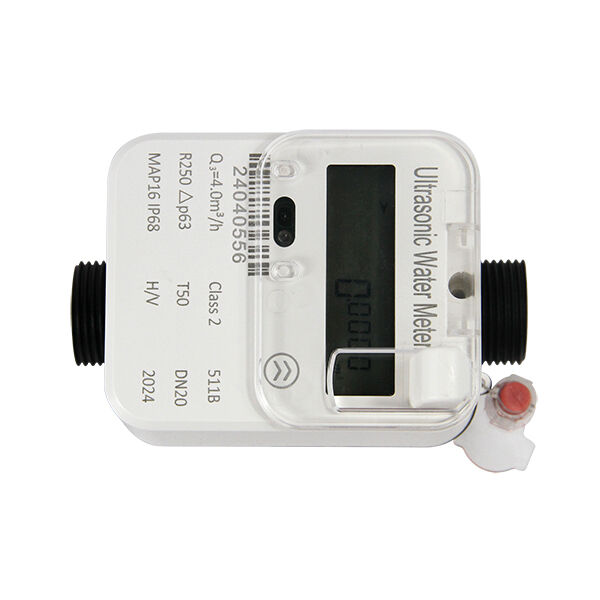
התקנת מדדי מים מבוססי LoRaWAN: תשתית הרשת הליבה
מיקומים אסטרטגיים לשערים ואופטימיזציה של הכיסוי העירוני כדי להבטיח קישוריות אמינה של מדדי מים מבוססי LoRaWAN
המקום שבו אנו מתקינים את שערות הכניסה האלה הוא מה שמהווה את כל ההבדל כאשר רוצים לקבל תוצאות טובות ממניירות המים של LoRaWAN בסביבות עירוניות. התקנתן בגובה רב על מבנים או מבנים שכבר שייכים לעיר היא האופציה הטובה ביותר. חישבו על עמודי החשמל הישנים שעומדים סביב, או אולי על גגות בניינים ציבוריים שבהם אף אחד לא ישים לב. לעיתים קרובות גם קופסאות רמזורים עובדות באופן מפתיע. הנקודה העיקרית היא שהגישה הזו נותנת השגה טובה יותר של הסיגנל ללא הוצאה כספית מוגזמת או התמודדות עם ערמות מסמך עצומות. והנה משהו מעניין – שער כניסה אחד, הממוקם כראוי, יכול לכסות מספר אזורים שונים בתוך עיר. ראינו מקרים בהם התקנה אחת טיפלה בשכונות מגורים, באזורי מסחר ובפארקים תעשייתיים בו זמנית.
| תרחיש פריסה | רדיוס הכיסוי | קיבולת בניינים |
|---|---|---|
| בנייני מגורות | 300 מ' | מגדלים בעלי 15 קומות |
| אזורים פרבריים | 1.6 ק"מ | מתקנים של 50 אקר |
| אזורי תעשייה | 16 ק"מ (קו ראייה*) | מחסנים ומבנים |
*תנאי קו ראייה
השפעות קניון עירוני — הנגרמות מחזר, העקמה ובליעה של אותות מבטון, פלדה וזכוכית — עלולות לפגוע באיכות אותות LoRaWAN עד 30 דב. לכן, מיפוי חום של שדות רדיו (RF) בעזרת מערכות מידע גאוגרפי (GIS) הוא קריטי בשלב התכנון כדי לזהות ולסגור פערים בהשראה, ולדאוג לשיעור מסירת החבילות של ≥99% הנדרש לשמירה על תקינות נתוני מדידת המים לצורך חיוב.
הגדרת שרת רשת LoRaWAN (LNS): אינטגרציה של מכשירים, מדיניות אבטחה ונתיבי העברת נתונים מאובטחים למדדי מים
שרת רשת LoRaWAN (LNS) מהווה את הבסיס הפעולי והאבטחוני של כל רשת מדדי מים. לשם אינטגרציה масיבית ואבטחתית, מומלץ בחום להשתמש בפעולה מרוחקת (OTAA): היא יוצרת באופן דינמי מפתחות יישום (AppKeys) ומפתחות שרת רשת (NwSKeys) ייחודיים לכל מכשיר, ובכך מונעת העתקה או זיוף ברשתות גדולות. דרישות האבטחה העיקריות כוללות:
- הצפנת AES-128 מיושמת ברמת המכשיר כדי להגן על סודיות המטען
- תעבורה מוצפנת באמצעות TLS 1.2 ומעלה בין שערים למערכת LNS, ובין מערכת LNS למערכות הורדה
- בקרת גישה מבוססת תפקידים (RBAC) כדי לאכוף הפרדה מחמירה בין פעולות התועלת, המחלקה הטכנולוגית (IT) וממשקי צד שלישי
ניתוב הנתונים מתבסס על גשרי MQTT או HTTPS כדי לאפשר אינטגרציה עם מערכות SCADA, מערכות ניהול בניינים (BMS) או פלטפורמות אנליטיות בענן. תור הודעות ותאום דינמי של קצב העברת נתונים (ADR) מבטיחים אובדן נתונים של פחות מ-2% — גם בעת חיבורים בלתי רציפים — ושומרים על משך חיים של הסוללה ליותר מ-10 שנים, כפי שמצופה ממניית מים מסוג Class C.
אינטגרציה לעיר חכמה: אפשרון רשתות מניית מים מבוססות LoRaWAN רב-יישומיות ורב-משתמשיות
ארכיטקטורת תשתיות משותפות: שילוב מניית מים מבוססת LoRaWAN עם חיישני הצפה, מערכות ניהול פסולת ומערכות תאורה עירונית
התכנון של LoRaWAN עם טווח ארוך וצריכת חשמל נמוכה הופך אותו למתאים במיוחד למבנה תשתית עירונית חכמה מאוחדת. מדדי המים משתפים את אותם שערים פיזיים ואת אותה ערימת רשת עם חיישני הצפה, מוניטורים לרמה המלאה של אספלי זבל ומנורות רחוב חכמות—מה שמביא להפחתת הוצאות ההון ולצמצום זמן הפעלה. סינרגיות מפתח כוללות:
- חיישני הצפה מזהים חריגות בלחץ שקשורים לפיצוץ צינורות—מה שמייצר התראות אוטומטיות ומשווה בין הנתונים לחריגות בשיעור הזרימה במדדי המים הסמוכים לצורך אימות מהיר.
- נתוני רמת המילוי באספלי הזבל משותפים בזיהוי רוחב הפס ובקישורי החזרה לאחור (backhaul), מה שמגביר את יעילות הלוגיסטיקה לאיסוף ללא צורך בהתקנת ציוד ייחודי.
- עמודי המנורות ברחוב מספקים נקודות התקנה מוקדמות, מורשות מראש ומחוברות לחשמל לשערים רב-תכליתיים—מה שמקטין את עלויות התקנת השערים ב־~40% לעומת התקנות עצמאיות.
ההתמזגות הזו ממירה את נתוני המים לשכבה יסודית של אינטליגנציה עירונית: מגמות צריכה בזמן אמת מחדדות את תוכניות התגובה למחסור במים, בעוד שזיהוי דליפות מספק מידע לפרוטוקולי מניעת שיטפונות בשכונות הסמוכות.
מודלים עירוניים של רשתות מרובה مستאגרים: הפרדת נתוני השירותים הירוקים תוך מקסימיזציה של תשואת ההשקעה (ROI) במעברי הרשת
ערים חכמות מודרניות אומצות רשתות LoRaWAN מרובה مستאגרים — שבהן חברות מים, מחלקות תחבורה, סוכנויות סביבתיות ואפילו ספקים פרטיים של שירותים פועלים על גבי תשתית פיזית משותפת, תחת רשתות וירטואליות מבודדות לוגית. במודל זה:
- לכל مستأجر מוענקות זרמי נתונים מוצפנים מקצה לקצה באמצעות שרתים ייעודיים לאפליקציות וערוצים וירטואליים (למשל, אפליקציות LoRaWAN נפרדות בתוך מערכת ה-LNS)
- הניצול של מעברי הרשת עולה באופן עקבי על 80%, מה שמשפר את היעילות הספקטרלית ומצדיק את ההשקעה בתשתיות
- עלות התשתיות לכל مستأجر יורדת עד 60% בהשוואה להצבות מבודדות
חברות מים נהנות מהניצול מעבר למדידת צריכה: נתונים מוצפנים ובעלי נאמנות גבוהה על צריכת המים תומכים בחישוב חיובים מדויקים ודיווחים רגולטוריים, בעוד שהקיבולת הנותרת של השערת הגישה הופכת לנכס עירוני שמתאפשר לממן – ויוצרת הכנסות חוזרות דרך הסכמי רמת שירות עם מחלקות אחרות או ספקים מאושרות של אינטרנט החפצים (IoT).
ערך תפעולי: שימור מיים, זיהוי דליפות וניהול חברות מים באמצעות מדדי מים מבוססי LoRaWAN
מדדי מים מבוססי LoRaWAN מספקים השפעה תפעולית מדידה בשלושה תחומים תלויי-התקשרות: שימור מיים, הפחתת דליפות ומודרניזציה של חברות המים.
גילוי דליפה זהו גורם ההחזר על ההשקעה (ROI) המיידי ביותר: קריאות זרימה ברזולוציה גבוהה ובמרווחי זמן קצרים משעתיים מאפשרות זיהוי של דפוסי צריכה חריגים בדיוק של 15 מטר. זה מאפשר שליחת צוותים ממוקדים – ומקצר את זמן התיקון הממוצע מימים לשעות, ומצמצם את אובדן המים שאינם יוצרים הכנסות (NRW) ב-15–30% בהטלות שדה מאושרות.
תוצאות שימור להמשיך ישירות: נתוני שימוש מפורטים מעניקים לצרכנים עוצמה דרך שערים באינטרנט וניסויי תעריפי שכבות — מה שמפגין הפחתה ממוצעת של הביקוש ב-12–18% בערים שאמצו את הטכנולוגיה כבר בשלב מוקדם. חברות החשמל והמים זוכות גם בכלים דינמיים כגון בקרת שסתומים מרחוק, המאפשרת חלוקה מדויקת של המים בעת בצורת או כשלים בתשתיות, ללא התערבות ידנית.
כשמדובר בביצוע משימות טוב יותר בכל החברה, קריאת מדידות אוטומטית יוצרת הבדל ממשי. היא מבטלת את כל הקריאות הידניות ומחסכת כסף על עלויות עבודה, ובמקביל מפחיתה באופן דרמטי טעויות בחיובים – אולי בכ-98 או 99 אחוז. אם נוסיף לכך אנליטיקה חיזויית יחד עם שילוב של מערכת SCADA, לפתע אנו מדברים על חסכונות משמעותיים. עלויות הפעלה כוללות יורדות בכ-25% כאשר חברות מיישמות פתרונות אלו. גם אמינות השירות עולה בצורה ניכרת. מחקרים מראים שיפורים בתחומים כגון מהירות הפתרון של בעיות, שלמות רשומות הנתונים שלנו וטיפול כללי בהשבות עלו בכ-40%. איגוד המים האמריקאי (AWWA) תיעד מגמה זו, כמו גם יוזמות שונות של מים חכמים אשר עוקבות אחר תקני ה-ISO למדידת ביצועים.
השילוב של ניטור צריכה בזמן אמת ואנליזת דליפות חיזויית סוגר את החוג בין לכידת נתונים להחלטות יעילות בתחום התשתיות — ומשנה השקעה בתשתיות לחיסכון מתמשך במשאבים, בחסכונות כלתיים וביציבות.
שאלות נפוצות
מהי היתרון העיקרי בהצבת שערים של LoRaWAN על תשתית קיימת של העיר?
הצבת שערים של LoRaWAN על תשתית קיימת של העיר, כגון עמודי חשמל ומרפסות בניינים, מבטיחה השפעה טובה יותר של האות ומחסכת בעלויות, מאחר שאין צורך בבנייה חדשה או בהליך מסורבל של אישורים.
איך יכול LoRaWAN לסייע ביוזמות עיר ذكية?
היכולת של LoRaWAN לפעול בטווח ארוך ובצריכת ספק נמוכה הופכת אותו לאידיאלי לאיחוד יישומים עירוניים חכמים שונים — כגון מדדי מים, חיישני הצפה ומערכות ניהול פסולת — לתשתית מאוחדת, ובכך מקטינה עלויות ומשפרת את היעילות הפעולה.
אילו אמצעי אבטחה מומלצים לרשתות LoRaWAN?
אמצעי האבטחה המומלצים כוללים הצפנת AES-128 ברמת ההתקן, TLS 1.2+ עבור העברת נתונים מוצפנים, ופקולטים מבוססי תפקידים לניהול פעולות התועלת באופן מאובטח.
איך חברות מים מפיקות תועלת מרשתות LoRaWAN רב-משתמשיות?
רשתות LoRaWAN רב-משתמשיות מאפשרות לחברות מים לשתף עלויות תשתיות תוך כדי סיפוק זרמי נתונים מוצפנים. זה מביא לחיסכון בעלויות, לחיובים מדויקים ולהכנסות נוספות דרך הסכמים לשירותים עם מחלקות עירוניות אחרות.