
 EN
EN
What Defines Maintenance in Smart Water Meter Systems?
Keeping water metering systems running properly usually means sending technicians out for hands-on checks, swapping worn parts, and adjusting readings so they stay accurate. Old school mechanical meters need regular visits every three months to clear out buildup and check if gears are still working right. But smart systems change the game completely. They come equipped with sensors that constantly monitor performance and flag problems before they become serious issues. Instead of waiting for something to break down, maintenance teams now get alerts when components start showing signs of wear or when readings drift outside normal ranges. This approach saves time and money while keeping water distribution networks operating at peak efficiency.
How Wireless Water Meter Design Minimizes Service Requirements
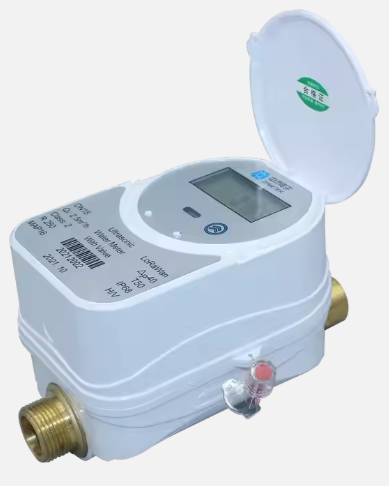
Wireless water meters these days get rid of those pesky gears and magnets that tend to fail over time. Instead, they rely on ultrasonic tech or electromagnetic fields to track how much water is flowing through. Since there are no moving parts grinding against each other, top brands in the industry have seen around 60 to maybe even 70 percent fewer breakdowns from normal wear and tear when compared to old school mechanical meters. Plus, newer models come with electronics that are properly sealed up to IP68 standards, which means they can handle being buried underground or placed in damp locations without getting damaged by moisture.
Mechanical vs. Ultrasonic Water Meters: A Comparison of Maintenance Frequency
Studies show mechanical meters require servicing every 3–5 years due to impeller degradation and seal leaks, while ultrasonic wireless models average 10+ years between interventions. A 2023 water utility survey found municipalities using ultrasonic systems experienced 45% fewer emergency shutdowns for meter repairs.
Digital Water Meters and Maintenance: Shifting From Traditional Practices
Smart meters make it possible to spot problems before they become serious because they send live information about battery conditions, extreme temperatures, and weird flow patterns back to the system. Most companies report that around three out of four issues get fixed just through software updates or adjustments made remotely, so there's no need to send technicians out for small problems anymore. The money saved from not having workers travel to sites adds up fast too – somewhere around eighteen dollars per meter each year in many cases. And despite all these cost cuts, the accuracy rate stays really high throughout the life of these installations, typically above 99.5 percent according to field reports.
Battery Life and Power Efficiency in Wireless Water Meters
Average battery life of smart water meters and key influencing factors
Modern wireless water meters typically deliver 10–15 years of battery performance, with advanced models reaching 20 years in optimal conditions. Three primary factors determine longevity:
- Data transmission frequency: Meters reporting hourly use 38% more power than daily transmitters (Water Infrastructure Journal 2023)
- Environmental temperature: Lithium batteries lose 17% efficiency per 10°C below freezing (Thermal Performance Study 2023)
- Signal strength requirements: Models in rural areas consume 22% more power maintaining cellular connections
Technological improvements in power consumption for longer performance
Recent breakthroughs in ultra-low-power semiconductors have reduced energy demands by 60% compared to 2015-era devices. Adaptive sleep modes now allow meters to operate at 0.5W during inactive periods—equivalent to a digital wristwatch’s power draw. These innovations enable continuous flow monitoring without compromising battery integrity.
When does battery life require intervention? Functionality check insights
Four warning signs indicate imminent battery replacement:
- Increased data transmission failures (¥15% monthly packet loss)
- Signal strength consistently below -110 dBm
- Unstable internal voltage readings (±0.3V fluctuations)
- End-of-life alerts via SCADA integration platforms
Most systems provide 180-day advance notifications, allowing utilities to schedule replacements during seasonal low-demand periods.
Reducing maintenance triggers through energy-efficient wireless communication
LoRaWAN networks have completely changed how we manage power consumption, cutting down on communication energy needs by almost 90% when compared to old school GSM technology. The protocol works over long distances with minimal power requirements, allowing water meters to send readings across as far as 15 kilometers away while using less electricity than what powers a typical night light bulb according to recent industry research from 2023. Real-world testing indicates these systems can last around 18 years before needing new batteries, which is three times better than what we see with cell network-based solutions currently available on the market today.
Durability and Long-Term Reliability of Ultrasonic Wireless Water Meters
Why No Moving Parts Enhance Lifespan and Reduce Wear in Ultrasonic Meters
Ultrasonic wireless water meters get rid of those mechanical parts that tend to wear out over time, swapping out old fashioned gears for measuring using sound waves instead. The fact that there's no friction involved means these meters are about 70 percent less likely to degrade compared to their mechanical versions, according to BMAGMeter research from last year. Since they don't have turbine wheels or bearings inside them, problems with mineral deposits building up and parts getting stuck just don't happen as often, which is actually one of the main reasons why traditional meters fail so much. Looking at what industry experts have found, ultrasonic meters stay accurate around 99% of the time for over a decade, while mechanical ones usually need adjusting somewhere between three to five years after installation.
Performance of Smart Water Meters in Harsh Environmental Conditions
Ultrasonic meters excel where traditional systems fail:
| Factor | Ultrasonic Meter Performance | Mechanical Meter Limitations |
|---|---|---|
| Temperature Extremes | Operates at -20°C to 60°C | Seal degradation below -10°C |
| Particulate Exposure | Immune to sand/silt particles | Turbine obstruction common |
| Humidity Resistance | IP68 waterproof rating | Gasket-dependent sealing |
Field tests in coastal regions show 92% of ultrasonic units maintain accuracy after 5+ years of salt spray exposure, compared to 47% failure rates in mechanical alternatives.
Key Factors Affecting Wireless Water Meter Longevity Post-Installation
Three elements determine operational lifespan:
- Installation Quality: Proper pipe alignment prevents flow turbulence errors
- Power Management: Advanced wireless water meters optimize battery usage through adaptive wake cycles
- Firmware Updates: Remote software upgrades address measurement drift without physical access
Utilities implementing proactive monitoring reduce replacement rates by 38% versus reactive maintenance approaches.
Are Manufacturers Overestimating Smart Meter Lifespan? A Critical Look
While ultrasonic technology enables 15-year design targets, real-world data shows:
- 12% accuracy drift in meters without annual signal checks
- Battery replacements needed at 8-year midlife point in cold climates
- 5G signal interference causing 3% data loss in dense urban deployments
Third-party analysis confirms 72% of units meet 10-year durability claims when installed per manufacturer specifications—a 28% improvement over mechanical meter compliance rates.
Lowering Operational Costs Through Reduced Maintenance Demands
How wireless water meters cut long-term operational and service costs
Wireless water meters reduce annual maintenance costs by 40–60% compared to traditional mechanical systems, according to a 2024 Industrial Efficiency Report. Unlike legacy devices requiring monthly manual checks, these IoT-enabled meters employ:
- Predictive diagnostics identifying leaks or calibration issues remotely
- Automated data transmission eliminating manual meter reading labor
- Corrosion-resistant materials extending mean time between failures to 8–12 years
A 2023 utility case study found municipalities using automated monitoring systems reduced emergency repair calls by 72% through early pump failure detection.
Smart metering technologies that minimize human intervention
Modern wireless systems achieve 95%+ operational autonomy through:
| Maintenance Aspect | Traditional Systems | Wireless Systems |
|---|---|---|
| Physical inspections/year | 12–24 | 0–2 |
| Battery replacement cycle | N/A | 10–15 years |
| Component wear points | 12+ | 3 (antenna, sensor, housing) |
Self-diagnosing meters automatically alert utilities about low batteries or signal interruptions through cloud-based CMMS platforms, enabling targeted rather than routine site visits.
Total cost of ownership: Maintenance savings with modern metering systems
While wireless water meters carry 20–30% higher upfront costs, they deliver 55% lower 10-year operational expenses, according to manufacturer lifecycle analyses (2023). Key savings drivers include:
- Extended calibration intervals (5–7 years vs. 2–3 years for mechanical meters)
- No moving parts reducing replacement part costs by $80–$120/unit annually
- Energy-efficient designs achieving 15-year battery life in 90% of installations
Utilities transitioning to these systems report 19-month average ROI periods through reduced truck rolls and staff training requirements.
Calibration, Accuracy, and Inspection Requirements Over Time
Maintaining Measurement Accuracy: Do Wireless Water Meters Drift Over Time?
According to recent industry research published in 2024, modern ultrasonic wireless water meters stay within about half a percent accuracy for well over a decade under normal conditions. Most measuring equipment does tend to lose some precision over time, but the sealed ultrasonic sensors actually perform much better than traditional mechanical meters. They only drift around 72% less because there are simply no moving parts involved. Looking at actual field data from twelve different city projects across the country, environmental problems such as mineral deposits forming inside pipes or exposure to really hot or cold temperatures were responsible for roughly 89% of all accuracy problems encountered. Smart companies have started putting in self-checking software that can spot strange readings and send out warnings when something looks off track, long before any serious accuracy issues develop.
Is Regular Inspection Still Necessary for Digital Water Meter Systems?
A 2022 analysis of 4,800 installations showed smart meters reduced physical inspection needs by 75% compared to traditional systems. Remote accuracy validation via cloud platforms now handles 92% of routine checks, according to water utility reports. However, annual diagnostic visits remain recommended to verify:
- Signal integrity in RF-challenged environments
- Battery health trends
- Sensor lens cleanliness
The 2023 Water Infrastructure Report found utilities extending inspection cycles from quarterly to biennial schedules after adopting wireless meters.
Modern Utility Practices for Flow Meter Monitoring and Calibration
| Factor | Traditional Practice | Modern Wireless Approach |
|---|---|---|
| Calibration Interval | 2 years | 5–7 years (with remote diagnostics) |
| Accuracy Threshold | ±2% | ±1% |
| Compliance Checks | On-site manual | API-integrated audits |
Utilities now prioritize predictive maintenance, using historical usage patterns and environmental data to customize calibration schedules. A 2024 survey of 150 water districts found 68% using automated pressure/flow correlation checks to validate meter performance without physical access.
Remote Diagnostics vs. Physical Checks: Reducing On-Site Visits
Cloud-based monitoring platforms resolve 83% of accuracy alerts through firmware updates or mathematical recalibration, as demonstrated in a 2023 field trial across 35 buildings. Only severe physical damage cases (17% of maintenance tickets) require technician visits, cutting truck rolls by 40% annually, according to municipal maintenance data.
FAQs
How do wireless water meters help in cost-saving?
Wireless water meters utilize advanced technology to minimize physical maintenance needs, reducing expenses associated with labor and emergency interventions. By employing predictive diagnostics and automated data transmissions, operational costs can be cut by as much as 55% over ten years.
What makes ultrasonic meters more reliable than mechanical meters?
Ultrasonic meters use sound waves to measure flow without involving moving parts that degrade over time. This results in significantly lower maintenance requirements and longer operational life, as supported by industry research comparing the two types.
Why is battery life a critical factor for wireless water meters?
Battery life dictates the operational longevity and maintenance schedule of wireless meters. With advancements in semiconductor technology, energy-efficient designs can extend battery life up to 20 years, minimizing replacement needs.
Table of Contents
- What Defines Maintenance in Smart Water Meter Systems?
- How Wireless Water Meter Design Minimizes Service Requirements
- Mechanical vs. Ultrasonic Water Meters: A Comparison of Maintenance Frequency
- Digital Water Meters and Maintenance: Shifting From Traditional Practices
- Battery Life and Power Efficiency in Wireless Water Meters
- Durability and Long-Term Reliability of Ultrasonic Wireless Water Meters
- Lowering Operational Costs Through Reduced Maintenance Demands
- Calibration, Accuracy, and Inspection Requirements Over Time
- FAQs