
 EN
EN
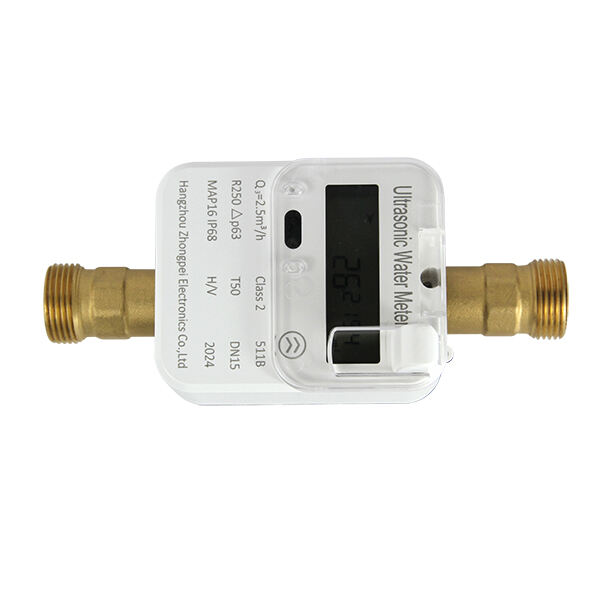
Real-Time Monitoring: How Smart Water Meters Enable Early Leak Detection
The NRW Challenge: Quantifying leakage losses in aging infrastructure
Old water pipes are causing massive problems with Non-Revenue Water (NRW) around the world. According to AWWA data, water companies actually lose between 20 and 30 percent of their treated water because of leaks. That's not just money down the drain but also puts extra pressure on operations, particularly in areas where the pipeline network hasn't been updated in generations. The tiny cracks and slow drips in these aging systems tend to slip past regular monthly meter checks completely unnoticed. Smart water meters change this equation by constantly tracking usage patterns and creating reliable benchmarks for normal consumption levels. When these devices spot anything out of the ordinary in water flow rates, they help catch those hidden issues long before they turn into catastrophic pipe bursts that shut down entire neighborhoods.
Granular data advantage: Detecting anomalies at sub-hourly intervals below traditional threshold limits
Traditional water meters only track usage once a month, but smart meters collect flow information every 15 to 60 minutes. This frequent monitoring actually uncovers leaks that would otherwise go unnoticed because standard monthly readings average out these subtle issues over time. With such detailed tracking, even tiny problems around 0.5 gallons per minute can be spotted early on. Most old fashioned leak checks miss anything under 5 to 10 gallons per minute entirely. What makes smart meters really valuable is their ability to spot unusual patterns through constant data collection. For instance, they can detect when water keeps flowing at night when nobody should be using it. This kind of insight changes how we approach leaks completely, moving away from fixing problems after they cause damage toward stopping them before they become serious issues.
| Detection Method | Traditional Systems | Smart Meter Systems |
|---|---|---|
| Measurement Frequency | Monthly readings | 15–60 minute intervals |
| Minimum Leak Detection Threshold | 5–10 gallons/minute | 0.5 gallons/minute |
| Pattern Recognition | Manual investigation | Automated anomaly alerts |
This granularity allows utilities to identify persistent small leaks accounting for 15–25% of NRW losses previously dismissed as “background leakage” under International Water Association benchmarks.
Accelerated Response: From Alert to Repair with Remote Monitoring and Automation
Smart water meters transform leakage management by shifting utilities from reactive repairs to proactive interventions. Continuous flow monitoring identifies subtle consumption pattern deviations—such as persistent nighttime flows in residential zones—signaling potential leaks well below traditional detection thresholds.
Predictive maintenance: Using consumption pattern deviations to trigger proactive interventions
Smart systems look at meter readings and spot strange patterns that might mean pipes are about to fail long before anyone actually sees anything wrong. Take a business with normally steady water usage all of sudden seeing a 15% jump without any obvious reason. That kind of thing sets off alarms so workers can check out what's going on right away instead of waiting for something bad to happen. The savings from catching problems early? Some research suggests around 30% less spent fixing things compared to just doing regular maintenance checks every so often. Makes sense when thinking about it this way though doesn't it?
Workflow integration: Linking smart water meter alerts to GIS and CMMS for automated dispatch
Meters pick up on serious issues such as long-lasting pressure drops or strange flow patterns and send alerts straight to central systems connected to GIS maps and CMMS software. Techs in the field get their work orders complete with exact locations, past usage data, and diagnostic info which cuts down on figuring out what's wrong by around two thirds and gets fixes done much faster. The whole automated system means fewer people need to be involved directly, so most leaks get fixed in just a few hours instead of stretching out over several days like they used to.
DMA-Level Water Balance Optimization Powered by Smart Water Meter Data
When water networks are divided into District Metered Areas (DMAs), it gives utility companies a way to check what's coming in versus what's actually being used based on those smart meters we've been installing everywhere lately. What happens next is pretty cool - any difference between these numbers basically tells us exactly how much water is leaking somewhere. Take Osimo in Italy for instance. They implemented this system and saw their water losses drop by around 12.5%, which amounts to saving about 5,558 cubic meters every year according to research published in Sustainable Cities and Society back in 2022. Once they establish normal usage patterns for each DMA area, even tiny leaks become noticeable, sometimes down to just half a liter per minute, something traditional methods simply miss. And here's another benefit: when utilities monitor pressure and flow rates in real-time across all these zones, they can adjust pressures dynamically. This helps avoid excessive strain on pipes, which causes roughly 23% of all leaks according to industry standards. With such detailed information coming from those smart meters, DMAs stop being mere geographical divisions and start acting like actual diagnostic instruments. Suddenly, what was once just a map gets turned into real solutions for conserving our precious water resources.
Proven Impact: Case Evidence of Leakage Reduction with Smart Water Meters
Thames Water London pilot: 14% background leakage reduction via hourly analytics
A pilot project run by Thames Water in London showed just what happens when we look at water usage data much more frequently than usual. Instead of waiting for those standard monthly readings, they checked consumption every single hour. This approach caught small leaks that were flowing less than half a liter per minute but added up to serious water waste over time. When the system spotted these issues, maintenance teams got alerts right away and could fix them within two days instead of the normal week or ten days it typically takes. Across about 12 thousand homes, this method cut down on background water loss by around 14%. What this proves is that having detailed information from smart meters changes everything from simply watching what's happening to actually stopping problems before they get too bad.
Glasgow City Council: 22% NRW reduction over three years through phased smart meter rollout
Over the course of three years, Glasgow City Council managed to bring down their non-revenue water losses by around 22%, thanks to a smart meter installation plan that focused first on areas with the biggest problems. They started by putting meters in neighborhoods known for old pipe systems, and what they found was startling - these areas had leak rates nearly 35% above what was normal across the whole city. Technicians were able to find hidden underground leaks that traditional listening devices simply couldn't detect by looking at how water flowed through the system alongside pressure readings from sensors placed throughout the network. The results speak for themselves: fixing these issues saved the council about £180k each year on repairs, and brought back an impressive 3.2 million liters of water every single day. That's enough to keep 7,500 homes supplied with clean water. What makes this even more interesting is how they combined their new smart meter network with existing hydraulic modeling software, creating something other cities could potentially copy if they wanted to tackle similar water loss challenges.
Frequently Asked Questions
What is Non-Revenue Water (NRW)?
Non-Revenue Water (NRW) refers to water that has been produced and is lost before it reaches the customer, largely due to leaks, theft, or meter inaccuracies.
How do smart water meters help in leak detection?
Smart water meters offer real-time monitoring of water usage, collecting flow data every 15 to 60 minutes to catch anomalies and leaks early by identifying deviations in normal consumption patterns.
What are the benefits of District Metered Areas (DMAs)?
DMAs allow utilities to isolate different sections of the water network for detailed analysis, enabling precise monitoring and optimization of water balance, helping reduce leakages and manage pressure dynamically.
Can smart water meters really help save costs?
Yes, by detecting leaks earlier and optimizing repairs, smart water meters can significantly reduce maintenance costs and prevent water wastage, resulting in savings for utility companies.
Table of Contents
- Real-Time Monitoring: How Smart Water Meters Enable Early Leak Detection
- Accelerated Response: From Alert to Repair with Remote Monitoring and Automation
- DMA-Level Water Balance Optimization Powered by Smart Water Meter Data
- Proven Impact: Case Evidence of Leakage Reduction with Smart Water Meters
- Frequently Asked Questions