
 EN
EN
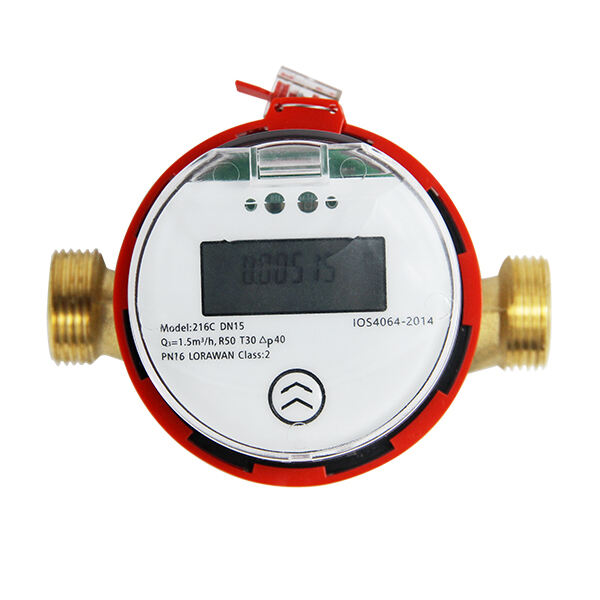
Heat Meter Types and Their Fit for Central Heating Applications
Mechanical vs. Ultrasonic Heat Meters: Accuracy, Maintenance, and Lifespan in Residential Systems
The mechanical heat meters we commonly see in homes work by spinning impellers to track water flow through pipes, which makes them pretty affordable for standard central heating systems. But there's a catch - these devices usually fall into Class 3 accuracy range (around plus or minus 3 to 5%) according to EN 1434 standards, and they tend to get less reliable as time goes on because of all the grit that builds up inside. On the other hand, ultrasonic meters take a completely different approach. They basically listen to the sound waves bouncing off moving water to figure out flow speed without any moving components whatsoever. What this means is better precision around 1 to 2% accuracy even when water is trickling through slowly, way less need for maintenance cutting it down by about 70%, and most importantly, they last much longer than 15 years in buildings with multiple apartments. Since property managers don't have to mess around with calibrations so often, billing stays accurate and residents aren't constantly dealing with service interruptions, which explains why more apartment complexes are switching to ultrasonic technology nowadays.
When Electromagnetic or Clamp-On Designs Make Sense for District Heating Networks
In big district heating systems, electromagnetic heat meters really shine when dealing with those tricky situations involving turbulent flows or changing fluid conductivity levels. These meters work by detecting the voltage created as fluids pass through them, giving pretty good Class 2 accuracy around ±2%, even when temperatures swing wildly from one end of the network to another. This kind of reliability matters a lot for areas with lots of businesses and factories needing consistent heat supply. Then there are these clamp-on ultrasonic meters that let engineers install new measurement tech without cutting into pipes or making structural changes. They stick sensors onto the outside of pipes and figure out how much energy is moving through. Municipalities with older infrastructure find this super helpful. Some city workers have mentioned installation times drop by about 40% compared to traditional methods that require boring holes in pipes. Plus, these setups still meet all the local rules about proper thermal metering standards, which saves everyone from headaches during inspections.
Key Performance Criteria for Reliable Heat Metering
Accuracy Class (EN 1434) and Real-World Suitability: Why Class 3 Often Outperforms Class 2 in Multi-Apartment Buildings
Many people think that higher accuracy ratings automatically mean better performance at home, but that's not always true. Take water meters for instance. Class 2 models claim around 2-3% accuracy in labs, while Class 3 ones are rated 3-5%. Surprisingly, Class 3 meters actually work better in old apartment buildings with central heating systems. The reason? These older systems have all sorts of issues with water flow and temperature changes. A study looking at district heating systems showed something interesting too. Ultrasonic Class 3 meters kept about 98.2% accuracy after five years in city networks, beating mechanical Class 2 meters which only hit 95.4%. Why? Because they aren't as bothered by dirt and particles floating around in the pipes. Plus, these Class 3 meters need fewer adjustments since they handle poor water conditions so well. Most installers find they last about 14 months longer between calibrations, even though their basic accuracy numbers look slightly worse on paper.
Flow Range, Pressure Loss, and Delta-T Stability: Operational Constraints That Impact Billing Fairness
Getting accurate energy measurements really depends on three hydraulic factors that most people tend to overlook: flow turndown ratio, pressure loss issues, and maintaining stable temperature differences (Î8;T). When meters don't have enough flow range capacity, say 1:50 instead of the better standard of 1:100, they start underreporting actual consumption especially when demand is low. This ends up costing end users money unfairly. If there's too much pressure loss over 0.6 bar in the system, it throws off the balance of flow throughout branched networks. And unstable Î8;T readings below 3K can lead to calculation errors going as high as 7%, according to EN 1434 Annex B standards. Take Hamburg for example where their district heating network saw a dramatic drop in billing complaints after they fixed these problems. The city handled around 4.5 terawatt hours annually and disputes fell by nearly 73%. Newer meter models come equipped with special temperature compensation features that help correct for thermal lag during sudden cold weather events. These adjustments keep things fair even when the system gets a bit chaotic from time to time.
Installation Context: Matching Heat Meter Solutions to System Architecture
Retrofitting Heat Meters in Existing Multi-Apartment Central Heating Systems
When adding heat meters to older central heating systems, there are physical limitations to work around plus the need to keep residents happy during installation. Many buildings from previous decades have pipes made of different materials mixed together (like old metal sections connected to newer plastic ones) and utility spaces so tight that getting equipment in is a challenge. For these situations, clamp-on ultrasonic meters tend to be the best bet since they don't require cutting into pipes. According to research published last year, roughly 4 out of 10 retrofit projects ran into material compatibility problems, which pushed installation costs up anywhere between 15% and 30% extra when walls or floors neededďě?˘. Look for meters equipped with wireless options like M-Bus or LoRaWAN technology if dealing with concrete structures where running wires would be impossible. After installation, calibration matters a lot too. The meter readings should match up with actual thermal loads across different seasons to avoid those pesky billing disagreements later on. When done right, these retrofits typically cut down annual energy usage somewhere between 12% and 18%, mainly because tenants start paying only for what they actually consume rather than splitting fixed charges.
New-Build Integration: Pre-Commissioning Considerations for Balanced Thermal Distribution
When designing new buildings, it makes sense to plan where to install heat meters right from the start of the HVAC system layout. Install them at pipe connections points before doing any pressure tests so measurements stay within 0.5% variance between units. For those tricky low flow situations below 0.6 cubic meters per hour that we see in today's lower temperature systems, go with electromagnetic meters rated to EN 1434 Class 2 standards. During the setup phase, run some tests under partial load conditions to check if the temperature difference remains stable since this directly affects how fair the billing will be. Hook these meters into the building's control system using standard protocols such as Modbus for immediate leak alerts. When everything is pre-set properly, installation teams can save around 35% on commissioning time and avoid having to spend extra money on recalibrations later on, which helps get better returns faster thanks to accurate tracking of thermal loads throughout the building.
FAQs on Heat Meters and Central Heating Systems
What are the main types of heat meters used in central heating systems?
The main types of heat meters are mechanical, ultrasonic, electromagnetic, and clamp-on meters. Mechanical meters are common in residential systems, while ultrasonic and electromagnetic meters are preferred for their accuracy and low maintenance needs.
Why are ultrasonic meters becoming popular in multi-apartment buildings?
Ultrasonic meters offer better precision, require less maintenance, and have a longer lifespan, which reduces service interruptions and ensures accurate billing in multi-apartment buildings.
What are the benefits of using clamp-on meters in existing heating systems?
Clamp-on meters are beneficial because they can be installed without cutting into pipes, making them ideal for retrofitting in buildings with mixed pipe materials and tight spaces.
How do electromagnetic meters perform in district heating networks?
Electromagnetic meters are effective in district heating networks due to their ability to handle turbulent flows and varying fluid conductivity, offering reliable Class 2 accuracy.
What factors impact the accuracy of heat meters in real-world conditions?
Factors such as flow range capacity, pressure loss, and stable temperature differences significantly influence the accuracy of heat meters in real-world applications.
Table of Contents
- Heat Meter Types and Their Fit for Central Heating Applications
- Key Performance Criteria for Reliable Heat Metering
- Installation Context: Matching Heat Meter Solutions to System Architecture
-
FAQs on Heat Meters and Central Heating Systems
- What are the main types of heat meters used in central heating systems?
- Why are ultrasonic meters becoming popular in multi-apartment buildings?
- What are the benefits of using clamp-on meters in existing heating systems?
- How do electromagnetic meters perform in district heating networks?
- What factors impact the accuracy of heat meters in real-world conditions?