
 EN
EN
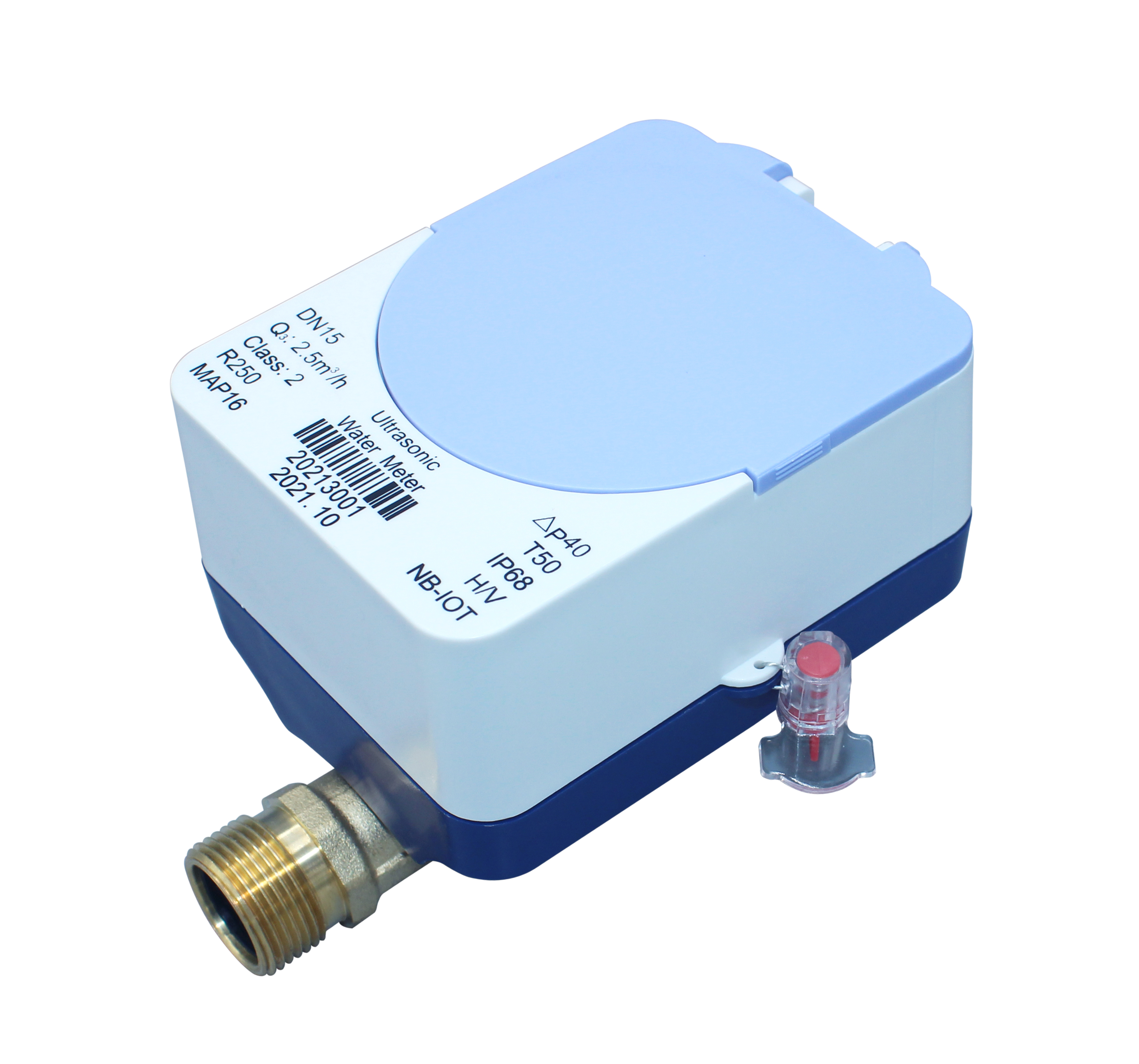
Understanding Smart Water Meters and Remote Monitoring Capabilities
What Is a Smart Water Meter and How Does It Enable Remote Reading?
Smart water meters are basically digital replacements for old fashioned mechanical ones. They track how much water gets used and send this info through wireless signals instead of waiting for someone to check manually. Manual readings tend to be off about 2.5% on average according to the National Utility Report from last year. That's where smart meters come in handy. These devices connect using things like cellular networks, LoRa technology, or NB-IoT protocols so they can automatically gather all that data without any human intervention needed. Most modern systems actually update their readings every 15 seconds sending details about water flow and even alerting when there might be leaks detected. This means no more sending workers out to inspect pipes physically, which saves time and money while making sure we get much more accurate measurements overall.
Core Functions: Real-Time Data Collection and Automated Meter Reading
Smart meters offer superior performance in key operational areas:
| Function | Traditional Meter | Smart Meter |
|---|---|---|
| Accuracy | ±2.5% | ±0.1% |
| Data Frequency | Monthly manual reads | 15-minute intervals |
| Leak Detection | Delayed alerts | Instant notifications |
By enabling automated readings, these systems reduce non-revenue water loss by up to 30% in municipal deployments. Real-time monitoring allows utilities to detect pipe bursts 80% faster than with manual methods, accelerating response and minimizing waste.
Integration with Advanced Metering Infrastructure (AMI) for Seamless Data Flow
Smart meters act as the frontline component in Advanced Metering Infrastructure (AMI) systems, constantly sending live usage information back to central analysis hubs. When connected properly, these devices give utility companies much better visibility into when energy demand spikes, spot potential meter tampering incidents, and automatically generate bills without manual intervention something that just wasn't possible with those old fashioned mechanical meters from decades past. The continuous stream of data coming through actually makes it easier for managers to make informed choices about grid operations and allows them to address infrastructure issues before they become major problems down the road.
The Role of Data Accuracy and Low Latency in Reliable Monitoring
Smart meters boast impressive specs with less than 1% measurement error rates and data that travels across networks in under five seconds. This kind of precision gives operators trustworthy information they can actually act on when managing water systems. When put into practice, these features cut down on how long it takes to respond to leaks by around 92%, according to the Global Water Efficiency Index from last year. That means less wasted water and fewer costly repairs to pipes and other infrastructure components. Getting accurate readings fast matters because it allows maintenance crews to fix problems before they become disasters. Cities that have implemented this technology report better overall system performance and significantly reduced emergency repair calls during peak usage periods.
Wireless Communication Technologies Powering Remote Data Transmission
Key Wireless Protocols: Cellular, Wi-Fi, LoRa, and LPWAN Compared
Smart water meters rely on four primary wireless technologies, each suited to specific deployment environments:
- Cellular networks (4G/5G) provide high-speed transmission (up to 100 Mbps) but require more power, making them ideal for urban areas with existing coverage.
- Wi-Fi supports short-range (<100 meters), high-bandwidth communication, suitable for dense residential or commercial clusters.
- LoRa (Long Range) enables low-power transmissions over 10+ kilometers, effective in rural or geographically dispersed installations.
- LPWAN technologies like NB-IoT balance extended range (5–15 km) with energy efficiency, supporting battery lifespans of 8–12 years—well aligned with low-duty-cycle monitoring needs.
RF Mesh, LoRaWAN, and Cellular Networks in Utility-Scale Deployments
For large-scale implementations, utilities favor three scalable architectures:
- RF Mesh networks form self-healing networks among meters, ensuring reliability in suburban environments.
- LoRaWAN gateways collect data from thousands of devices simultaneously, cutting infrastructure costs by 40% across wide service areas.
- Cellular IoT (Cat-M1/NB-IoT) leverages existing telecom infrastructure to support real-time updates, essential for rapid leak detection and remote diagnostics.
Studies show LoRaWAN reduces latency by 65% compared to conventional AMI systems, enhancing responsiveness in city-wide deployments.
Evaluating Bandwidth, Range, and Power Efficiency Across Protocols
| Metric | Cellular | Wi-Fi | LoRa | LPWAN |
|---|---|---|---|---|
| Bandwidth | 1-100Mbps | 50Mbps | 0.3-50kbps | 10-100kbps |
| Range | 1-10 km | <100m | 2-15km | 5-15km |
| Battery Life | 2-5 years | <1 year | 10+ years | 8-12 years |
LPWAN stands out for energy efficiency, consuming 70% less power than cellular modules for daily transmissions, making it optimal for long-term, remote monitoring applications.
Case Study: Municipal LoRaWAN Deployment for Scalable Water Monitoring
Copenhagen’s water utility deployed 85,000 LoRaWAN-enabled meters, achieving:
- 99.8% data collection accuracy (up from 92% with manual reads)
- Average leak detection time reduced from 14 days to 37 minutes
- Annual savings of $2.1 million from reduced truck rolls and labor
This success reflects a broader trend: 68% of utilities now prioritize hybrid networks combining AMI and LPWAN technologies for scalable, cost-effective water monitoring.
IoT Integration and Cloud Connectivity in Smart Water Metering
Smart water meters these days are getting pretty sophisticated with their internet connections and cloud based systems. They take all that basic water usage information and turn it into something actually useful for city planners and utility companies. The tech lets them keep tabs on how people are using water, spot weird spikes or drops in consumption, and get better control over where water is going across whole regions. According to research published last year from Korea's science ministry, cities that switched to these connected meters saw their running costs drop around 18 percent. Plus, the data they collected was super accurate too - hitting nearly 99.7% precision thanks to those automatic checks built into the system.
How IoT Enables End-to-End Connectivity from Meter to Central Platform
IoT sensors embedded in water meters capture flow rates, pressure levels, and usage trends, transmitting encrypted data via protocols such as LoRaWAN, NB-IoT, and cellular. These technologies balance long-range coverage (up to 15 km in rural settings) with low power demands.
| Protocol | Range | Daily Data Capacity | Power Efficiency |
|---|---|---|---|
| LoRaWAN | 10-15 km | 50-200 KB | 10+ years |
| NB-IoT | 3-5 km | 100-500 KB | 8-12 years |
| Cellular | 1-3 km | Unlimited | 3-5 years |
This end-to-end connectivity eliminates manual collection and provides utilities with minute-by-minute visibility into system performance.
Cloud-Based Systems for Remote Access, Storage, and Analytics
Cloud platforms aggregate data across entire meter networks, offering centralized dashboards for remote access and analysis. Advanced systems use machine learning to detect leaks 40% faster than rule-based thresholds. Utilities can:
- Store decades of historical usage data securely
- Generate customer-facing reports and alerts
- Predict maintenance needs using AI-driven pattern recognition
These capabilities improve operational agility and support data-driven planning.
Scalability of IoT-Driven Water Management Across Large Networks
Modular IoT architectures allow seamless scaling—from 500 meters in suburban zones to over 500,000 in major metropolitan areas. Edge computing nodes preprocess data locally, reducing bandwidth usage by 65% for large operators. This distributed approach ensures consistent performance whether monitoring high-density urban buildings or expansive agricultural regions.
Operational and Environmental Benefits of Remote Reading
Reducing Operational Costs Through Automation and Eliminating Manual Reads
According to a recent study on water infrastructure from 2023, smart water meters can cut down on operating costs by around 40% when compared with old fashioned manual readings. When utilities switch to automated data gathering, they free up their workers for jobs that actually matter while cutting back on those expensive fuel bills and wages spent on sending people out into the field. Take one city in Europe as an example - after installing these remote reading systems in about 10,000 homes, they managed to save roughly $326k every year. That kind of money adds up fast, especially for smaller communities trying to stretch their budgets further without compromising service quality.
Enhancing Customer Engagement with Real-Time Usage Insights
Customers gain access to hourly consumption data via utility portals, empowering informed decisions about water use. This transparency reduces billing disputes by 72% (American Water Works Association, 2022) and helps users identify unusual spikes linked to leaks or inefficient appliances.
Leak Detection and Water Conservation Enabled by Continuous Monitoring
Continuous flow monitoring detects persistent leaks 89% faster than quarterly manual checks, preventing an average of 1.2 million gallons of annual water loss per commercial property. Cities like Las Vegas have achieved a 14% reduction in per-capita water use since 2020—despite population growth—by leveraging smart metering for conservation.
Balancing Upfront Investment Against Long-Term Savings and Sustainability
While AMI network installation averages $180–$250 per household, most municipalities recover costs within 3–5 years through operational savings and reduced non-revenue water. A 2024 lifecycle analysis shows smart water networks cut carbon emissions by 31% by optimizing treatment loads and minimizing dispatch fleet activity.
Key Long-Term Impacts
- 15–22% lower NRW (non-revenue water) in systems with real-time analytics
- 38% faster leak resolution via automated alerts
- 28% reduction in customer complaints due to improved billing accuracy
(All statistics adjusted for inflation using 2024 USD equivalents)
FAQ
What are smart water meters?
Smart water meters are digital devices that replace traditional mechanical meters to measure and transmit water usage data wirelessly.
How do smart water meters benefit utility companies?
Smart water meters enhance data accuracy, enable real-time monitoring, improve leak detection, and help utilities manage water distribution more efficiently.
Which communication technologies are used in smart water meters?
Smart water meters commonly use wireless protocols like Cellular, Wi-Fi, LoRa, and LPWAN to transmit data over varying distances efficiently.
What is the role of IoT in smart water metering?
IoT integration allows smart water meters to deliver end-to-end connectivity and real-time data analysis, enhancing overall water management capabilities.
Table of Contents
- Understanding Smart Water Meters and Remote Monitoring Capabilities
- Wireless Communication Technologies Powering Remote Data Transmission
- Key Wireless Protocols: Cellular, Wi-Fi, LoRa, and LPWAN Compared
- RF Mesh, LoRaWAN, and Cellular Networks in Utility-Scale Deployments
- Evaluating Bandwidth, Range, and Power Efficiency Across Protocols
- Case Study: Municipal LoRaWAN Deployment for Scalable Water Monitoring
- IoT Integration and Cloud Connectivity in Smart Water Metering
- Operational and Environmental Benefits of Remote Reading
- FAQ