
 EN
EN
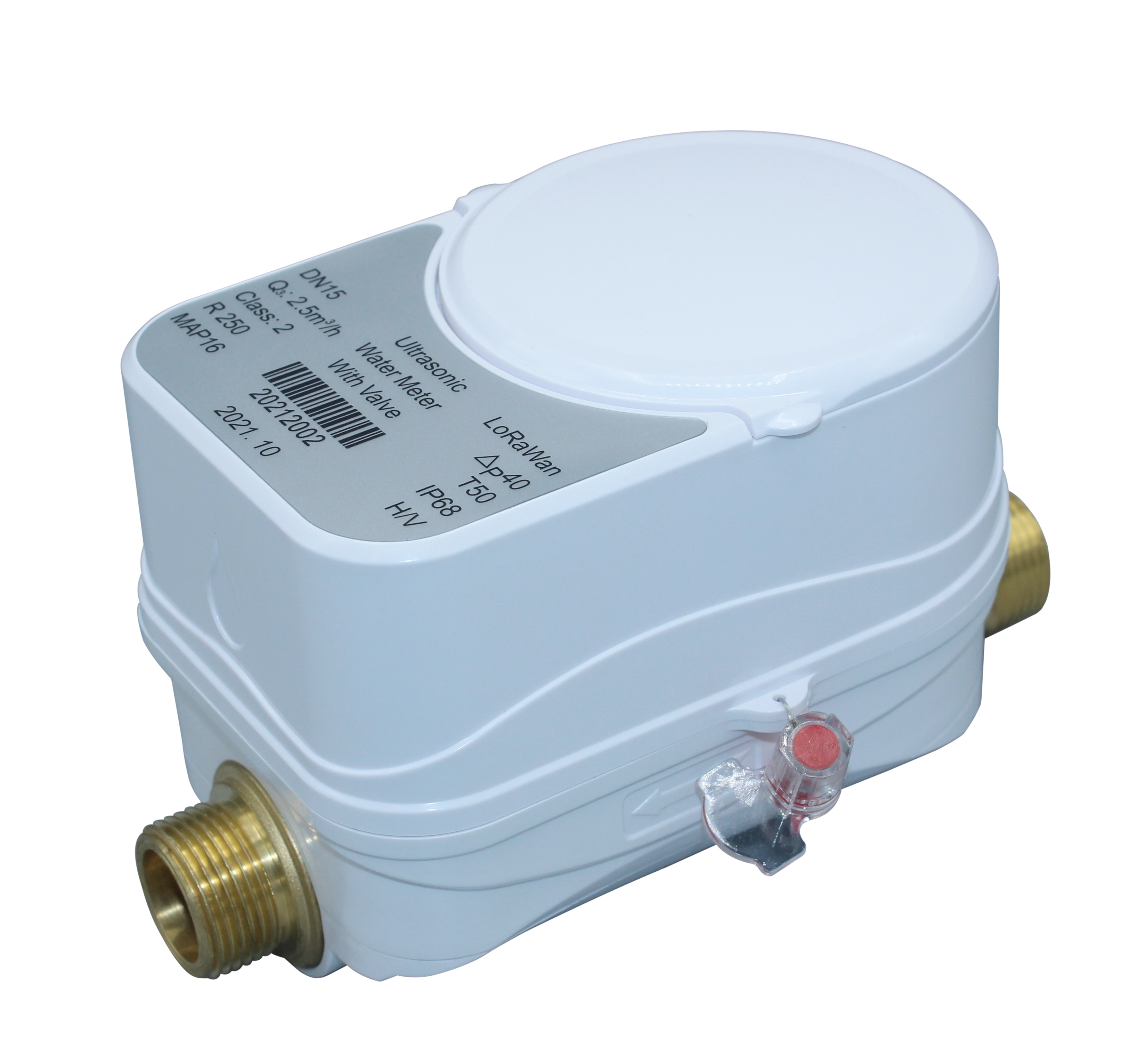
Real-Time Leak Detection and Automated Response
How Smart Water Meters with Valve Enable Real-Time Leak Detection and Rapid Mitigation
Newer water meters come with built-in valves that combine sound detection, flow measurement, and pressure checks to spot leaks almost instantly, usually within half a minute after they start. If something looks off, like water running constantly when nobody should be using it, these smart meters will shut down the valve on their own, stopping wasted water before pipes burst or floors flood. Research from the Water Infrastructure Institute last year showed some impressive results too. Their findings indicated that homes with these automatic valves saved about two thirds on fixing leaks versus older systems where people had to manually turn off taps once they noticed problems.
Reducing Property Damage and Non-Revenue Water Loss Through Early Leak Intervention
Unaddressed leaks waste over 1.7 trillion gallons of water annually in U.S. municipal systems (American Water Works Association 2023). By isolating leaks at the meter level within minutes, automated valve systems prevent structural damage to homes while conserving 22–35% of water lost through aging infrastructure.
Integration with Flood Sensors Enhances Urban Resilience Against Water Damage
When paired with basement moisture detectors or municipal flood gauges, valve-equipped meters create a layered defense system. During extreme weather events, interconnected sensors trigger preemptive shutoffs in flood-prone zones, minimizing widespread water damage across neighborhoods.
Case Study: Automated Shut-Off Reduces Repair Time During Pipeline Failures
A Midwest municipality retrofitted 12,000 homes with smart water meters featuring emergency valves. During a major water main rupture, 94% of affected meters self-isolated within 90 seconds, limiting service disruptions to just 38 households instead of over 1,200 downstream connections. Repair crews resolved the incident 4x faster due to the contained impact zone.
Balancing Automation Benefits with Risks of False Alarms and System Over-Reliance
While automated systems offer rapid response, utilities must implement safeguards:
- AI-powered anomaly verification to minimize false positives
-
Manual override protocols for maintenance or sensor malfunctions
Advanced machine learning models now achieve 98.1% accuracy in distinguishing real leaks from transient pressure changes (National Plumbing Standards Board 2024).
Remote Shut-Off for Enhanced Safety and Emergency Management
Improving Safety with Remote Valve Control During Emergencies
Water meters with built-in valves let utility companies and building managers cut off water supply quickly when there's a pipe break, fire emergency, or pollution warning. According to recent studies from Water Research Group back in 2023, this feature cuts down flood damage chances by around 60 percent over traditional methods. The real game changer comes when these meters work alongside flood detection sensors too. These sensors pick up strange water flow patterns in about half a minute, giving operators precious time to respond. Most big city water systems are starting to install these smart meters because they handle critical situations so much better. No need for workers to crawl into those damp meter pits anymore just to turn off a valve manually.
Minimizing Human Intervention and Exposure Through Automated Shut-Off Systems
Valve actuators that work automatically take away the necessity of sending staff into dangerous situations, something really important when there are chemical leaks, bad weather hits, or infrastructure breaks down. Factories and plants benefit from these systems since they cut down on worker exposure dangers around 70% of the time, thanks to constant monitoring through internet connected devices. According to research published somewhere around 2023 in Smart Water Journal, most systems only trigger wrong alerts under 2 percent of the time. The reason? They check things twice with two different sensors, which makes them pretty reliable overall for operations.
Protecting Households and Infrastructure with Responsive Valve-Equipped Water Meters
These meters provide a three-layer defense for residential and commercial properties:
- Immediate flow interruption during pressure surges exceeding 150 PSI
- Backflow prevention upon detection of cross-connection contamination
- Conservation mode activation during droughts to restrict non-essential usage
Coordinated regional shut-off protocols helped prevent $420 million in property damage during 2023 flood events.
Remote Demand Management During Peak Usage and Droughts
Water meters with integrated valves enable utilities to dynamically balance supply and demand during critical periods.
Enabling Water Rationing Through Smart Valves in High-Demand or Drought Periods
During droughts, utilities can enforce tiered allocations by automatically limiting flow rates to non-essential users. A 2022 California drought response pilot reduced residential consumption by 23% through staged restrictions, prioritizing essential facilities like hospitals and schools while preserving basic household needs.
Improving Utility Efficiency with Demand-Side Management and Load Balancing
Smart valves help shift consumption away from peak hours, reducing energy costs for water pumping by 18% (American Water Works Association 2023). Adjusting pressure during high-demand intervals prevents pipe stress and extends infrastructure lifespan.
Wireless Submetering Systems Support Automatic Leak Response and Usage Monitoring
Real-time data from networked meters triggers immediate valve closures when abnormal flow is detected. This integration reduced non-revenue water losses by 37% in a 12-month trial by the Phoenix Municipal Water District, while providing customers with hourly consumption dashboards for greater transparency.
System Optimization via Pressure Management and Data Insights
Extending pipeline lifespan with real-time pressure monitoring
Valve-equipped meters continuously monitor pressure, detecting fluctuations exceeding ±10 PSI—a key contributor to pipe fatigue. According to the 2024 Water Infrastructure Report, such systems reduce pipeline breaks by 40–65% compared to manual regulation, which is particularly vital given that 60% of water mains exceed 50 years old.
Using data-driven control to optimize water distribution networks
Advanced analytics convert pressure and flow data into actionable insights for pump optimization. Machine learning models process more than 250,000 hourly data points to:
- Automatically adjust pumping schedules during low-demand periods
- Identify underperforming segments needing rehabilitation
- Reduce energy consumption by 18–22% through intelligent load balancing
Enhancing customer service and operational transparency through usage analytics
Utilities using valve-integrated meters resolve 92% of billing disputes within 48 hours by providing timestamped consumption records. This transparency builds public trust and empowers consumers to modify their behavior—especially important in drought-prone areas facing usage restrictions.
Improved Measurement Accuracy and Revenue Protection
Ensuring fair billing and regulatory compliance with precise water metering
Modern valve-equipped meters achieve ±0.5% measurement accuracy using ultrasonic sensors and automated flow control, eliminating estimation errors responsible for $2.1 billion in annual utility revenue losses (AWWA 2023). These systems cross-check consumption against municipal billing codes and flag irregularities such as unauthorized usage or tampering.
Supporting resource planning and customer trust with accurate usage data
With 15-minute interval reporting, valve-equipped meters help 87% of utilities reduce peak demand forecasting errors by at least 22% (Journal of Water Resources 2022). Transparent customer portals enable users to verify their usage trends, allowing 74% of billing concerns to be resolved without direct utility involvement and reinforcing accountability in conservation efforts.
FAQ
What are smart water meters with valves?
Smart water meters with valves are advanced devices that include features like sound detection, flow measurement, and pressure checks, enabling rapid detection and response to water leaks.
How do smart water meters prevent property damage?
These meters can isolate leaks at the meter level within minutes to prevent structural damage to properties and conserve water by stopping leaks early.
Can smart water meters with valves reduce false alarms?
Yes, AI-powered anomaly verification helps minimize false positives, and manual override protocols can be used for maintenance or sensor issues.
How do remote valve controls improve safety during emergencies?
Remote valve controls allow utility companies to quickly shut off water supply during emergencies like pipe breaks or fire hazards, reducing potential damage.
Do smart water meters help during droughts?
Yes, these meters can enforce tiered allocations during droughts, reducing consumption by prioritizing essential facilities and preserving household needs.
Table of Contents
-
Real-Time Leak Detection and Automated Response
- How Smart Water Meters with Valve Enable Real-Time Leak Detection and Rapid Mitigation
- Reducing Property Damage and Non-Revenue Water Loss Through Early Leak Intervention
- Integration with Flood Sensors Enhances Urban Resilience Against Water Damage
- Case Study: Automated Shut-Off Reduces Repair Time During Pipeline Failures
- Balancing Automation Benefits with Risks of False Alarms and System Over-Reliance
- Remote Shut-Off for Enhanced Safety and Emergency Management
- Remote Demand Management During Peak Usage and Droughts
- System Optimization via Pressure Management and Data Insights
- Improved Measurement Accuracy and Revenue Protection
- FAQ