
 EN
EN
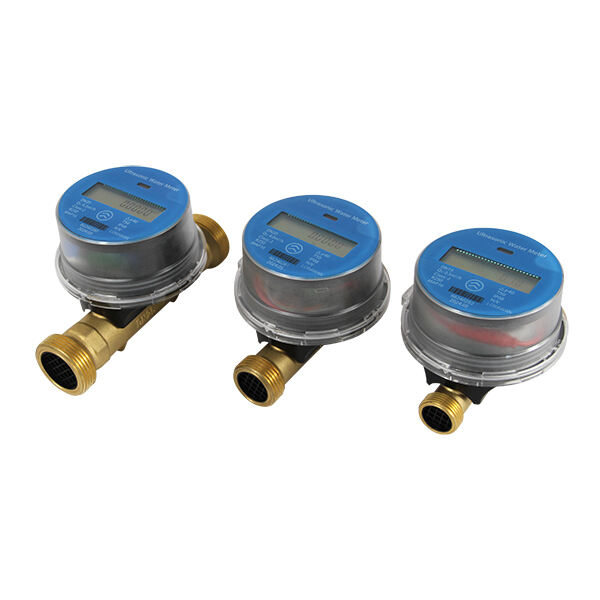
Understanding Smart Water Meters: The Foundation of Real-Time Monitoring
Core Technology: Sensors, low-power MCUs, and bidirectional communication in smart water meters
Smart water meters today bring together several key parts working together. They have either ultrasonic or electromagnetic sensors that measure water flow accurately, small power-saving microcontrollers handling all the data processing right on the device itself, plus communication modules like NB-IoT that send information back and forth in real time. These modern designs differ from old mechanical meters because they don't have any moving parts inside them. This means less maintenance overall probably around 40% less according to some studies from the International Water Association last year. The microcontrollers check how water flows through pipes every fraction of a second, spotting problems such as burst pipes early on. Once something looks off, they compress the data and send it to the utility company's servers so engineers can respond quickly when there are issues with the water system.
Global Demand: Rising need for leak detection and water consumption transparency
Water shortages are getting worse fast, which means cities really need better ways to track what's happening with their water supplies. According to recent World Bank data from 2023, about 30 percent of water goes missing in city systems worldwide on average, sometimes as high as half when infrastructure is old and worn out. For medium sized water companies, this kind of loss adds up to around seven hundred forty thousand dollars every year. That's why many are jumping on board with smart meter technology that gives detailed information about how much water people actually use. Today's water departments want systems that can spot leaks within just one day instead of waiting month after month with traditional checks. At the same time, these new systems let customers see exactly what they're using hour by hour through online dashboards, helping everyone cut down on wasted water.
Real-World Impact: Case study of Singapore’s PUB reducing non-revenue water by 12%
The Public Utilities Board of Singapore saw amazing improvements after rolling out smart meters across the country. They managed to cut down Non-Revenue Water (NRW) by 12% over just two years, which amounts to around 40 million gallons saved every single day according to their 2023 annual report. The system uses ultrasonic sensors combined with cell network connections to find leaks in those tall apartment buildings much faster now. What used to take weeks can be spotted within hours thanks to this tech. By catching these issues early on, they avoided losing about $2.8 million each year in potential revenue. Plus, their AI systems help predict how much water people will need during dry periods, making them better prepared for drought conditions. These innovations are becoming something other cities should look at when trying to manage water resources efficiently in crowded urban areas.
Enabling Real-Time Data Collection: From AMR to Advanced AMI Systems
Technology Shift: Evolution from AMR to AMI with ultrasonic and electromagnetic meters
Moving from Automatic Meter Reading (AMR) to Advanced Metering Infrastructure (AMI) represents a major upgrade for water monitoring. Traditional AMR setups basically just send out usage data through one-way radio signals, but AMI creates actual two-way communication networks that work with both ultrasonic and electromagnetic metering tech. The new solid state sensors hit around 1% accuracy throughout different flow conditions and don't get clogged up by minerals since there are no moving parts to wear down over time. What this means for water companies is they can stop relying on those monthly readings and instead track everything continuously. Ultrasonic meters actually perform really well in homes where water flows at lower rates most of the time. Some big names in the industry claim these new systems last about twice as long as older mechanical ones before needing replacement.
High-Frequency Sampling: Achieving sub-second data reporting and time-synchronized stamping
Smart water meters today track how much water gets used with amazing detail thanks to their ability to sample usage every fraction of a second. When these meters synchronize their data timestamps across whole networks within just 100 milliseconds, they can spot leaks much better by looking at pressure changes happening all over different areas simultaneously. The level of detail these systems provide actually shows problems we couldn't see before like small toilet leaks that happen when nobody's using water at night. According to recent research from WaterRF, water companies that switched to 1 second reporting cut down on the time spent finding leaks by about three quarters. This shift means fixing problems before they become big issues rather than waiting until something breaks down.
Edge Intelligence: On-device anomaly filtering to reduce cloud data load
When meters have built-in processing power, they can actually handle about 95 percent of all data right at the source, sending only really important stuff like long lasting weird flows to the cloud. The smart algorithms inside these devices are pretty good at telling regular activities such as someone taking a shower apart from real problems like burst pipes by checking against known flow patterns. This kind of local filtering cuts down on how much data needs to be sent around, which matters a lot for those battery operated NB-IoT setups since talking to the network eats up roughly 80% of their energy budget. Cities that started using this local analysis approach saw their cloud storage bills drop by around 60%, even though they still caught almost every single event with 99.7% accuracy according to last year's Smart Utility Benchmarking Study.
Optimizing Connectivity: NB-IoT vs. LTE-M for Smart Water Meter Networks
Network Comparison: Coverage, power efficiency, and latency in urban vs. rural deployments
Smart water meter network deployment presents some tough choices for utility companies when deciding between NB-IoT and LTE-M connectivity options. Urban settings tend to favor NB-IoT because signals can penetrate deeply into buildings, reaching those tricky underground and basement meters. Plus, these devices eat up so little power that batteries last over a decade in most cases. The downside? Response times lag somewhere between 1 to 10 seconds, which might be too slow for spotting urgent leaks. On the flip side, LTE-M delivers much faster responses under 100 milliseconds, making it great for real time monitoring needs. It also handles switching between cell towers smoothly during field inspections, though at the cost of consuming roughly double or triple the power. Out in rural areas where population density drops off, NB-IoT remains king thanks to its impressive 164 dB signal strength that covers vast distances. Meanwhile, LTE-M's bigger bandwidth capacity (around 1 Mbps compared to NB-IoT's 250 kbps) makes it better suited for pushing out software updates to remote locations, even if this comes with increased energy requirements.
Cloud Platforms: Transforming Data into Actionable Water Management Insights
Operational Efficiency: How cloud dashboards enable faster response to burst events and leaks
Smart water meters send their raw data to cloud platforms which turn all that information into easy to read dashboards. Utility companies can then watch how much water is being used and spot strange pressure changes as they happen. When something looks off, like a sudden drop in pressure that might mean a pipe has burst somewhere, the system sends out immediate warnings through email or text messages to the workers who need to respond. Field staff figure out exactly where along the pipeline the problem exists in just a few minutes flat. This cuts down on repair times significantly when compared with old fashioned paper reports. The dashboards collect both past records and current readings too, so engineers notice areas where leaks keep happening again and again. Instead of waiting for problems to show up, crews start fixing issues before they become big headaches. Less water gets wasted because resources go toward the most urgent spots first, and regular customers don't experience those annoying service interruptions as often anymore.
Securing the IoT Pipeline: Data Protection in Smart Water Meter Systems
Security Best Practices: TLS 1.3, Device Attestation, and OTA Firmware Signing
Strong security measures are absolutely essential when it comes to smart water meter networks these days. TLS 1.3 does most of the heavy lifting by encrypting all those data transfers between meters and cloud systems, which stops hackers from intercepting information mid-transmission. Then there's device attestation that checks if each piece of hardware is genuine whenever it connects to the network, basically keeping out any rogue devices trying to sneak in. For firmware updates, the system uses OTA technology with digital signatures so only trusted software gets pushed out remotely. According to recent studies from NIST (IR 8259, 2023), this multi-layered approach cuts down potential breaches by around two thirds compared to just using basic encryption methods alone.
Compliance Alignment: Meeting GDPR, NIST IR 8259, and Industry Regulations
Following international standards helps avoid expensive legal problems while also earning the confidence of customers. Take GDPR for instance, which requires companies to collect anonymous data and inform authorities about breaches within three days. Then there's NIST IR 8259 that sets minimum security levels for IoT devices. This includes things like automatic updates for vulnerabilities and making sure new devices connect securely from day one. For water treatment facilities specifically, special guidelines tackle unique risks through features like tamper resistant equipment housing and stronger network protections between systems. Companies that stick to these kinds of standards tend to experience around 30-35% reduction in security issues each year according to industry reports.
Frequently Asked Questions
What are the core technologies used in smart water meters?
Smart water meters utilize technologies such as ultrasonic or electromagnetic sensors, low-power microcontrollers, and bidirectional communication modules for real-time monitoring.
Why is there a global demand for smart water meters?
There is a rising demand due to increasing water shortages and the need for better leak detection and transparency in water consumption.
What is the difference between AMR and AMI systems in water metering?
AMR (Automatic Meter Reading) involves one-way communication for data gathering, whereas AMI (Advanced Metering Infrastructure) supports two-way communication, enabling real-time data analysis and reporting.
How do smart water meters enhance data collection?
They achieve high-frequency sampling with sub-second data reporting and time-synchronized stamping to provide detailed insights into water usage and potential leaks.
What connectivity options are available for smart water meter networks?
The primary options are NB-IoT, which is power-efficient with good coverage, and LTE-M, known for faster response times suitable for real-time monitoring.
How do cloud platforms transform data from smart water meters?
Cloud platforms convert raw meter data into actionable insights via dashboards, enabling utility companies to quickly respond to anomalies like leaks or burst events.
What security measures are applied to smart water meter networks?
Security measures include TLS 1.3 encryption, device attestation, and OTA firmware signing to ensure data protection and prevent unauthorized access.
Table of Contents
- Understanding Smart Water Meters: The Foundation of Real-Time Monitoring
- Enabling Real-Time Data Collection: From AMR to Advanced AMI Systems
- Optimizing Connectivity: NB-IoT vs. LTE-M for Smart Water Meter Networks
- Cloud Platforms: Transforming Data into Actionable Water Management Insights
- Securing the IoT Pipeline: Data Protection in Smart Water Meter Systems
-
Frequently Asked Questions
- What are the core technologies used in smart water meters?
- Why is there a global demand for smart water meters?
- What is the difference between AMR and AMI systems in water metering?
- How do smart water meters enhance data collection?
- What connectivity options are available for smart water meter networks?
- How do cloud platforms transform data from smart water meters?
- What security measures are applied to smart water meter networks?