
 EN
EN
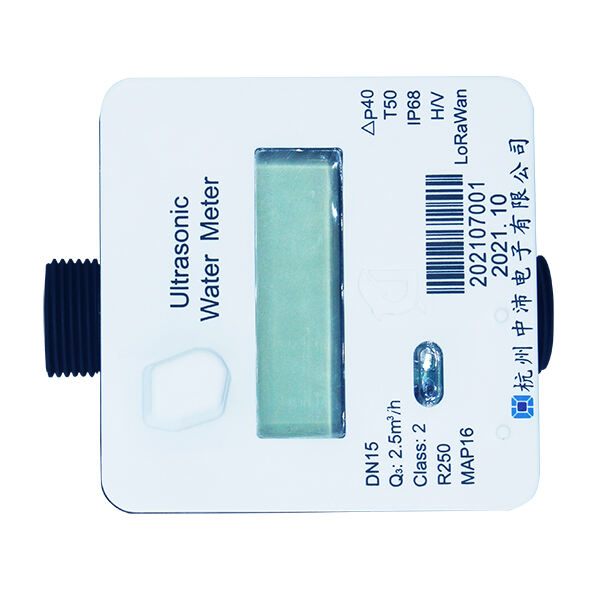
Higher Accuracy and Long-Term Measurement Stability
Why accuracy matters in modern water management and billing
Accurate water measurement is foundational for fair billing, regulatory compliance, and sustainable resource stewardship. Municipalities lose an estimated $740,000 annually due to measurement inaccuracies in legacy mechanical systems (Ponemon Institute, 2023). Precise, stable data enables utilities to:
- Bill consumers equitably while eliminating revenue leakage
- Identify hidden inefficiencies in distribution networks
- Prioritize infrastructure investments based on verified performance data
- Meet stringent reporting requirements in water-stressed regions
How ultrasonic technology ensures ±1% accuracy without degradation
Ultrasonic water meters work by calculating how long it takes sound waves to travel upstream versus downstream in the pipe system, which means there are absolutely no moving parts involved at all. These devices maintain around 1% accuracy throughout their lifespan, often lasting well beyond 15 years without any loss of performance because there's nothing mechanical to wear out or break down. Traditional mechanical meters tend to lose accuracy somewhere between 2 and 5 percent each year as they age. But ultrasonic models come equipped with built-in diagnostic systems that automatically adjust for changes in temperature and differences in pipe materials. This makes them consistently accurate right from installation until they're finally taken out of service.
Reducing non-revenue water with reliable long-term performance
Non-revenue water (NRW) accounts for roughly 30% of globally treated water (World Bank, 2023), much of it attributable to undetected metering errors and aging infrastructure. Ultrasonic meters directly mitigate this loss through:
- Continuous, drift-free accuracy for early leak detection
- Tamper-evident, time-stamped data logging
- Seamless integration with advanced metering infrastructure (AMI) platforms
Their sustained performance transforms NRW reduction from episodic interventions into a continuous operational discipline—especially critical in aging urban networks where cumulative measurement error compounds physical system losses.
No Moving Parts and Lower Maintenance Requirements
Mechanical wear in traditional meters leads to frequent failures
Water meters made with mechanical parts like gears, impellers, and pistons sitting in moving water tend to wear out over time. These components get damaged by things like sediment wearing them down, chemicals eating away at metal surfaces, and bearings just getting tired from constant movement. The numbers don't lie either – utility companies regularly find that these old style meters are only registering about 80-85% of actual usage after they've been installed for around eight years. And it gets worse each year too. About one fifth of all mechanical meters stop working properly every single year because their internal parts seize up or lose their accuracy somehow. This leads to unexpected repair work, expensive replacements, and all sorts of headaches when customers experience service disruptions without warning.
Solid-state design of ultrasonic water meter enhances durability
Ultrasonic meters work by sending sound waves through pipes with pairs of transducers. These devices don't touch the water at all, so there's no friction or parts wearing down over time. The setup keeps accuracy around plus or minus 1 percent for more than fifteen years without needing adjustments. Field tests have shown something pretty impressive too. Systems using ultrasonic technology need about ninety percent fewer emergency maintenance visits than older mechanical ones. That means technicians spend less time fixing problems and more time doing other important work. Plus, the whole system stays online longer without unexpected downtime.
Lower lifecycle costs due to minimal maintenance and longer service life
Ultrasonic meters don't have any moving parts so they just need batteries changed now and then plus some firmware updates every once in a while instead of having to replace entire units or do complicated mechanical recalibrations. Water companies are seeing around 60 percent less money spent on operations after switching because these meters last about twenty years compared to ten years for old mechanical ones that need replacing so often. The longer life span means fewer problems with meters failing silently too which cuts down on non-revenue water losses. This helps save money in the long run while also making better progress toward conserving our precious water resources.
Advanced Leak Detection and Smart System Integration
Detecting small leaks with bidirectional flow and low start flow sensitivity
Modern ultrasonic water meters can spot tiny leaks around 0.5 liters per hour, which is way better than what old mechanical meters can do. These advanced devices work because they sense flow in both directions and pick up on really small movements starting at less than 0.1 liters per minute. What makes them so useful is their capacity to catch those subtle backward or sporadic flows that indicate problems deep inside pipes. Municipalities running test programs have seen some impressive results too. Cities implementing these systems reported cutting down on wasted water by about 30% just after one year of operation. That kind of improvement means less money lost and cleaner infrastructure overall for residents.
Real-time monitoring through IoT connectivity and remote alerts
IoT modules built into these systems send detailed information about usage levels, pressure readings, and water flow rates to online servers every 15 minutes or so. When something goes wrong, automated systems pick this up and send immediate notifications via text message or email to maintenance staff. This means problems get fixed within hours instead of waiting days for someone to notice. One water company in Europe saw their average time to fix issues drop by around three quarters once they installed this technology. They stopped wasting millions of liters each year because crews could respond much faster when leaks happened.
Supporting smart water networks and conservation initiatives
The meters act kind of like smart switches throughout modern water systems, sending detailed usage info straight to analysis software. Smart algorithms crunch all this data to spot when pipes might be about to fail, and automatic valves kick in to stop leaks when things go wrong. Municipalities that have switched to these ultrasonic meters typically see around 18 to 22 percent less water wasted after just two years. That's not only good for city budgets but also helps move us closer to achieving the United Nations' sixth sustainable development target on clean water access for everyone.
Minimal Pressure Loss and Flexible Installation Options
Eliminating flow resistance improves system efficiency
Ultrasonic meters have a completely open flow path from one end to the other, which is very different from traditional mechanical meters. Those older models come with internal parts like impellers and chambers that actually disrupt the flow, causing turbulence and dropping pressure levels. The fact that ultrasonic meters don't interfere with the liquid passing through helps maintain consistent system pressure throughout the network. This also means less energy has to be used for pumping operations. Research indicates something pretty interesting here too. When pressure losses are reduced even slightly, say around half a bar, it can lead to significant cost reductions in big distribution systems. We're talking about potential savings of about 7% on pumping expenses without any loss in how accurately we measure what's going on inside those pipes.
Clamp-on and insertion models enable retrofit without pipe cutting
Ultrasonic tech allows for installations that don't mess with pipes at all something regular mechanical meters just can't do. There are these clamp on devices that stick to the outside of pipes with special gels called acoustic couplants. Then there are also insertion probes which go into tiny holes drilled in the piping system. The best part? No need to cut open pipes, weld anything together, or shut down operations completely. This makes it possible to upgrade systems even in places where stopping operations would be a real problem hospitals keeping patients comfortable, historic buildings needing preservation, and industrial facilities running under constant pressure where every minute of downtime costs money.
Reducing installation time, downtime, and labor costs
Installing clamp-on ultrasonic meters can cut installation time by around 70% compared to swapping out entire mechanical meters. These systems work without cutting into pipes or causing major service interruptions, which means companies save money on labor costs and also avoid losing revenue during those awkward shutdown periods. Looking at real world examples across several district metering areas throughout North America, operators have found that deploying these ultrasonic solutions typically costs about 40% less than going through the whole traditional meter replacement process. The savings stack up fast when considering all the downtime avoided and the reduced need for specialized plumbing crews.
Hygienic, Energy-Efficient Design for Sustainable Applications
Non-contact measurement preserves water quality in sensitive uses
Ultrasonic meters work differently from traditional flow measurement devices since they don't have any parts that come into direct contact with the fluid being measured. This design actually stops several common sources of contamination problems like bacteria growing inside the meter, materials breaking off from internal surfaces, or particles accumulating over time. For this reason, these meters are widely used across industries where purity matters most such as making medicines, running sterile water systems in hospitals, and ensuring safe drinking water supplies that must meet strict regulations like NSF/ANSI 61 and ISO 22000 requirements. Hospitals especially depend on this kind of clean technology because even small amounts of contamination can lead to serious infections when dealing with sensitive water systems throughout surgical areas and patient care units.
Low-power electronics enable 15+ year battery life
Today's ultrasonic meters rely on advanced microelectronics that run on extremely low current levels when processing signals and transmitting data. The result? Batteries last well over a decade in actual field conditions, sometimes even reaching 15 years or more. This works particularly well in harsh environments where regular replacements would be impractical. A growing number of these devices also feature energy harvesting capabilities from their surroundings. Some pull power from temperature differences, others from mechanical vibrations. These features mean longer time between service calls and fewer headaches for maintenance teams dealing with hard-to-reach installations.
Ideal for healthcare, food processing, and green building projects
Ultrasonic water meters fit well within different industry requirements for performance and green initiatives. Hospitals often install these meters in their water systems designed to prevent infections. Food processing plants find them useful for meeting HACCP standards in their production lines. And buildings aiming for LEED certification tend to go for these meters because they help conserve water and can be retrofitted without much hassle. What makes ultrasonic meters stand out is how they work with existing sustainability goals without needing major renovations or creating construction debris. This feature alone has made many facility managers view them as smart investments for infrastructure that can withstand changes and prepare for what comes next in building technology.
Frequently Asked Questions
What are the advantages of using ultrasonic water meters over traditional mechanical meters?
Ultrasonic water meters offer higher accuracy, no moving parts leading to lower maintenance, durability, advanced leak detection, real-time monitoring, and minimal pressure loss among other benefits. They also integrate seamlessly with advanced metering infrastructure (AMI) for smart water networks.
How accurate are ultrasonic water meters and how long does their accuracy last?
Ultrasonic water meters typically maintain an accuracy of ±1% throughout their lifespan, which can exceed 15 years, without any loss of performance because there are no mechanical parts to wear out.
Can ultrasonic meters be retrofitted in existing water systems?
Yes, ultrasonic meters offer flexible installation options like clamp-on and insertion models, allowing them to be installed without cutting pipes or causing service interruptions.