
 EN
EN
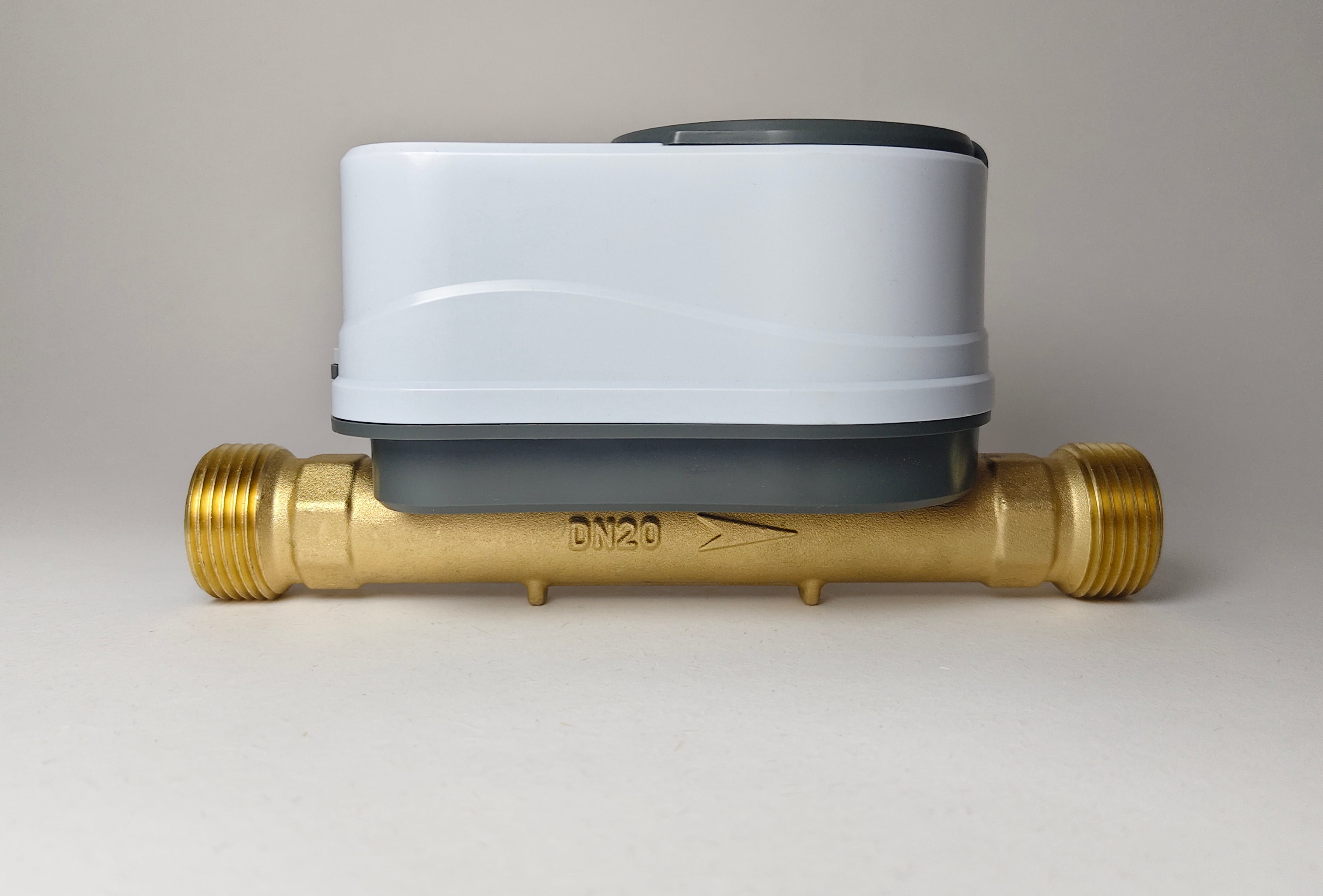
Why Property Managers Need Smart Water Meters
Escalating water costs and aging infrastructure are turning utility management into a significant operational challenge for property managers. Traditional manual meter reading is labor-intensive, prone to billing errors, and fails to provide the real-time visibility needed to catch hidden leaks or wasteful usage patterns. Smart water meters transform this process by delivering accurate, automated readings that eliminate guesswork and unlock fair, usage-based tenant billing. Critically, continuous monitoring can detect abnormal flow immediately—studies show that timely leak alerts can reduce water loss by up to 25%, preventing expensive damage and conserving resources. As regulatory pressure mounts and tenants demand transparency, property managers who adopt smart metering gain a clear competitive edge: they control operating costs, improve net operating income, and offer a data-driven resident experience. The shift is no longer a luxury but an operational necessity for any portfolio aiming to stay efficient and sustainable.
Core Capabilities: Remote Reading, Leak Detection, and Submetering
Automated meter reading eliminates manual labor and billing errors
Smart water meters replace error-prone manual processes with secure, interval-based data collection—typically every 15 minutes or hourly—transmitted over licensed or unlicensed IoT networks. Property managers no longer dispatch staff to every unit or rely on tenants to self-report readings. This removes the primary sources of billing inaccuracies: misread dials, transposed digits, and estimated bills. In a 2023 survey by the Utilities Technology Council, 78% of properties that adopted Automatic Meter Reading (AMR) reported a measurable drop in customer disputes. Data flows directly into billing platforms, ensuring invoices reflect actual usage—not estimates. The result is a leaner operation: fewer field visits, lower administrative overhead, and billing cycles that close in days instead of weeks. Over time, consistent, accurate billing builds trust with residents and simplifies financial reconciliation.
Real-time leak detection and abnormal usage alerts reduce water loss by up to 25%
Continuous monitoring enables proactive water conservation. Smart meters identify flow anomalies—such as overnight toilet runs or undetected pipe fractures—by comparing live usage against historical baselines. When deviations occur, the system triggers instant alerts, allowing maintenance teams to intervene before minor issues escalate into costly damage. Research from the International Water Association (IWA 2022) shows that properties using real-time leak detection can reduce water loss by up to 25%. For example, a multi-family complex in Arizona avoided a $50,000 repair bill when a meter flagged a 3-gallon-per-minute underground leak that had gone unnoticed for weeks—preventing structural damage and mold growth. Beyond emergency response, granular analytics help identify chronic inefficiencies, like overwatering in irrigation systems, enabling remote adjustments. Together, rapid alerts and actionable insights turn water management from a reactive cost center into a proactive, value-driving function.
Fair utility allocation via submetering and prepaid / postpaid models
Submetering ensures equitable cost allocation by measuring actual water consumption per unit—replacing outdated methods like square-footage or occupancy-based apportionment. With smart submeters, property managers can support both prepaid and postpaid billing models. Prepaid systems let residents pay in advance—similar to mobile top-ups—virtually eliminating bad debt and collection efforts. Postpaid submetering retains traditional billing timing but anchors invoices to precise, unit-level data. This transparency encourages conservation: residents who see their own usage and associated costs tend to use 15–20% less water, according to a 2021 study by the Alliance for Water Efficiency. Financially, the benefits are twofold: the property stops absorbing common-area water costs, and shifting utilities to resident-paid status reduces operating expenses by $200–$400 per unit annually. Built-in reporting tools also simplify move-in/move-out readings and resolve disputes with verifiable data.
Selecting the Right Smart Water Meter: Connectivity, Compatibility, and ROI
NB-IoT, LoRaWAN, and cellular: Matching IoT connectivity to building density and infrastructure
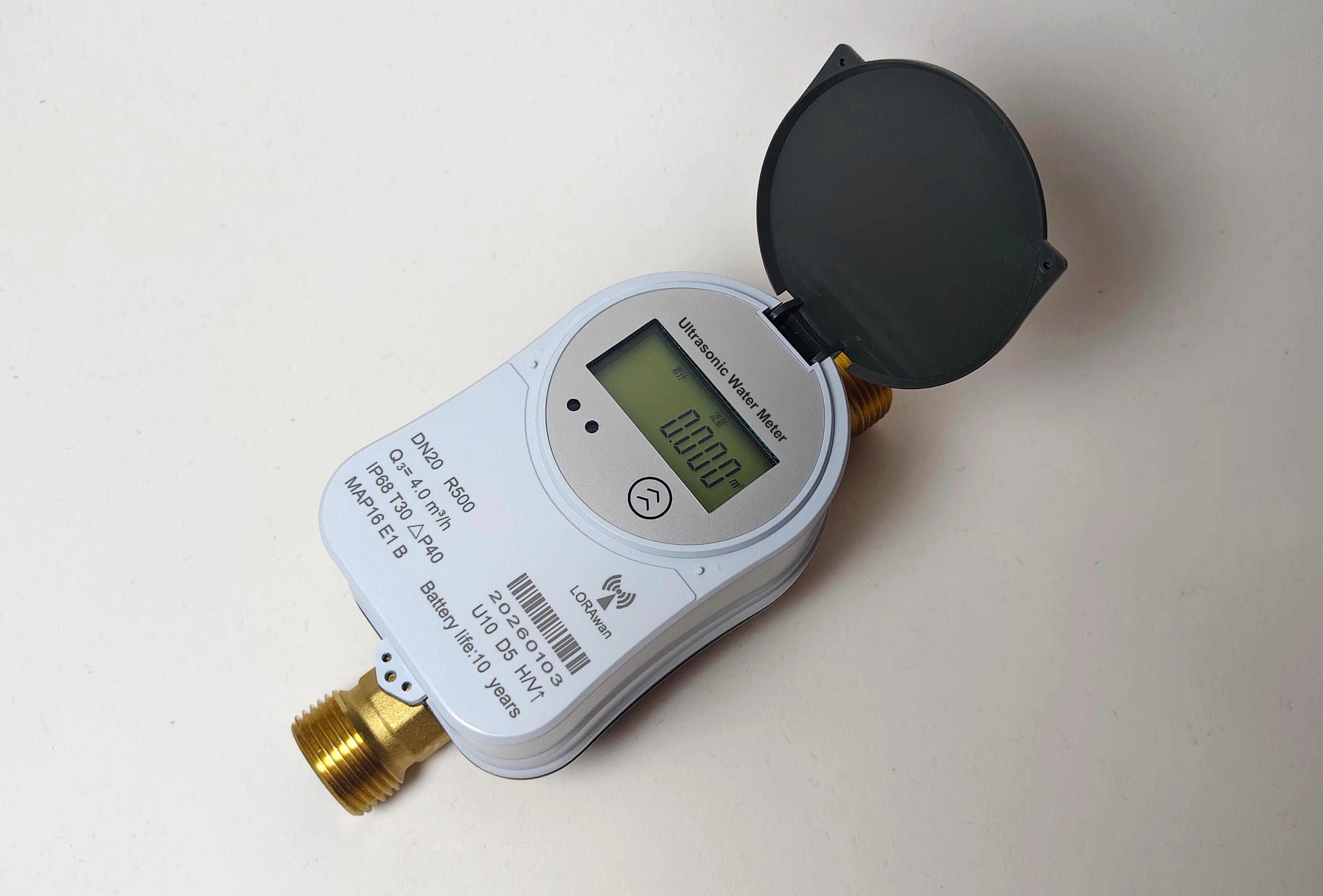
A smart water meter’s connectivity layer directly impacts data reliability and long-term cost. NB-IoT operates on licensed cellular spectrum, offering deep indoor penetration and high network availability—ideal for high-rise urban properties where structural interference is common. LoRaWAN uses unlicensed radio bands to deliver long-range, low-power transmissions across sprawling campuses or suburban portfolios without recurring carrier fees. Direct cellular (LTE-M/4G/5G) gives each meter an independent connection—eliminating on-site gateways and single points of failure—making it especially valuable for remote or geographically dispersed assets. One California municipality reduced peak-hour irrigation usage by 18% after linking meter data to automated controls, illustrating how aligning protocol with environment unlocks responsiveness. Emerging 5G networks support over 50,000 simultaneous connections per square mile with sub-2-second latency for critical leak alerts—significantly expanding the feasibility of dense, city-wide deployments.
Integration with CIS, property management software, and cloud platforms
Seamless back-end integration is as essential as the radio link. Smart meters must feed usage data into Customer Information Systems (CIS), property management platforms, and cloud dashboards via open APIs and standard protocols like MQTT or REST. This ensures readings automatically populate billing modules, tenant portals, and maintenance workflows—without manual entry. When evaluating hardware, confirm that the vendor’s cloud platform supports multi-tenant data segregation, usage-based billing rules, and alert forwarding to existing tools. Compatibility with Building Management Systems (BMS) further enables cross-system analytics—for instance, correlating water-use peaks with HVAC schedules. A solution that layers easily into current software stacks avoids costly custom development and accelerates ROI, letting staff act on insights from a unified interface rather than juggling disconnected systems.
FAQ
Why are smart water meters crucial for property managers?
Smart water meters automate readings, reduce billing errors, detect leaks, and ensure fair utility allocation, helping property managers cut costs and enhance transparency.
What capabilities should smart water meters have?
Key features include automated remote reading, real-time leak detection, and submetering for accurate tenant-level utility billing.
How do smart water meters help detect leaks?
Continuous monitoring identifies flow anomalies and alerts maintenance teams to address issues before they escalate into costly damages.
What connectivity options are available for smart meters?
Smart meters offer various IoT connectivity options, including NB-IoT, LoRaWAN, and cellular, tailored to building density and infrastructure needs.
How do smart meters integrate with property management systems?
Integration is achieved via open APIs and protocols, ensuring seamless data sharing with billing modules, tenant portals, and maintenance workflows.