
 EN
EN
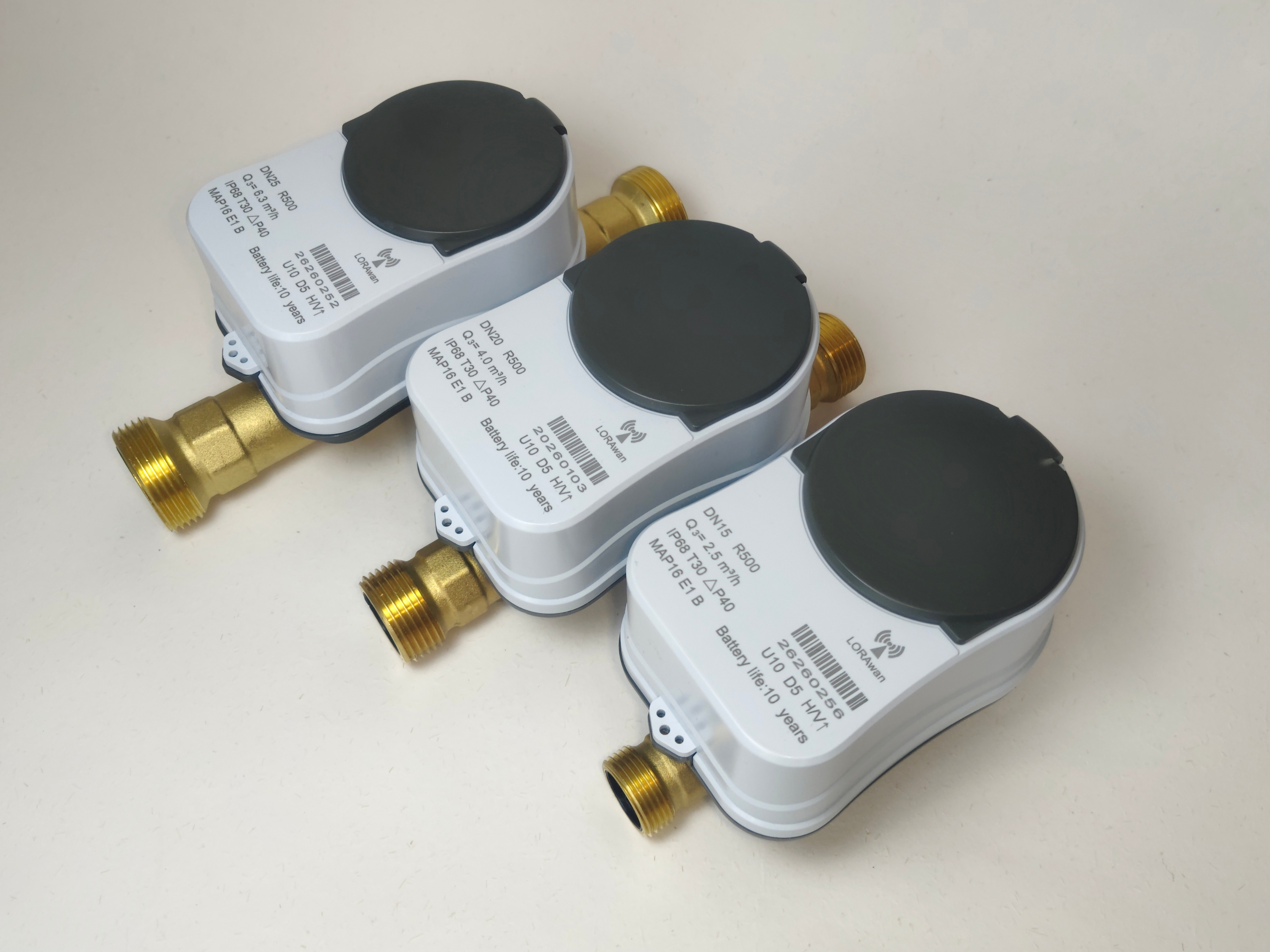
Evaluate Infrastructure Readiness for Water Meter Smart Deployment
Audit legacy meters and communication networks for compatibility
Before deploying a smart water meter system, utilities must audit existing meters and communication infrastructure for technical compatibility. Many legacy meters are mechanical or lack digital outputs—key barriers to integration with advanced metering infrastructure (AMI). A 2023 Water Research Foundation survey found that over 35% of North American utilities still operate meters incompatible with modern communication protocols. This audit assesses meter age, type, output interfaces (e.g., pulse, M-Bus), and the condition of current networks—whether RF mesh, cellular, or fixed-wire. Identifying units incapable of remote reading is essential; while retrofitting is possible, it often introduces cost, complexity, and performance limitations. Utilities should also evaluate network bandwidth, latency, and coverage gaps to ensure reliable handling of increased data traffic. Skipping this step risks integration failures, data loss, and operational delays.
Identify data silos and interoperability gaps using asset mapping
Data silos between billing, SCADA, and GIS systems routinely undermine the value of smart water meter deployments. Asset mapping—using GIS to visualize physical assets alongside their digital connections—reveals where data flows break down or duplicate. A 2022 International Water Association (IWA) report noted that 40% of utilities face significant interoperability challenges during smart meter integration. Mapping highlights critical gaps: for example, meters that transmit consumption data but cannot interface with the customer information system (CIS) for automated billing. It also uncovers redundant manual entry points and informs the design of a unified data architecture. Addressing these issues early reduces integration effort, accelerates time-to-value, and ensures real-time insights reach operations, finance, and customer service teams.
Choose the Optimal Water Meter Smart Deployment Strategy
Retrofit vs. full replacement: cost, timeline, and scalability trade-offs
Utilities must decide whether to retrofit legacy meters with communication modules or replace them entirely with integrated smart meters. Retrofitting typically lowers upfront capital costs by 30–40% and shortens deployment timelines—often to weeks rather than months—since the existing meter body remains in place. However, this approach is constrained by the accuracy and condition of aging mechanical meters, which may already suffer from flow drift or wear-related inaccuracies. Data reliability is only as strong as the underlying measurement device. Scalability also suffers: retrofits are often model-specific, resulting in fragmented hardware fleets that complicate future upgrades, firmware management, and analytics consistency. In contrast, full replacement delivers uniform accuracy, extended service life (15+ years), and a standardized platform for district-wide expansion. Though initial investment is higher, long-term savings in maintenance, labor, and data integrity frequently justify the shift.
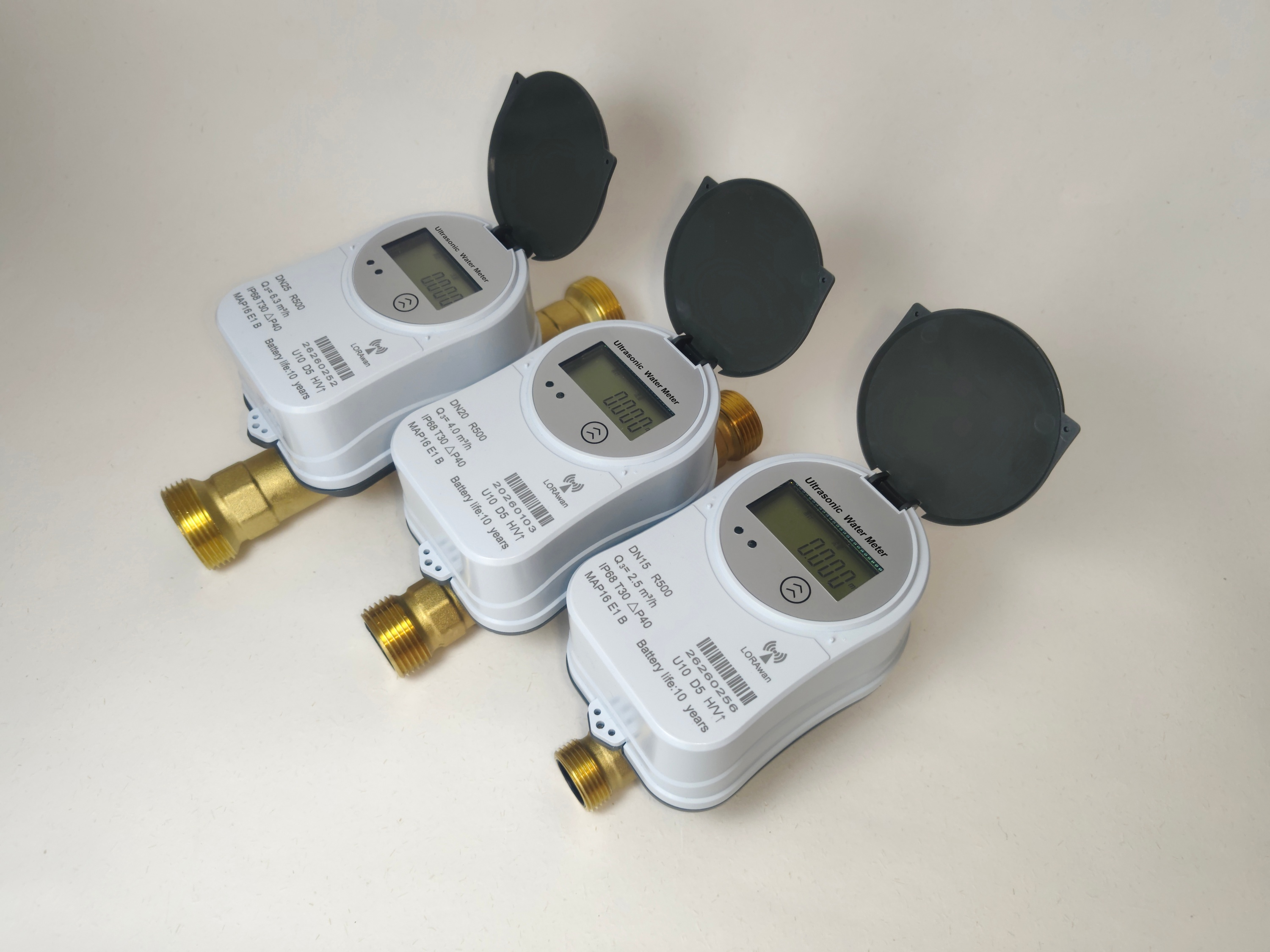
Why retrofitting legacy meters may delay long-term water meter smart ROI
Retrofitting offers near-term budget relief but often defers the full strategic value of a smart water meter system. Add-on modules cannot overcome fundamental limitations of legacy metering technology—such as poor low-flow sensitivity or inability to support high-resolution temporal sampling. As a result, retrofitted systems rarely enable advanced capabilities like real-time leak detection, pressure-aware flow profiling, or predictive demand modeling. Within five years, rising maintenance costs often offset initial savings, as aging mechanical components fail and require unplanned replacements. Lower data fidelity also weakens billing accuracy and slows identification of non-revenue water—delaying conservation gains and regulatory compliance. By postponing adoption of modern ultrasonic or electromagnetic meters, utilities extend periods of suboptimal performance and miss early opportunities to reduce water loss. A retrofit may be pragmatic for pilot zones, but it risks undermining long-term return on investment if treated as a permanent solution.
Integrate Core Components of Your Water Meter Smart System
Selecting the right LPWAN protocol: LoRaWAN vs. NB-IoT for urban density
The communication backbone of a smart water meter system directly impacts data reliability, battery life, and total cost of ownership. In dense urban environments, two low-power wide-area network (LPWAN) protocols dominate: LoRaWAN and NB-IoT. LoRaWAN operates in unlicensed ISM spectrum, enabling private network deployment and lower device costs. NB-IoT uses licensed cellular bands, delivering superior signal penetration through concrete, steel, and underground enclosures—critical in high-rise and mixed-use districts. A 2023 IWA analysis found NB-IoT achieved a 99.5% data delivery rate in dense cities, compared to 97% for LoRaWAN—though LoRaWAN gateways cover broader areas (2–3 km radius), reducing infrastructure spend. The table below summarizes key trade-offs:
| Feature | LoRaWAN | NB-IoT |
|---|---|---|
| Spectrum | Unlicensed (ISM) | Licensed cellular |
| Indoor penetration | Moderate | Excellent |
| Maximum data rate | 50 kbps | 250 kbps |
| Battery life | 10–15 years | 10+ years |
| Network ownership | Private or public | Operator-managed |
A hybrid strategy—LoRaWAN for low-rise residential neighborhoods and NB-IoT for high-density commercial corridors—optimizes coverage, reliability, and cost without requiring manual reads or costly repeater deployments.
Adopting cloud-native platforms for real-time water meter smart analytics
Once meter data reaches the cloud, a cloud-native platform unlocks its full operational potential. Unlike on-premise servers, these platforms auto-scale to ingest millions of readings per month and run real-time analytics—enabling immediate anomaly detection, dynamic baseline modeling, and event-driven alerts. A 2024 Singapore pilot demonstrated that cloud-native analytics reduced average leak detection time from days to under 15 minutes, cutting non-revenue water by 12%. These platforms integrate natively with SCADA, GIS, and CIS systems; offer role-based dashboards for field crews, engineers, and managers; and embed predictive maintenance models that forecast pipe failures weeks in advance. Built on serverless architecture, they convert large capital expenditures into variable operational costs—aligning spend with actual usage and service growth. Multi-cloud deployment further enhances resilience, eliminating single points of failure that could disrupt billing cycles or outage notifications.
Realize Operational Value from Your Water Meter Smart Investment
From remote reading to proactive leak detection and water loss reduction
Transitioning from periodic manual reads to continuous remote monitoring delivers immediate efficiency gains—eliminating route-based collection and delivering usage data at 15-minute intervals. This improves billing accuracy, reduces field labor, and frees crews for higher-value tasks like leak repair and infrastructure inspection. More significantly, granular, high-frequency data enables proactive leak detection. Analytics engines compare real-time consumption signatures against historical baselines and peer-group norms, automatically flagging anomalies indicative of service line breaks, fixture leaks, or unauthorized use. Utilities can notify customers within hours—not weeks—preventing property damage and curbing non-revenue water. Early adopters report up to a 20% reduction in distribution system losses within the first year. This evolution—from reactive complaint resolution to predictive asset management—transforms the smart meter investment from an operational upgrade into a strategic water conservation and resilience initiative.
Frequently Asked Questions (FAQ)
Why is auditing legacy meters important before deploying smart water meters?
Auditing legacy meters ensures compatibility with Advanced Metering Infrastructure (AMI) and identifies barriers such as age, type, and network inadequacies that could affect performance and adoption.
What is asset mapping and how does it help in smart meter integration?
Asset mapping uses GIS to visualize physical assets and their digital connections. This helps uncover interoperability gaps, streamline data flows, and design unified architectures for better integration.
What are the trade-offs between retrofitting legacy meters and full replacement?
Retrofitting is cost-effective and faster but limits accuracy and scalability. Full replacement, while more expensive, offers uniform performance and better long-term return on investment.
What factors determine the choice between LoRaWAN and NB-IoT for communication?
The choice depends on urban density, signal penetration needs, battery life, and costs. LoRaWAN suits residential zones, while NB-IoT excels in high-rise commercial districts.
How can cloud-native platforms enhance smart water meter analytics?
Cloud-native platforms enable real-time anomaly detection, predictive maintenance, and scalable data ingestion, transforming operational efficiency and resilience.
What operational benefits can utilities achieve from smart water meter investments?
Smart water meters deliver accurate remote readings, enable proactive leak detection, and reduce labor costs, transforming water conservation and asset resilience strategies.
Table of Contents
- Evaluate Infrastructure Readiness for Water Meter Smart Deployment
- Choose the Optimal Water Meter Smart Deployment Strategy
- Integrate Core Components of Your Water Meter Smart System
- Realize Operational Value from Your Water Meter Smart Investment
-
Frequently Asked Questions (FAQ)
- Why is auditing legacy meters important before deploying smart water meters?
- What is asset mapping and how does it help in smart meter integration?
- What are the trade-offs between retrofitting legacy meters and full replacement?
- What factors determine the choice between LoRaWAN and NB-IoT for communication?
- How can cloud-native platforms enhance smart water meter analytics?
- What operational benefits can utilities achieve from smart water meter investments?