
 EN
EN
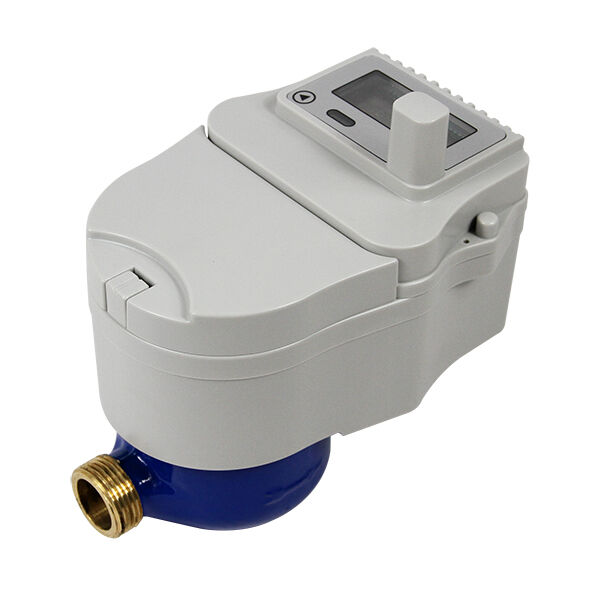
Why Ultrasonic Water Meters Detect Leaks Earlier and More Accurately
Sub-1 L/min sensitivity and continuous real-time flow monitoring
Ultrasonic water meters can pick up flows down to just 0.01 liters per minute, catching those tiny leaks that come from old joints or small cracks in pipes. Regular mechanical meters typically need around 15 to 20 liters per hour before they even start registering any activity, so these smaller issues completely slip past them. With sensitivity below one liter per minute, ultrasonic models spot leaks that are actually 8 to 15 times tinier than what conventional systems can find. When there's constant monitoring happening all day long, unusual patterns trigger instant warnings instead of waiting until someone checks manually once a month. That monthly check system means problems tend to go unnoticed for weeks at a time. Since there are no actual moving components inside, there's no mechanical resistance or wear and tear slowing things down. The meter reacts right away when something odd happens with the water flow. Studies published in peer reviewed journals show these devices cut down on hidden leaks by about two thirds. Looking at numbers from recent research, those very small flows below one liter per minute actually represent 1.3 percent of all water lost across distribution networks according to findings in the AWWA Journal last year.
Time-of-flight measurement: eliminating mechanical wear and drift for long-term accuracy
Ultrasonic meters keep around 1% accuracy for many years thanks to their transit time tech, which looks at how fast sound waves travel through water in both directions. Mechanical meters tell a different story though their gears wear down about 5% each year leading to those annoying under registration issues. Ultrasonic systems don't have any parts actually touching the water inside them. This means no buildup from minerals, no problems with debris getting stuck, and they stay calibrated even when temperatures change. Real world tests back this up showing these meters still hit about 95% accuracy mark after ten full years on the job while old fashioned mechanical ones start missing readings by 15 to 20% within just six years according to Infrastructure Systems Review last year. Plus they handle low flow situations much better than those spinning turbines found in traditional mechanical meters so operators get reliable readings no matter what kind of conditions they're dealing with day to day.
Ultrasonic vs. Mechanical Meters: Critical Differences in Leakage Detection Performance
Zero-flow alerting and bidirectional flow detection — identifying hidden leaks and reverse flows
Ultrasonic meters offer something mechanical designs simply don't have: they can verify when there's absolutely no flow going through them and measure in both directions. What does this mean? These devices catch those tiny leaks that never stop dripping, plus they spot those tricky reverse flows that happen when pressure changes suddenly, like during back siphoning events or pipe connections gone wrong. Mechanical meters are stuck with old school technology that only works one way and needs a certain flow rate before it even starts counting. Because of their gears and moving parts, they get clogged up over time and miss those little irregularities in water movement. Water companies often lose thousands because these issues go undetected for months on end. Ultrasonic systems give detailed readings marked with exact timestamps, so engineers can actually figure out what went wrong instead of just seeing numbers on a report at month's end.
From threshold-based billing to AI-ready anomaly detection in smart water networks
Traditional mechanical meters can only be read manually at set intervals, which means utility companies have to rely on old data for billing and can only respond to leaks after they happen. Ultrasonic meters work differently by creating detailed digital flow information that works well with modern AMI systems and smart water grids. With these meters, we get early warning signs of potential leaks through AI that looks at past and present data patterns. They also send automatic alerts when pipes burst and maintain accuracy around 99% without needing regular adjustments. Mechanical meters tend to lose about 2% accuracy each year, leading to bigger billing errors over time and making it hard to see actual usage patterns. The ultrasonic technology keeps performing steadily, giving us reliable information that matters. When companies switch to this system, they turn basic meter readings into valuable conservation tips and move away from fixing problems after they occur toward preventing issues before they start saving money and resources in the long run.
Proven ROI: How Utilities Achieve 15% NRW Reduction with Ultrasonic Water Meter Deployment
Barcelona case study: 14.8% NRW reduction through citywide ultrasonic smart meter rollout
When Barcelona rolled out ultrasonic smart meters citywide, they managed to cut down on non-revenue water (NRW) by around 14.8% over just three years. This matches what others have seen in the industry too, where NRW drops between 12% and 18% once these systems are fully implemented. What makes these meters special is their ability to detect leaks as small as less than one liter per minute something that had gone unnoticed before in many old distribution pipes. Plus, having real time data meant maintenance teams could jump on problems much quicker without wasting time figuring out where to start looking. The money saved through lower labor costs, quicker fixes, and getting back revenue from water that wasn't being billed actually paid off the initial investment in about 3.5 years, which shows good return on investment for cities of moderate size. Some studies suggest that for every 100,000 connections, these systems save roughly $740k each year in lost revenue. And since there are no moving parts that wear out over time, these meters stay accurate well over 99% of the time, making sure the financial gains keep coming in and helping planners make better decisions about future investments.
Strategic Implementation: Integrating Ultrasonic Water Meters into Water Loss Management Programs
Getting ultrasonic water meters working well within current water loss management programs needs a step by step approach based on actual data rather than guesswork. Start off by doing some hydraulic modeling first so we know where to place these meters in areas where there's likely to be significant losses. These meters can detect leaks down to less than one liter per minute, which helps create accurate baseline readings about how much water is actually being lost through pipes. When installing them, it makes sense to combine this work with regular checks of our pipe networks. The constant stream of flow data not only confirms what our models predict but also reveals hidden problems in older infrastructure that nobody knew existed. Hooking up these meters to District Metered Area monitoring systems allows us to compare incoming water against what people are actually consuming in real time. Any difference over 5% gets flagged automatically so someone can check it out right away. Cities that have implemented this system report cutting non-revenue water by around 14.8%, moving away from fixing leaks after they happen to catching issues before they become big problems. Field workers need proper training too - teaching them how to spot unusual flow patterns going both ways through pipes and when consumption drops to nothing unexpectedly. Lastly, make sure all this detailed flow information gets fed into our asset management software so we can plan better when replacing old pipes becomes necessary instead of just reacting to emergencies.
FAQ Section
Why are ultrasonic water meters more sensitive than mechanical meters?
Ultrasonic water meters can detect flows as small as 0.01 liters per minute, which is much smaller than what regular mechanical meters can detect, typically around 15 to 20 liters per hour.
How do ultrasonic water meters maintain long-term accuracy?
Ultrasonic meters maintain up to 1% accuracy over the years due to their time-of-flight technology, which doesn't have mechanical components that wear down over time unlike traditional meters.
What benefits do ultrasonic meters provide over mechanical meters in terms of flow detection?
Ultrasonic meters can detect zero flow and bidirectional flow, allowing them to identify hidden leaks and reverse flows, which mechanical meters often miss due to their one-directional functionality and flow rate requirements.
Table of Contents
- Why Ultrasonic Water Meters Detect Leaks Earlier and More Accurately
- Ultrasonic vs. Mechanical Meters: Critical Differences in Leakage Detection Performance
- Proven ROI: How Utilities Achieve 15% NRW Reduction with Ultrasonic Water Meter Deployment
- Strategic Implementation: Integrating Ultrasonic Water Meters into Water Loss Management Programs