
 EN
EN
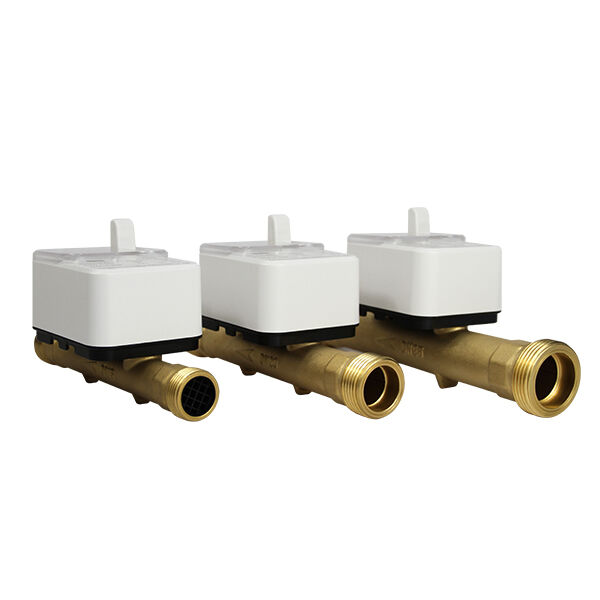
Core BTU Meter Technologies for Commercial HVAC Systems
Mechanical, Ultrasonic, and Electromagnetic BTU Meters: How They Work and Where Each Excels
For commercial HVAC systems, getting accurate thermal energy measurements is absolutely essential, which has led to growing interest in three main types of BTU meters. Mechanical meters work by spinning turbines as fluid moves through them. These are pretty affordable when dealing with clean water systems, but they come with problems since all those moving parts tend to wear out fast and need regular upkeep. Ultrasonic meters take a different approach, calculating flow based on how long it takes sound waves to travel through the pipe. The big advantage here is no need to cut into pipes for installation, plus there's absolutely no pressure loss across the meter. They handle dirty fluids and fluctuating flow rates much better than other options. Then there are electromagnetic meters that rely on Faraday's Law principles to detect changes in voltage within conductive fluids. With an accuracy rating around ±0.5%, these perform exceptionally well in systems using glycol solutions, making them popular choices for many industrial applications where precision matters most.
| Technology | Operating Principle | Optimal Use Case | Accuracy Range |
|---|---|---|---|
| Mechanical | Turbine rotation by flow | Clean hydronic systems | ±2–5% |
| Ultrasonic | Sound wave transit time | Retrofits, variable flow | ±1–3% |
| Electromagnetic | Voltage induction in fluids | Conductive fluids (e.g., glycol) | ±0.5–1% |
Ultrasonic technology dominates modern installations due to its non-intrusive design and low lifecycle cost, while electromagnetic meters remain the standard for critical billing-grade applications per ASHRAE’s 2023 performance benchmarks.
Clamp-On vs. In-Line BTU Meters: Balancing Installation Ease, Accuracy, and Long-Term Reliability
How something gets installed really matters when it comes to getting accurate readings and keeping operations running smoothly. Clamp on meters work by attaching outside the pipe so there's no need to shut down the whole system during installation. These are great choices for short term monitoring projects, places that are rented out, or when doing upgrades in stages. But keep in mind that these external sensors might not be super precise all the time. Accuracy tends to fluctuate around plus or minus 5 percent based on what kind of pipe material is used, how thick those walls are, and whether there's any insulation covering them. For situations where precision matters most, inline meters are the way to go even though they mean cutting into existing pipes. They offer much better accuracy at about plus or minus 1 percent because they actually touch the fluid directly. Plus, using welds or flanges creates stronger connections that stand up better against leaks over time, especially important in systems under high pressure conditions.
For tenant billing in multi-occupancy buildings, in-line configurations provide proven 10-year stability with <0.5% annual drift. Clamp-on alternatives suit energy audits where ±7% tolerance is acceptable, though their higher calibration frequency increases maintenance costs by approximately 30% over a decade-long deployment, according to facility management studies.
Accuracy, Certification, and Regulatory Compliance for Billing-Grade BTU Meters
EN 1434, MID Class 2, and CRN Certifications: What They Mean for Commercial Legitimacy and Utility Acceptance
When it comes to billing grade BTU meters, certifications aren't just nice to have they're absolutely essential. EN 1434, which is Europe's standard for heat meters, requires accuracy within plus or minus 1 to 2 percent over different temperatures and flow rates. This helps make sure we get accurate measurements of thermal energy. The MID Class 2 certification allows these meters to be used legally for utility billing throughout the European Union. Meanwhile in Canada, getting a Canadian Registration Number (CRN) means the equipment meets safety standards for pressurized systems. If a facility doesn't have these proper certifications, problems start popping up. Utilities might reject the submeter data altogether. Tenants could end up fighting over bills. And worst of all, any money invested in improving energy efficiency suddenly looks shaky during audits because there's no solid documentation backing it up.
Accuracy Requirements by Use Case: Tenant Billing vs. Submetering vs. Energy Efficiency Benchmarking
Precision requirements vary significantly by application:
- Tenant billing requires ±2% error—mandating EN 1434 Class 2 or MID Class 2 certification to prevent revenue loss and legal exposure.
- Submetering for internal cost allocation tolerates ±3–5% error but still benefits from MID or CRN validation for audit readiness.
- Energy benchmarking, focused on trend analysis rather than financial settlement, accepts ±5–10% variance.
Selecting a meter aligned to the specific use case avoids unnecessary capital expense—no need for billing-grade precision in diagnostic or trending applications.
Matching BTU Meter Specifications to Real-World Commercial System Parameters
Fluid Type, Temperature Range, and Flow Rate: Critical Engineering Inputs for Reliable BTU Meter Selection
When choosing a BTU meter, there are really three main factors that need matching up properly: what kind of fluid is running through the system, the temperature range it operates in, and how fast the fluid flows. The actual thermal characteristics matter a lot too. Water works fine for many applications, but when systems use ethylene glycol blends or other special heat transfer fluids, this changes things. Take a common scenario where someone has a 30% glycol solution running through their pipes. This actually cuts down on the specific heat capacity compared to plain water by about 15%. That means the meter readings might be off unless the manufacturer adjusts for this during production or the software compensates somehow. Otherwise, the system could consistently show lower values than what's actually happening.
The operating temperature range needs to cover everything the system might encounter. Standard meters work well between -4°F and 302°F (-20°C to 150°C), but problems start when temperatures go beyond those limits. For chilled water systems running below 40°F (4°C), special attention is needed since regular equipment won't handle antifreeze properly. When it comes to flow rates, getting this right matters just as much. Meters that are too small create all sorts of issues like turbulence and pressure drops once flow exceeds around 10 gallons per minute (about 38 liters). On the flip side, oversized meters struggle to detect anything below roughly half a gallon per minute (just under 2 liters). Getting these numbers wrong can lead to measurement errors anywhere from 5% to 15%, which isn't trivial at all. Such inaccuracies mess up tenant bills or throw off energy efficiency calculations completely. Before buying any equipment, make sure to check what specs actually match real world conditions instead of just going by what's printed on the box.
BTU Meter Deployment Scenarios Across Multi-Tenant Commercial Facilities
Tenant-Level Thermal Energy Allocation in Shopping Malls, Office Complexes, and District Heating Connections
BTU meters help make sure everyone pays their fair share when it comes to thermal energy by tracking actual consumption right at where tenants live or work. Take shopping centers for instance these days. Instead of just guessing based on how big a store is, mall operators can now bill retailers according to what they actually use for heating and cooling. This switch from guesswork to real data makes tenants happier because they're not overcharged for space they don't fully utilize. Offices are getting smart too about this stuff. Many commercial buildings install these meters either per floor or even down to specific suites so they can see exactly where all that HVAC energy goes. This helps companies document their green credentials for LEED certifications while also spotting areas where energy might be wasted. And let's not forget about those district heating systems connecting multiple buildings. Here, BTU meters act as checkpoints between the main plant and each building entrance, making sure everything follows local regulations and meets the agreed upon delivery standards without anyone getting shortchanged.
This level of granularity prevents cross-tenant cost shifting and delivers consumption transparency—proven to drive 12–18% energy conservation behavior in commercial tenants, according to post-deployment studies across North American and European portfolios.
FAQ
What are the main types of BTU meters used for commercial HVAC systems?
The main types of BTU meters are Mechanical, Ultrasonic, and Electromagnetic meters. Mechanical meters use turbine rotations, Ultrasonic meters use sound wave transit times, and Electromagnetic meters use voltage induction in fluid.
Why is certification important for billing-grade BTU meters?
Certification, such as EN 1434, MID Class 2, and CRN, ensures that BTU meters meet accuracy and safety standards required for utility billing and compliance, preventing disputes and financial discrepancies.
How do clamp-on and in-line BTU meters differ?
Clamp-on BTU meters attach externally to pipes without system shutdowns, suitable for temporary monitoring, while in-line meters require cutting pipes but offer higher accuracy and reliability by directly measuring the fluid.
What considerations are important when selecting a BTU meter?
Important factors include the type of fluid, the temperature range of operation, and the flow rate. Each of these influences the meter's performance and accuracy in the given application.