
 EN
EN
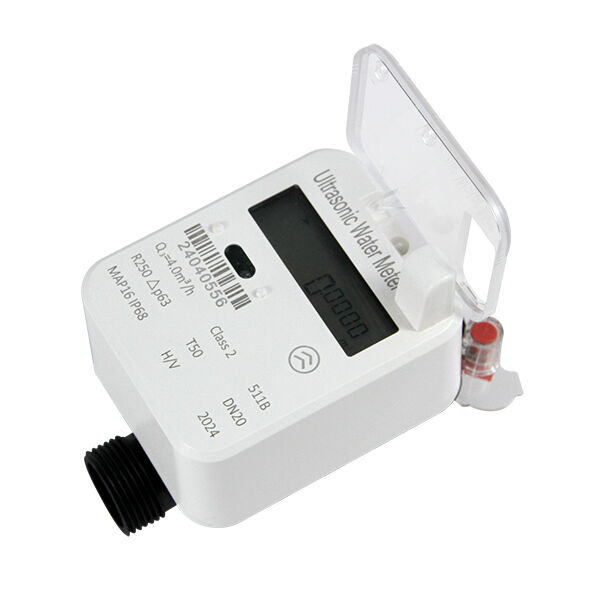
Urban Deployment Challenges for LoRaWAN Water Meters
Signal attenuation poses critical barriers to LoRaWAN water meter deployment in dense urban areas. Underground infrastructure—including basements, valve chambers, and cast-iron pipe networks—severely degrades RF signals. Metal pipes reflect radio waves, while concrete and soil absorb them, creating formidable connectivity barriers.
Empirical packet loss: 42–67% in underground infrastructure (IEEE IoT Journal, 2023)
Water meters placed underground just don't perform reliably according to field research. A study published in the IEEE IoT Journal back in 2023 found that between 42 and 67 percent of data gets lost during testing in city environments, especially when meters are located inside those concrete valve boxes or down in building basements near utility equipment. These gaps in reliability really mess things up for accurate leak detection, cause problems with customer bills, and lead to all sorts of false alarms because the signals keep dropping out now and then. That's why we need better ways to handle signal transmission if these systems are going to work properly despite all the obstacles from surrounding structures.
Technical Matching: Optimizing LoRaWAN Water Meter Specifications for Urban Environments
Link budget tuning: Antenna gain, spreading factor, and TX power trade-offs for subterranean deployment
Optimizing LoRaWAN water meters for urban infrastructure requires precise link budget adjustments to overcome signal degradation in challenging environments like basements and utility tunnels. Three critical parameters demand careful balancing:
- Antenna gain (typically 2–5 dBi) must increase without exceeding physical size constraints of meter housings
- Spreading factor (SF7–SF12) should scale dynamically—higher SF values extend range but reduce data rates and battery life
- Transmit power requires region-specific calibration between +14 dBm (EU) and +20 dBm (US) to maximize penetration through soil and concrete while complying with regulatory limits
Looking at actual data from city installations shows that boosting antenna gain by 3 dB can actually improve packet reception rates between 18 and 22 percent within those old cast iron pipe systems. Meanwhile, when using adaptive spreading factor switching, packet losses drop dramatically from around 67% down to below 15% inside valve chambers. But there's a catch worth noting here too. Increasing transmission power by just +3 dBm ends up cutting battery life by roughly eight months, which is quite a big deal for all those meters running on batteries. Most successful projects have found ways around this problem through predictive path loss modeling techniques. They basically figure out ahead of time what settings work best depending on how deep something gets installed and what kind of materials surround it. This approach helps get over 90% successful uploads even in older urban areas where things were never designed with wireless connectivity in mind.
Proven Implementation: Retrofitting Legacy Networks with Class B LoRaWAN Water Meters
Barcelona case study: GIS-driven infrastructure mapping and soil conductivity analysis
When it comes to upgrading old water networks, Barcelona took the lead by implementing Class B LoRaWAN water meters throughout their system. They started with detailed GIS mapping covering around 1,200 kilometers worth of underground pipes. Their digital twin strategy brought together information about soil conductivity and how signals penetrate buildings, which helped them spot 57 problem spots where cast iron pipes and basements were messing up the signal strength. Engineers looked at electromagnetic properties across various types of ground layers and found the best places to put gateways near apartment blocks but stayed away from spots with metal interference issues. Research showed that areas with lots of clay cut down on signal range by almost 40%, so they had to adjust frequencies based on local conditions. This careful planning before installation made sure meters were placed correctly, cutting down packet loss from the usual 67% seen in networks without such optimization.
Results: 91% uplink success via gateway densification and adaptive data rate (ADR)
When Barcelona rolled out their GIS-based deployment plan for water meters, they saw impressive results - 91% successful uplinks across all 15,000 LoRaWAN devices installed, which was nearly double what they got during testing phase. What made this possible? Well, they added more gateways in areas where signals struggled, boosting coverage density almost four times over. At the same time, they implemented smart algorithms that adjusted how data rates worked depending on actual signal conditions at any given moment. The system would boost transmission strength when there was lots of interference but still kept batteries going strong for about ten years thanks to those 99% efficient sleep cycles. All these improvements meant fewer repeated data attempts (down by 76%) and much better leak detection accuracy down to around 15 meters away. Local authorities reported that within just one billing period after installation, the city saved 23% less water loss compared to before, proving that Class B operations work well even for critical water systems.
Future-Ready Coverage: Hybrid Topologies for Reliable LoRaWAN Water Meter Networks
Mesh-assisted relays in high-rise residential zones to overcome building penetration loss
Signal loss through buildings continues to be a major problem for LoRaWAN water meters in dense city areas. Concrete walls and steel frameworks can really knock down transmission strength by anywhere from 20 to 40 decibels. That's why some companies are installing mesh relays in places like elevator shafts or utility risers. These relays act as repeaters, creating multiple paths around obstacles that block direct signals. When meters sit deep inside buildings, say in basement mechanical rooms or behind thick walls, relay nodes pick up their weak signals and send them back out stronger. This setup means we don't need as many expensive gateways and cuts down on lost data packets by roughly 70% in tall buildings. Most installers find that spacing relays every three to five floors works best when they account for how radio waves actually behave in different types of construction. Plus, since mesh networks can reroute traffic automatically if one part fails, maintenance teams don't have to worry about service interruptions from meters stuck in those hard to reach spots, all without spending extra money on hardware.
Actionable Selection Framework for Municipal LoRaWAN Water Meter Deployment
Step 1: RF site survey using ultrasonic pipe-access probes and urban path-loss modeling
A proper RF site survey forms the base when setting up LoRaWAN water meters in complicated city environments. Using ultrasonic devices on pipes allows engineers to see what's going on below ground without digging anything up. These tools spot things that block signals such as old cast iron pipes or those reinforced concrete boxes we all know too well. At the same time, path loss models help figure out how badly LoRaWAN signals weaken as they travel through tall buildings and down into underground valve rooms. The model takes into account different materials and landscape features. When combined, these methods show exactly where there are problems with signal strength, especially around basements where packet loss often goes over 30%. This information helps decide where to put gateways based on actual data instead of guesswork. City workers save money this way because they can fix potential connection problems before they become expensive headaches, thanks to detailed maps showing obstacles at millimeter level accuracy and simulations about signal weakening.
FAQ Section
What are the main challenges of deploying LoRaWAN water meters in urban environments?
Signal attenuation is a significant challenge in dense urban environments. Factors such as metal pipes and underground infrastructure reflect or absorb RF signals, creating connectivity barriers.
How can the link budget be optimized for LoRaWAN water meters in cities?
Optimizing antenna gain, dynamically adjusting the spreading factor, and calibrating transmit power region-specifically are key strategies for improving signal penetration in urban settings.
What success did Barcelona achieve with their LoRaWAN water meter deployment?
By implementing a GIS-driven deployment strategy, Barcelona achieved a 91% uplink success rate, thanks to increased gateway density and adaptive data rate strategies.
Why are mesh-assisted relays important for LoRaWAN networks?
Mesh relays help bypass signal loss in high-rise buildings by acting as repeaters, creating alternative paths for blocked signals, thereby reducing the need for additional gateways.
How do RF site surveys assist in LoRaWAN installation?
RF site surveys, using tools like ultrasonic pipe-access probes and urban path-loss models, effectively identify signal barriers, making it easier to plan and position gateways strategically.
Table of Contents
- Urban Deployment Challenges for LoRaWAN Water Meters
- Technical Matching: Optimizing LoRaWAN Water Meter Specifications for Urban Environments
- Proven Implementation: Retrofitting Legacy Networks with Class B LoRaWAN Water Meters
- Future-Ready Coverage: Hybrid Topologies for Reliable LoRaWAN Water Meter Networks
- Actionable Selection Framework for Municipal LoRaWAN Water Meter Deployment
-
FAQ Section
- What are the main challenges of deploying LoRaWAN water meters in urban environments?
- How can the link budget be optimized for LoRaWAN water meters in cities?
- What success did Barcelona achieve with their LoRaWAN water meter deployment?
- Why are mesh-assisted relays important for LoRaWAN networks?
- How do RF site surveys assist in LoRaWAN installation?