
 EN
EN
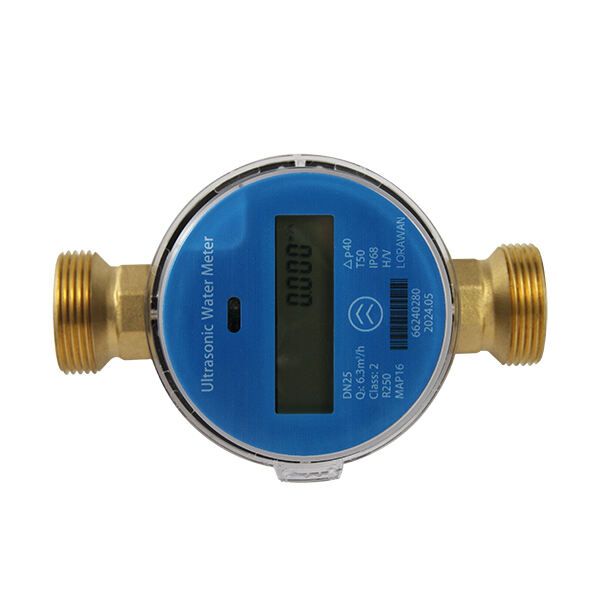
Understanding Heat Meter Compliance with Centralized Heating Standards
MID Class 2 and EN 1434: Key Standards for Billing-Grade Heat Meter Accuracy
Heat meters reach billing grade accuracy when they follow MID Class 2 and EN 1434 standards, which work together across many countries. MID Class 2 means the meter stays within plus or minus 2% accuracy when measuring heat energy during changing flow rates. The EN 1434 standard goes further, setting strict rules for how temperature sensors need to pair up (with just 0.1 degree Celsius variation allowed), making sure calculations stay consistent over time, and preventing problems caused by temperature changes affecting readings. Field tests done in 2024 showed that meters fully meeting EN 1434 specs actually maintain their accuracy 18% better in the long run than those without proper installation. Think about this: in big heating networks, something as small as 1% measurement error adds up to around 740 thousand pounds lost each year according to Ponemon's research from last year. That's why sticking to these standards matters so much for both money management and staying compliant with regulations.
Role of Heat Meters in Meeting Energy Efficiency and Regulatory Requirements
Beyond accurate billing, compliant heat meters are strategic enablers of energy efficiency and regulatory alignment—particularly with the EU Energy Efficiency Directive’s requirement for consumption-based cost allocation. Their calibrated data supports three key functions:
- Energy audits, revealing 12–15% avoidable waste in non-optimised systems
- Carbon reporting under the UK’s Streamlined Energy and Carbon Reporting (SECR) framework
- Building certifications, including BREEAM, where submetering contributes up to 15% of the energy category score
When integrated with automated control systems, this data-driven insight helps reduce average heating costs by 23% in multi-tenant buildings—turning compliance into operational advantage.
UK Heat Network Regulations and Mandatory Heat Metering Requirements
MID (Measuring Instruments Directive) Approval: A Core Requirement for Heat Meters
Getting MID approval is actually a must-have legal requirement for all heat meters installed in UK heat networks when it comes to billing customers properly. This framework originally came from EU regulations and sets out strict Class 2 accuracy standards with a ±2% tolerance margin. The reason? To keep things fair and stop money disappearing through the system. We're talking about serious losses here – around €740 million every year across Europe according to Ponemon's 2023 report because some devices just don't meet these standards. Heat meters without proper MID certification can't be used for allocating costs legally, which puts suppliers at risk of getting hit with enforcement actions under those Heat Network regulations from 2014. The certification process itself requires independent lab tests on various components like flow sensors, temperature probes working together, and the calculation units too. These tests cover everything from normal operations right up to extreme conditions including high flow rates, temperature extremes, and significant pressure differences. Even though there's no legal need to recalibrate after installation, MID regulations still insist on regular checks to make sure accuracy stays within acceptable limits over time.
Installation Compliance: Meeting UK Heat Network Metering Standards
Installation quality is inseparable from regulatory compliance—poor placement or execution can invalidate MID certification and compromise measurement integrity. UK regulations, aligned with BS EN 1434, require strict adherence to three core criteria:
- Positioning: Meters must be installed on the flow (not return) pipe, with minimum straight-pipe runs of 10 pipe diameters upstream and 5 downstream to ensure laminar flow
- Insulation: Uninsulated meter bodies introduce 4–7% measurement drift due to ambient heat exchange, breaching EN 1434’s thermal loss thresholds (BRE 2023)
- Accessibility: Billing-grade meters must allow maintenance without system shutdown—ensuring verifiability and audit readiness
Non-compliance triggers OFGEM scrutiny and may void certification. Suppliers must retain documented evidence of installation protocols conforming to BS EN 1434 hydraulic and thermal guidelines.
Building Classifications and Their Impact on Final Customer Heat Metering
Viable, Open, and Exempt Buildings: Metering Obligations Under Amended Regulations
The revised Heat Network (Metering and Billing) Regulations apply a tiered classification system to determine metering obligations:
- Viable buildings—where installation is technically feasible and cost-effective—require mandatory heat metering. These typically include high-density residential blocks, student accommodation, and mixed-use developments with significant thermal demand.
- Open buildings, such as new constructions or major refurbishments, must comply with current standards unless technical constraints (e.g., inaccessible pipework or structural limitations) make retrofitting genuinely unfeasible.
- Exempt buildings, like listed heritage structures with incompatible infrastructure or low-consumption ancillary buildings, may qualify for exemption—but only after formal assessment and justification demonstrating disproportionate cost or technical barrier.
This pragmatic, risk-based approach balances regulatory rigour with practical implementation—ensuring accountability without imposing undue burden.
How Building Type Influences Heat Meter Selection and Regulatory Acceptance
Building function, age, and thermal profile directly shape meter specification and acceptance pathways:
- Residential complexes rely on submetering for fair, transparent tenant billing—requiring EN 1434-compliant accuracy within ±5% and robust tamper resistance.
- Commercial buildings, especially those targeting sustainability credentials (e.g., NABERS, LEED), prioritise MID-certified meters with secure remote data transmission to support real-time HVAC optimisation and ESG reporting.
- Industrial facilities, often operating at elevated temperatures or in chemically aggressive environments, need ruggedised meters—typically ultrasonic or mechanical—with enhanced calibration intervals and material compatibility verification.
Regulatory acceptance hinges not just on certification, but on demonstrable alignment between meter capability and building-specific thermal dynamics. For example, older, poorly insulated stock may require compensating algorithms or secondary ambient sensors; newer, smart-enabled buildings integrate meters natively into BMS platforms—streamlining compliance and unlocking deeper energy intelligence.
FAQ
What is the importance of MID Class 2 in heat meters?
MID Class 2 ensures that heat meters maintain an accuracy level within ±2%, which is crucial for accurate billing and energy management.
Why is EN 1434 compliance necessary?
EN 1434 sets strict standards for temperature sensor pairing and calculation consistency, which enhances long-term accuracy and regulatory compliance.
Are heat meters without MID certification legal for billing purposes?
No, heat meters without MID certification cannot be legally used for billing as they do not meet required standards.
How does building classification affect heat metering obligations?
Building classifications determine the necessity and practicality of heat metering installations, balancing feasibility, cost, and regulatory compliance.