
 EN
EN
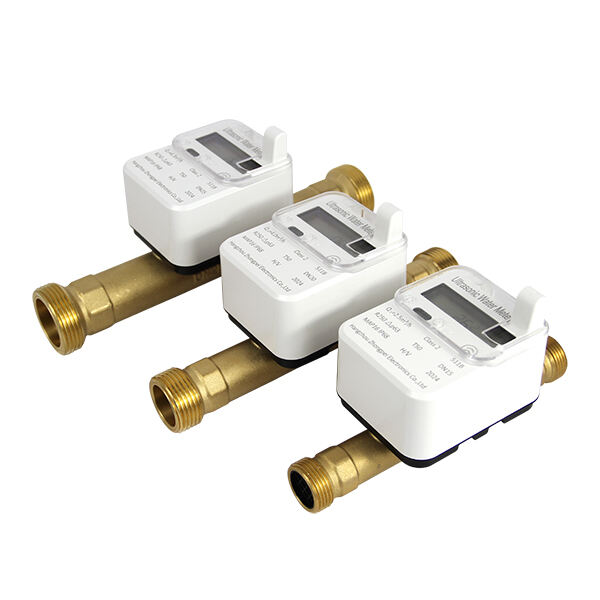
Why Municipalities Are Adopting Wireless Water Meters
Cities across the country are dealing with big problems as their old pipes and systems wear out, populations keep growing, and water becomes harder to come by because of climate changes. The old way of checking water meters manually takes way too much time, costs a fortune, and people often make mistakes when doing it by hand, which means leaks go unnoticed longer and bills aren't always right. Wireless water meters tackle all this by sending data automatically through special networks such as LoRaWAN or NB-IoT. No need for anyone to physically check each meter anymore. According to industry reports, this can cut down on operating expenses somewhere around 30% and save massive amounts of wasted water that never gets billed. Take a look at what's happening in America: the Environmental Protection Agency says about 2.1 trillion gallons slip away every year through broken pipes, costing utilities roughly $740,000 each day according to research from Ponemon Institute in 2023. With remote monitoring systems in place, water companies get detailed information about how much water everyone actually uses, giving them better control over their resources and helping them spot issues faster than ever before.
- Pinpoint leaks within hours instead of months
- Implement dynamic pricing models
- Forecast demand using AI-driven analytics
- Enhance regulatory compliance through auditable usage data
Cities like Las Vegas reduced water waste by 20% within 18 months of deploying wireless metering. With 60% of urban water infrastructure exceeding 50 years old, the shift to smart networks isn’t optional—it’s critical for sustainable resilience.
Core Technologies Enabling Reliable Wireless Water Meter Deployment
Low-Power Wide-Area Networks (LPWAN): LoRaWAN, NB-IoT, and Sigfox for Long-Range Coverage
LPWAN technology makes it possible to deploy large scale infrastructure while keeping batteries alive for over a decade per device and still getting signals through thick city walls. Take LoRaWAN, NB-IoT, or Sigfox for instance these systems send encrypted usage data across miles on almost no power at all, which works great when cities need to monitor tens of thousands of devices throughout their territory. The gateways themselves often sit atop water towers or government buildings collecting data from packed urban areas all the way out to isolated farms. One LoRaWAN gateway alone handles everything from skyscrapers with fifteen floors down to sprawling properties covering fifty acres without needing those costly repeater setups everywhere. What's really impressive is how these systems maintain secure links to cloud servers with less than 1% data loss rate, something that holds true even inside buildings made mostly of concrete and steel where other signals tend to die.
Meter Hardware Integration: Ultrasonic vs. Electromagnetic Wireless Water Meters
The type of hardware used in water meters really affects how accurate measurements are and what kind of maintenance they need over time, especially when dealing with different water qualities. Ultrasonic meters work by measuring how long sound waves take to travel through the water, giving around plus or minus 1.5 percent accuracy. These don't have any moving parts which makes them great for homes with clean water supplies. Some top models can actually spot when someone is using as little as 0.01 gallons per minute, so plumbers can find those tiny leaks behind toilets or under shower heads before they become big problems. For places like farms or factories where water might contain dirt particles or have changing electrical properties, electromagnetic meters tend to perform better. They use something called Faraday's Law to track volume accurately even in tricky conditions. Most modern systems now come with built-in LPWAN radio technology that sends secure information about flow rates and unusual events to the cloud. This allows city officials and facility managers to monitor their entire water network in real time from anywhere.
Building a Scalable Remote Reading Infrastructure
Gateway Placement, Network Topology, and Data Aggregation Strategies
Where we place these gateways really matters for making sure wireless water meters work reliably across entire cities. Most utility companies try to get good coverage in busy urban areas by putting gateways on tall things like water towers. This usually gets about 90-95% signal reach in crowded neighborhoods, though there are always some tricky spots left. The networks often use a mix of different setups too. Critical points might have direct connections while other parts form interconnected webs that back each other up. This helps avoid total system failure if one part goes down and saves power at the same time. At local substations, special computers process raw meter data before sending it along. This cuts waiting times by roughly 40% and means less data has to travel long distances. The whole layered system works surprisingly well when expanding to cover thousands of meters throughout a city, keeping track of usage details every 15 minutes or so without losing accuracy.
Interfacing Wireless Water Meters with SCADA and Cloud-Based Utility Platforms
Integration with existing infrastructure occurs through standardized protocols like MQTT and Modbus, enabling bidirectional communication between wireless water meters and Supervisory Control and Data Acquisition (SCADA) systems. Cloud platforms ingest this data via RESTful APIs, transforming raw consumption metrics into actionable insights through:
- Automated leak detection algorithms pinpointing anomalies within 2 hours
- Predictive maintenance alerts reducing repair costs by 30%
- Dynamic demand forecasting models with 92% accuracy
This unified interface eliminates silos, allowing utility operators to monitor pressure zones in SCADA dashboards while leveraging cloud analytics for long-term infrastructure planning.
Measurable ROI: Operational Efficiency and Leak Management Gains
Municipalities adopting wireless water meters achieve rapid operational efficiency gains by eliminating manual meter reading. Utilities typically reduce field crew deployment by 30–50%, redirecting personnel to higher-value maintenance and customer service tasks. This automation also enables near-real-time consumption monitoring, allowing faster billing cycles and reducing revenue leakage from estimation errors.
Advanced leak management delivers some pretty impressive returns on investment. Wireless monitoring systems catch unusual flow patterns much quicker than old fashioned approaches, often spotting leaks around 70 percent faster according to industry reports. Getting ahead of these issues before they become major problems saves cities a ton of money. When pipes burst, the costs pile up fast with repairs and lost water running into hundreds of thousands of dollars for each incident. Many water companies now combine pressure sensor readings with their existing meter information to spot trouble spots in the network well in advance. This proactive approach has helped cut down on wasted water that doesn't get billed, reducing losses somewhere between 15 and 25 percent every year across different regions.
| Benefit Category | Operational Impact | Financial ROI Driver |
|---|---|---|
| Labor Efficiency | 80% reduction in manual readings | Lower payroll/contractor costs |
| Leak Response | 4x faster detection | Avoided repair costs + water recovery |
| Billing Accuracy | Near-elimination of estimations | Reduced disputes + revenue assurance |
Long-term ROI extends beyond direct savings: conserving water resources builds community resilience while deferred capital expenditures on emergency repairs free budgets for system-wide upgrades. This positions wireless metering not as an expense, but as a self-funding infrastructure modernization.
FAQ
Why are wireless water meters beneficial for municipalities?
Wireless water meters provide real-time data, reduce operation costs, and help quickly identify leaks, reducing water wastage and improving billing accuracy.
What technologies are used in wireless water meters?
Technologies like Low-Power Wide-Area Networks (LPWAN), LoRaWAN, NB-IoT, and Sigfox are used for reliable data transmission and extended battery life.
How does remote monitoring with wireless meters support leak detection?
Remote monitoring systems utilize automated algorithms to pinpoint anomalies quickly, allowing leaks to be detected within hours rather than months.
What is the return on investment (ROI) for adopting wireless water meters?
The ROI includes operational efficiency, reduced labor costs, faster leak detection, and improved billing accuracy, which contribute to substantial financial savings over time.
Are there differences between ultrasonic and electromagnetic water meters?
Yes, ultrasonic meters are more accurate for clean water supplies, while electromagnetic meters work better in environments with dirt particles or changing electrical properties.
Table of Contents
- Why Municipalities Are Adopting Wireless Water Meters
- Core Technologies Enabling Reliable Wireless Water Meter Deployment
- Building a Scalable Remote Reading Infrastructure
- Measurable ROI: Operational Efficiency and Leak Management Gains
-
FAQ
- Why are wireless water meters beneficial for municipalities?
- What technologies are used in wireless water meters?
- How does remote monitoring with wireless meters support leak detection?
- What is the return on investment (ROI) for adopting wireless water meters?
- Are there differences between ultrasonic and electromagnetic water meters?