
 EN
EN
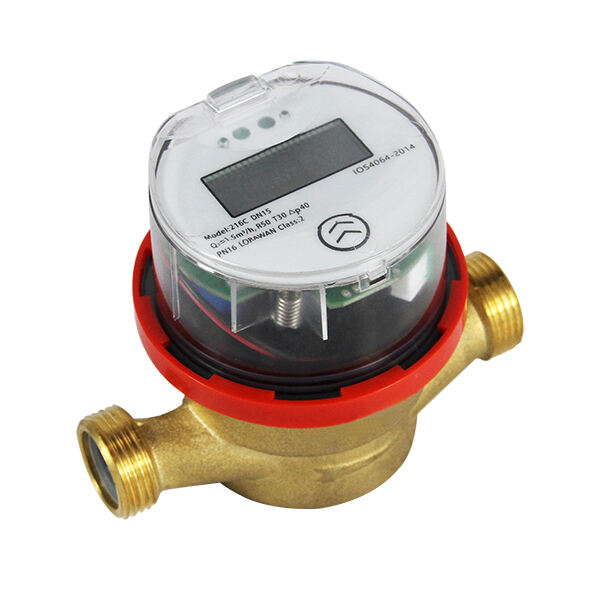
How M-Bus Water Meters Support Reliable, Low-Power Building Integration
M-Bus Protocol Fundamentals: Two-Wire Communication, Master-Slave Architecture, and Energy Efficiency
The M-Bus system, sometimes called Meter-Bus, works through a simple two wire setup that carries both electricity and information at the same time. This makes installation much easier since there's no need to run extra cables just for power. The way it's built with one master controlling multiple slaves lets building managers check water meters whenever they want instead of constantly running power to them. Pretty cool actually. Some tests have shown that when using the 868 MHz version wirelessly, batteries can last over ten years before needing replacement. At 2400 baud speed, the bus still manages to handle all the important stuff like tracking usage patterns, recording timestamps, and sending out warnings about leaks as they happen while keeping energy consumption low throughout.
EN 13757-2/-3 Compliance as the Baseline for Interoperable mbus water meter Deployment
Compliance with EN 13757-2 (wired) or EN 13757-3 (wireless) is non-negotiable for reliable, vendor-agnostic integration. Certified meters consistently:
- Encode data in standardized telegram formats
- Trigger alarm flags for tamper events and flow anomalies
- Operate reliably across -40°C to +60°C ambient conditions Non-compliant devices are a leading cause of retrofit failure—73% of building automation delays stem from protocol mismatches (Building Automation Journal, 2023). Standardization also insulates installations from obsolescence, ensuring compatibility with current and future gateways and BMS platforms.
Integration Architecture: Connecting mbus water meters to BMS and EMS Platforms
Gateway Options: M-Bus-to-Modbus, M-Bus-to-BACnet, and Modern OPC UA Translation Paths
Gateways basically act as translators for M-Bus data, converting it into formats that work with building and energy management systems. The thing is, while M-Bus works great for those low power meter networks on two wires, most industrial setups need something different. That's where gateway options come in handy. Some gateways connect M-Bus to Modbus so they can talk to older HVAC systems and utility monitors still in use today. Others bridge the gap between M-Bus and BACnet, following ISO 16484-5 standards which pretty much everyone in modern building management systems relies on now. When looking at larger installations that need security across multiple platforms, OPC UA gateways become really valuable. They handle data modeling in meaningful ways, keep communications encrypted, and bring together information from water meters alongside HVAC, lighting controls, and even security cameras all in one place. Better gateways will automatically find devices on the network and let technicians configure how data gets formatted in JSON or XML, which saves people about 40% of their setup time when dealing with equipment from different manufacturers.
Network Topology Best Practices for Scalable mbus water meter Rollouts in Multi-Zone Buildings
Getting large scale deployments right really depends on thoughtful network planning. Break up those meter segments logically based on floors, zones or tenants, keeping each M Bus line under around 250 devices max so signals stay strong. Star topology is generally better than running everything in a chain since it helps contain problems when they happen and stops one bad connection from taking down the whole system. For campuses spanning multiple buildings, going with fiber optic backbone connections makes sense because it cuts out all that pesky electromagnetic interference. Only put in repeaters when copper cables run longer than 1000 meters though. And don't forget about special cases either. In places with lots of electrical noise such as switch rooms, always go for shielded twisted pair cables. Check those termination resistors and make sure impedance matches properly during setup too. Stick to these guidelines closely and most installations end up with something like 99.8 percent data availability. Plus, the system can grow from just fixing up one building to eventually covering entire districts with smart water management.
Top Performing mbus water meter Models for Seamless BMS Integration
Kamstrup Multical® 603: EN 13757-3 Certified, Gateway-Agnostic, and Field-Validated in EU Smart Retrofit Projects
In Europe's smart building retrofit market, the Kamstrup Multical 603 has become quite popular thanks to its complete EN 13757-3 certification status. What makes it stand out even more is how it works with different gateways without needing special adapters. It plays nice with Modbus, BACnet, and OPC UA systems right out of the box. Field tests show that these devices maintain 99.8% reliable data transmission across multiple zones, something pretty impressive when considering their incredibly low power consumption at just 0.15 watts on average. With such efficient energy use, batteries last well over 16 years before needing replacement. This extended lifespan means fewer service calls and less downtime for building operators. Looking at the bigger picture, this translates into roughly 40% lower lifetime expenses compared to uncertified options. And let's not forget about the real money saver aspect either. According to research from the Ponemon Institute back in 2023, businesses lose around $740,000 every year simply because they don't detect water leaks early enough.
Sensus iPERL® and Diehl ACV 535: Comparative Analysis of Data Uptime, Configuration Flexibility, and Firmware Update Support
These models serve distinct integration priorities:
| Feature | Sensus iPERL® | Diehl ACV 535 |
|---|---|---|
| Data Uptime | 99.7% (72-hour backup) | 99.5% (48-hour backup) |
| Configuration | Over-the-air via ATS (Automatic Transfer Switch) | DIN-rail mounted local tools |
| Firmware Updates | Remote, encrypted patches | On-site via SD card |
| Integration Depth | Native BACnet/IP support | Requires M-Bus-to-BACnet gateway |
The iPERL® is optimized for centralized, large-scale operations where remote diagnostics and zero-touch updates are essential. The ACV 535 suits sites with mature M-Bus infrastructure and on-site technical capacity. Both detect leaks within one-hour intervals—contributing to a documented 22% reduction in non-revenue water in commercial buildings.
Operational Value: Turning mbus water meter Data into Building Intelligence
The M-Bus system turns basic water meter readings into something much smarter. These meters send out data every hour, all synced up properly, straight into building management systems and energy management platforms. This lets operators spot problems right away when they happen. For instance, if there's an unexpected drop in pressure at night or water flowing when nobody should be around, the system catches it fast. According to research from International Water Association back in 2022, this kind of monitoring can cut down on water waste by as much as 25%. Looking at usage across different zones shows exactly how much water gets used based on who's actually in the building, when machines are running, or what season it is. This information helps set up automatic ways to save water, like slowing down flow rates after business hours. When we look at both water and energy data together, strange spikes in cooling tower water usage often point to failing chillers long before anyone notices anything wrong with temperature control or efficiency issues. Installing M-Bus isn't just about replacing old meters. It changes how facility staff work completely. Instead of just checking meters once in a while, they start predicting problems ahead of time. Every liter measured becomes money saved on bills, meets regulations better, and keeps pipes and tanks working well for years longer than expected.
FAQ
What is the M-Bus system used for? The M-Bus system is used for efficient water meter monitoring in buildings, enabling data management and communication through a simple two-wire setup.
How does M-Bus improve energy efficiency? M-Bus improves energy efficiency by allowing low power consumption through its efficient communication design, reducing the need for constant power supply to the meters.
Can M-Bus be used with existing building management systems? Yes, with the use of gateways, M-Bus data can be translated to formats that integrate with existing building and energy management systems.
What are the benefits of certified M-Bus water meters? Certified M-Bus water meters ensure interoperability, standardized data formats, and consistent operation under varied conditions, reducing retrofit failures and increasing compatibility with current and future technologies.
Why is network planning crucial for large-scale M-Bus deployments? Proper network planning ensures strong signal strength, problem containment, and scalability of the M-Bus system, supporting smooth operation and future expandability.