
 EN
EN
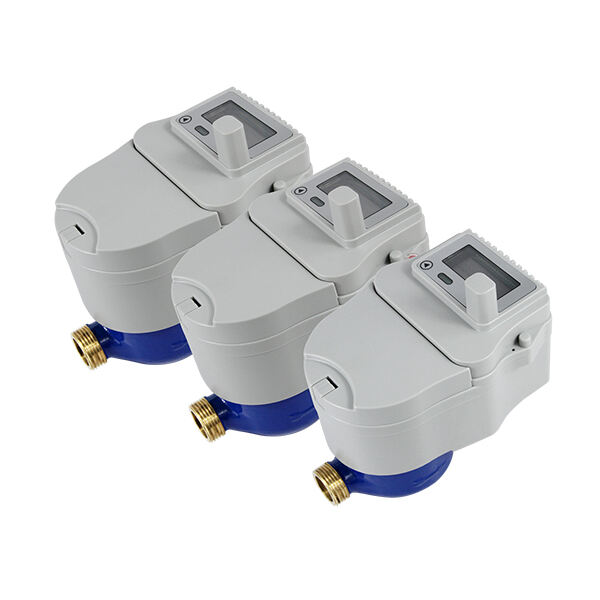
דרישות טכניות עיקריות להתאמה אישית של מדידת מים LoRaWAN
עיצוב חומרה נמוך צריכת אנרגיה (ULP): איטום IP68, ממשקים לפולסים/Modbus, ואופטימיזציה של משך חיי הסוללה
האמינות של מדדי המים של LoRaWAN תלויה באמת ברכיבי חומרה בעלי צריכת הספק נמוכה ביותר בליבה שלהם. כשמדובר בסביבות ההתקנה, החסימה לפי דרגת הגנת IP68 יוצרת את כל ההבדל, מאחר שמדדים אלו חייבים לשרוד טביעה במים בעומק של עד 1.5 מטר. סוג זה של הגנה הופך לכרח מוחלט כאשר עוסקים באזורים הירודים לסכנת הצפה או באזורים שבהם המדרים מותקנים מתחת לפני הקרקע. יציאות פולסים מתאימות מצוין להתחברות ישירה למערכות ניהול בניינים ישנות, ללא קושי רב. ואל תשכחו גם את התמיכה ב־Modbus RTU ASCII, אשר מאפשרת תקשורת תקינה בין הציוד בתחנות משאבות ובמרכזי טיפול במים ברחבי התעשייה.
אורך תקופת הפעולה של הסוללות תלוי באמת בטכניקות חכמות لإدارة האנרגיה. לדוגמה, מכשירים ששולחים נתונים פעם בשעה אחת יכולים לעתים קרובות לפעול כעשרה שנים כאשר הם מונעים על ידי תאי ליתיום-תיאוניל כלוריד שמתמודדים היטב עם שינויים בטמפרטורה. הטריקים העיקריים בעיצוב מערכות אלו כוללים התאמת צריכת החשמל במהלך תקופות השידור הקצרות, העברת המכשיר למצב שינה עמוקה שצורך פחות מ-2 מיקרואמפר כשאינו פעיל, וודאות שהמעגלים לא מבזבזים אנרגיה דרך דליפות מיותרות. כל הגישות הללו עוזרות למנוע כשלים מוקדמים בשטח, מה שחשוב מאוד כי החלפת ציוד שנכשל אינה זולה בכלל. לפי מחקר של מכון פונמון משנת 2023, חברות מוציאות כ-740,000 דולר מדי שנה רק על טיפול בלוגיסטיקה של החלפות בחלק מהענפים.
גמישות בפירמהוואר: תמיכה ב-ABP לעומת OTAA ואינטגרציה של סטאק LoRaWAN מוכן לייצור
ארכיטקטורת התוכנה הלאומית קובעת את האינטראקציה ההדדית והעמידות לאי-תאמונים בטווח הארוך. תמיכה הן ב-ABP (הפעלה על ידי אישור אישי) והן ב-OTAA (הפעלה דרך האוויר) מאפשרת אסטרטגיות triểnת מותאמות – ABP עבור תשתיות קבועות וסיכון נמוך; OTAA לסביבות דינמיות ובעלת אבטחה גבוהה הדורשות החלפת מפתחות תכופה.
כדי שמערכת LoRaWAN תהיה מוכנה לפריסה אמיתית על רצפת המפעל, יש לכלול בה שלושה רכיבים בסיסיים. ראשית, יש לעמוד בדרישות התאימות לאזור התחנות – אזורים כמו EU868, US915 ו-AS923 דורשים אישור תקינה מתאים לפני הפעלה. שנית, יש לשלב אלגוריתמים מתאמים לקצב העברת הנתונים (ADR), אשר עוזרים לנהל את השימוש בזמן האוויר תוך מניעת עומס ברשת. ולבסוף, עדכוני תוכנה מאובטחים דרך האוויר (OTA) הם חיוניים לחלוטין לשמירה על שלמות ההתקן. כאשר יצרנים מדלגים על האימות הנאות של יישום המערכת שלהם, בעיות מתחילות להופיע במהרה. צפינו בהתקנים עם מערכות לא מאומתות שסבלו מקצב אבדן חבילות גבוה ב-20–25% יותר בסביבות עירוניות צפופות. סוג זה של בעיה בביצועים הופך למקור דאגה משמעותי בשלב ההתפשטות, ולעיתים קרובות דורש החלפת ציוד יקרת ערך לאחר שהשלבים הראשוניים של הבדיקה כבר הסתיימו.
יכולות של יצרני ציוד מקורי (OEM) המבטיחות פריסת מדידת מים מבוססת LoRaWAN אמינה
אימות LoRaWAN® והתאמות לתדרים אזוריים (EU868, US915, AS923)
השגת אימות LoRaWAN® אינה רק תוספת נוחה — היא דרישה חובה אם ברצוננו שמכשירינו יפעלו כראוי ברשתות ברחבי העולם ויעמדו בתקנות. התדרים חייבים להתאים לאזורי היעד הספציפיים. לדוגמה, באירופה משתמשים בתדר EU868, בצפון אמריקה בתדר US915, ובאזור אסיה-פסיפיק בתדר AS923. כאשר מכשירים מנסים לפעול על פסי תדרים שגויים, הם יסבלו מבעיות חיבור מתמשכות ואף עלולות להיגרם עיצומים על ידי רגולטורים ממשלתיים האחראים על השימוש בטווח הרדיו. ציוד חומרה שעבר את האימות עובר בדיקות קפדניות בתנאי אמת. חשוב לחשוב כיצד אותות מופרעים בין בניינים במרכזים עירוניים או מחלשים בעת מעבר דרך קירות בטון במנהרות תשתית תת-קרקעיות. בדיקות אלו מבטאות כי הנתונים יישלחו באופן מהימן ומהיר, ללא תלות במיקום שלהם בתוך מערכות ניהול המים.
פרמטרים שניתנים להגדרה בשטח ועדכונים מאובטחים של תוכנת הפעלה דרך האוויר (FOTA)
היכולת להתאים את המערכת לאחר ההתנהלות היא מה שהופך מערכות מדידה לאינטליגנטיות באמת במציאות. כאשר חברות תועלת יכולות לערוך התאמות כגון תדירות של דיווחים, לקבוע רמות שונות לזיהוי דליפות או לשנות את רגישות האזעקות, אינן נזקקות לשלוח טכנאים בכל פעם שמתעורר צורך בתיקון. שילוב ההתאמות האלה בשטח עם עדכוני תוכנת הפעלה מאובטחים דרך האוויר מעניק למנהלים יתרונות ממשיים. הם יכולים לסגור חורי אבטחה באמצעות הצפנה, לעדכן מערכות כדי לעמוד בתקנות חדשות, למשל בתחום הגנת הנתונים, ואף להוסיף תכונות חדשות — הכל מרחוק, ללא צורך במגע פיזי עם החומרה. מבחני שטח שנערכו במספר חברות תועלת מצאו שגמישות מסוג זה מקטינה את קריאות השירות בקרוב לשליש שניים. כלומר, עלות נמוכה יותר בכלל ותפוקה מהירה יותר על ההשקעה עבור ספקים של מים וגז שאמצו מערכות מתאימות כאלה.
אינטראביליות ואינטגרציה: הגשת מד המים של LoRaWAN לעבודה במערכות אמיתיות
פתרון מטען מועיל סטנדרטי (CayenneLPP), שער API, ושיתוף פלטפורמות ענן
הבסיס של התאמה הדדית נמצא באופן שבו הנתונים מארזים ברמת ה־payload. CayenneLPP, הידוע גם בשם Low Power Payload, הפך כמעט לסטנדרט התעשייתי בפורמט מידע של חיישנים. זה כולל דברים כמו מדידות זרימה כוללת, קצב זרימה נוכחי, רמות סוללה והאם מישהו פגع בהתקן. מה שמייחד את CayenneLPP הוא שהוא ארז את כל המידע הזה באיזור קטן שעובד ללא קשר ליצרן של הציוד. כאשר חברות אומצות את הסטנדרט הזה, הן אינן צריכות לכתוב קוד מיוחד רק כדי לקרוא את הנתונים ממערכות שונות. זה חוסך זמן, משום שקיימת פחות פרגמנטציה בנתונים הנכנסים דרך הרשתות. מבלי שיהיה צורך לתקן ידנית פורמטים לא תואמים של נתונים, הצוותים יכולים לקבל החלטות מהר יותר במקום לחכות ימים או שבועות עד שכל הדברים יתאימו כראוי.
שערים חזקים ל- API פועלים כמתרגמים פרוטוקולים — הממירים הודעות של שכבת MAC של LoRaWAN ל- API מסוג RESTful או MQTT, התואמות מנועי אנליזה ארגוניים בענן. שכבת ההפשטה הזו מפרידה בין ציוד מדידות לעדכון הענן, ומאפשרת מעבר חלק בין פלטפורמות ללא צורך בשינוי בקוד הfirmware.
המסקנה היא שעבודה נNative עם פלטפורמות ענן גדולות לאינטרנט של הדברים (IoT), כגון AWS IoT Core, Microsoft Azure IoT Hub ו-Google Cloud IoT Core, היא קריטית ליישומים בעולם האמיתי. כאשר חברות משתמשות בממשקים מוכנים ומואשרים מראש במקום לבנות בעצמן חיבורים, הן חוסכות כ-40% בזמן triểnת ההתקנה, על פי דו"ח הביצועים החכם לשנת 2023 בתחום התשתיות. הפתרונות המוכנים מראש הללו מאפשרים לנתונים לזרום ישירות למערכות חיוב, למפות GIS המציגות נכסים וללוחות פיקוח מתקדמים מבוססי בינה מלאכותית שזוהים דליפות באופן אוטומטי. אין צורך בשכבות תשתית נוספות שמאטות את המערכת או יוצרות מחסומים נתונים מבודדים שלא ניתן לגשת אליהם כראוי.
מעבר לאישור: הערכת מוכנות לשותפות אמיתית עם יצרן ציוד מקורי (OEM) בפרויקטים של מדדי מים LoRaWAN
השגת אישור LoRaWAN היא רק קו הפתיחה, ולא בהכרח ראייה לכך שמישהו אכן מוכן לעבוד יחד על פרויקטים. מה שמראה באמת אם יצרן ציוד מקורי (OEM) יודע את דרכו – זה כיצד המהנדסים שלו מתמודדים עם בעיות כאשר המערכת נכנסת לפעולה בתנאי שטח ממשיים. חישבו על כל הקשיים הקטנים שלא מוזכרים מראש – למשל, התמודדות עם חסימת אותות על ידי בטון סביב קופסאות המדידות, שמירה על דיוק חיישני אולטרסאונד גם כאשר הטמפרטורה משתנה בין מינוס 25 מעלות צלזיוס לפלוס 70, או שמירה על דיוק מדידת הזמנים למרות בעיות באספקת החשמל מערכות חשמל עירוניות ישנות. אלו הרגעים שבהם המומחיות האמיתית חשובה ביותר.
היכולת לייצר בקנה מידה משתנה, אשר עומדת בתקנים של ארגון התקינה הבינלאומי (ISO), היא חשובה באותה מידה כמו כל דבר אחר בתהליך הייצור. יש לתמוך בכך באמצעות בדיקות מקיפות של הרכיבים הנכנסים למבנה, וכן מעקב תקין על מספרי הסדרות לאורך כל התהליך. כאשר חברות צריכות להגביר במהרה את נפח הייצור, אינן יכולות להרשות שכך יפגע בהיציבות של ההטיה (calibration) שלהן או יגרום לשונות בביצועי ה-RF בין סדרות שונות. הכנות לאודיטים רגולטוריים דורשת עמידה בסטנדרטים טובים של תיעוד. יצרנים צריכים לשמור רשומות מלאות של החומרים שהשתמשו בהם, לשמור דוחות בדיקות מפורטים בהתאם לתקנים כגון IEC 45001 ו-EN 14154, ולתעד את כל השינויים שנעשו בגירסאות התוכנה (firmware) לאורך זמן. רשומות אלו הופכות לקритיות בעת בדיקות ועוזרות להוכיח את ההתאמה לתקנות התעשייתיות.
מה שמבדיל באמת שותפים אסטרטגיים מספקים רגילים הוא החשיפה שלהם לאורך מחזור החיים של המוצר. חישבו על דברים כמו זמינות מובטחת של רכיבים למספר שנים רצופות, תוכניות ברורות לעדכוני תוכנה שמתאימים לתקנים של איחוד LoRa, וכן מערכות תמיכה שיכולות לחזות בעיות לפני שהן מתרחשות. יצרני הציוד המקורי המובילים מתחילים להשתמש בנתונים מתקלות מהעולם האמיתי (ללא חשיפת פרטי לקוחות) כדי לזהות מוקדם את דפוסי ההתעכלות. גישה זו מצמצמת את התיקונים הבלתי צפויים ב-60% בערך בהשוואה לתיקון ריאקטיבי מסורתי. כאשר חברות מיישמות גישה כזו קדימה, ההשקעות הראשוניות שלהן הופכות לידע תפעולי מתמשך. וזה מה שמייצר את כל ההבדל בעת הרחבת פתרונות מדידת מים מבוססי LoRaWAN ברשתות שירות כלליות שלמות, תוך שמירה הדוקה על תשואת ההשקעה.
שאלות נפוצות
מהו איטום IP68, ולמה הוא חשוב למדדי מים מבוססי LoRaWAN?
האטמה לפי דרגת הגנה IP68 מבטיחה שמונים למים מבוססי LoRaWAN מוגנים לחלוטין מפני אבק ויכולים להישאר טבועים במים בעומק של עד 1.5 מטר. זה קריטי למונים המותקנים באזורים היעודיים לשיטפונות או מתחת לרמת הקרקע.
איך פועלת אופטימיזציה של عمر הסוללה במונים למים אלו?
אופטימיזציה של عمر הסוללה כוללת שימוש בטכניקות חכמות لإدارة צריכת האנרגיה, כגון מצב שינה עמוקה ומזעור צריכת הסוללה בעת העברת נתונים, כדי להאריך את חיי הסוללה עד עשר שנים.
מה הם ABP ו-OTAA בהקשר לגמישות התוכנה?
ABP (הפעלה על ידי אישור אישי) ו-OTAA (הפעלה באוויר) הם שני שיטות להפעלת מכשירי LoRaWAN, המספקות אפשרויות triểnת תצורה מותאמות אישית לשימוש מאובטח ויעיל.
למה הכרת LoRaWAN® היא הכרחית?
הכרת LoRaWAN® מבטיחה שהמונים למים עומדים בדרישות התדר האזוריות, מה שמבטיח פעילות אמינה ומניע בעיות רגולטוריות.
איך תרומת CayenneLPP ליכולת האינטרופראביליות?
התקן הסטנדרטי CayenneLPP (תבנית נתונים נמוכה בצריכת החשמל) מתקינה את תבנית נתוני החיישנים, מה שמאפשר תקשורת קלה יותר בין מערכות שונות ללא צורך בקוד נוסף.
תוכן העניינים
- דרישות טכניות עיקריות להתאמה אישית של מדידת מים LoRaWAN
- יכולות של יצרני ציוד מקורי (OEM) המבטיחות פריסת מדידת מים מבוססת LoRaWAN אמינה
- אינטראביליות ואינטגרציה: הגשת מד המים של LoRaWAN לעבודה במערכות אמיתיות
- מעבר לאישור: הערכת מוכנות לשותפות אמיתית עם יצרן ציוד מקורי (OEM) בפרויקטים של מדדי מים LoRaWAN
- שאלות נפוצות