
 EN
EN
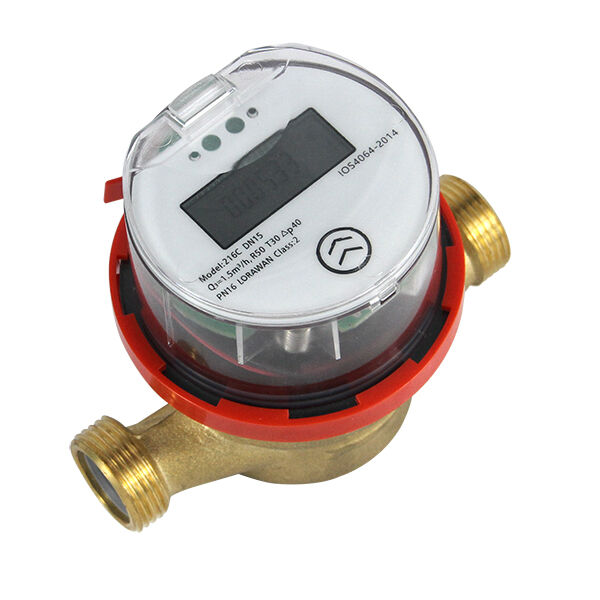
Chứng nhận và Tuân thủ Quy định: Cổng đầu tiên cho các nhà cung cấp đồng hồ đo nước trả trước
Chứng nhận ISO, MID và OIML — Những gì chúng đảm bảo về độ chính xác của đồng hồ đo nước trả trước và sự chấp nhận trong lĩnh vực đo lường pháp lý
Các chứng nhận toàn cầu tạo nền tảng cho độ tin cậy của đồng hồ đo nước trả trước. Chứng nhận ISO 9001 xác nhận việc kiểm soát chất lượng sản xuất nhất quán, trong khi chứng nhận MID (Chỉ thị về Thiết bị Đo lường) và OIML R49 đảm bảo độ chính xác đo lường trong phạm vi ±2% ở mọi tốc độ dòng chảy. Các tiêu chuẩn này yêu cầu kiểm toán cơ sở hàng năm, hiệu chuẩn có thể truy xuất nguồn gốc theo các tiêu chuẩn quốc gia và thiết kế chống gian lận rõ ràng. Nếu thiếu sự chấp nhận theo tiêu chuẩn OIML R49—được công nhận tại hơn 80 quốc gia—các đơn vị cung cấp dịch vụ nước có nguy cơ đối mặt với các khoản phạt do vi phạm quy định lên tới hơn 740.000 USD (theo Viện Ponemon, năm 2023) do tranh chấp hóa đơn và việc từ chối công nhận đo lường pháp lý.
Yêu cầu đặc thù theo khu vực (CE, WRAS, NSF, CCC): Những khoảng trống trong chứng nhận gây rủi ro cho triển khai và thu hồi doanh thu
Các chứng nhận khu vực ảnh hưởng trực tiếp đến khả năng tiếp cận thị trường và bảo vệ doanh thu. Dấu CE xác nhận tính tương thích điện từ và sự tuân thủ các chỉ thị an toàn của EU; chứng nhận WRAS tại Vương quốc Anh xác nhận độ an toàn của vật liệu đối với nguy cơ gây ô nhiễm nước; tiêu chuẩn NSF/ANSI 61 là bắt buộc đối với các sản phẩm tiếp xúc với nước sinh hoạt tại Bắc Mỹ; và dấu CCC của Trung Quốc là yêu cầu bắt buộc để bán và lắp đặt trong nước. Việc thiếu bất kỳ chứng nhận nào trong số này sẽ làm ngừng ngay lập tức mọi triển khai, bởi vì các đồng hồ đo lưu lượng chưa được chứng nhận vi phạm quy định kỹ thuật cấp nước địa phương cũng như chính sách mua sắm của các công ty cung cấp dịch vụ công. Khoảng trống về chứng nhận gây ra 63% tổng số chậm trễ dự án (Global Water Intelligence, 2024), dẫn đến thất thoát doanh thu từ các hợp đồng dịch vụ chưa thực hiện và hiện tượng sai lệch hiệu chuẩn gia tăng nhanh chóng. Các công ty cấp nước bắt buộc phải xác minh tình trạng hiệu lực của các chứng nhận thông qua cơ sở dữ liệu chính thức của OIML và các cơ quan quản lý khu vực—không phải qua tài liệu do nhà cung cấp cung cấp—trước khi tiến hành mua sắm.
Kinh nghiệm thực tế đã được kiểm chứng và chiều sâu nghiên cứu & phát triển: Kiểm định độ tin cậy lâu dài của đồng hồ đo nước trả trước
hơn 20 năm trong lĩnh vực đồng hồ đo thông minh: Vì sao lịch sử vận hành dự báo được độ ổn định của firmware và khả năng chống gian lận
Lịch sử vận hành kéo dài hàng thập kỷ cung cấp sự xác thực quan trọng đối với độ tin cậy của đồng hồ đo nước trả trước—tương quan trực tiếp với khả năng chống lỗi của phần mềm nhúng (firmware) và độ bền vững trước các hành vi gian lận. Các nhà cung cấp có kinh nghiệm triển khai rộng rãi trên thực địa hiểu rõ những yếu tố gây căng thẳng trong môi trường thực tế—từ các đợt tăng áp đột ngột và điều kiện nhiệt độ khắc nghiệt đến nhiễu điện từ—những yếu tố thúc đẩy quá trình cải tiến thiết kế lặp đi lặp lại. Phần mềm nhúng của họ phát triển thông qua các vòng phản hồi liên tục, đạt được độ ổn định 99,99% ngay cả trong các điều kiện mạng bất ổn bằng cách loại bỏ các luồng mã dễ gây treo hệ thống. Khả năng chống gian lận cũng được nâng cao song song: mỗi thế hệ phần cứng mới đều đối phó với các phương pháp vượt rào mới xuất hiện, dựa trên dữ liệu được ghi nhận từ hàng triệu lắp đặt thực tế. Kiến thức chuyên sâu tích lũy này được chuyển hóa thành các lớp phòng thủ đa tầng—bao gồm bus dữ liệu được mã hóa, cảm biến địa chấn phát hiện can thiệp vật lý và các giao thức tự phục hồi nhằm khôi phục tự động cấu hình sau các cuộc tấn công. Khác với các nhà cung cấp mới gia nhập thị trường, các nhà cung cấp lâu năm đầu tư vào mô hình dự báo hỏng hóc dựa trên cơ sở dữ liệu hiệu suất dài hạn, từ đó chủ động phát hiện và khắc phục các điểm yếu trước khi sản phẩm được triển khai thực tế. Kết quả là, họ giảm tới 63% số lần thu hồi phần mềm nhúng so với các nhà cung cấp có dưới năm năm kinh nghiệm—đảm bảo tính toàn vẹn liên tục của quy trình tính cước và tuân thủ đầy đủ các quy định pháp lý.
Kiểm soát Chất lượng Từ Đầu Đến Cuối: Đảm bảo Hiệu năng Đồng bộ của Đồng hồ Đo Lưu lượng Nước Trả Trước từ Giai đoạn Lắp ráp đến Hiệu chuẩn
Nguồn cung cấp Linh kiện Có Thể Truy xuất Nguồn gốc và Quy trình Kiểm tra Liên tục — Yếu tố then chốt đối với Độ đồng nhất Lô sản xuất và Tính toàn vẹn của Hóa đơn
Việc truy xuất nguồn gốc linh kiện bắt đầu từ các nhà cung cấp đã được xác minh, cung cấp tài liệu kỹ thuật số cho mọi vật liệu sử dụng trong đồng hồ đo lưu lượng nước trả trước—đảm bảo tính minh bạch đầy đủ trong toàn bộ chuỗi kiểm soát. Điều này ngăn chặn các cảm biến, van hoặc bảng mạch in (PCB) kém chất lượng xâm nhập vào dây chuyền sản xuất, nơi ngay cả những sai lệch nhỏ cũng có thể làm gia tăng hiện tượng trôi sai số đo lường. Kiểm tra liên tục sau đó xác nhận hiệu năng tại ba giai đoạn lắp ráp then chốt:
- Xác minh linh kiện , sử dụng lấy mẫu thống kê để loại bỏ các chi tiết nằm ngoài dung sai trước khi tích hợp
- Kiểm tra chức năng ở giai đoạn giữa quy trình , xác nhận độ kín khít cơ học và phản hồi điện tử trước khi lắp vỏ hoàn thiện
- Hiệu chuẩn cuối cùng , thực hiện so sánh với các chuẩn tham chiếu đã được chứng nhận dưới các áp suất vận hành (ví dụ: 0,3–1,6 MPa) và lưu lượng
Các giao thức này đảm bảo tính đồng nhất theo lô — nghĩa là tất cả các đồng hồ trong một đợt sản xuất đều đạt độ chính xác như nhau (sai số ±1%). Nếu thiếu những giao thức này, sự sai lệch giữa các linh kiện sẽ gây ra những chênh lệch hệ thống trong việc tính cước: sai số đo lường tích lũy 2% trên 10.000 đồng hồ có thể khiến các công ty cấp nước thiệt hại 740.000 USD mỗi năm (Hiệp hội Đo lường Nước, 2023). Việc kiểm tra áp lực cũng ngăn ngừa rò rỉ, từ đó bảo đảm tính toàn vẹn của dữ liệu và tuổi thọ cảm biến. Hồ sơ tài liệu nghiêm ngặt cho phép các công ty cấp nước kiểm toán toàn bộ lịch sử tuân thủ của từng đồng hồ — củng cố niềm tin vào việc tính cước và giảm 30% chi phí giải quyết tranh chấp so với các hệ thống không có khả năng truy xuất nguồn gốc.
Tính linh hoạt OEM/ODM so với thời gian đưa sản phẩm ra thị trường: Lựa chọn mô hình hợp tác phù hợp cho đồng hồ đo nước trả trước
Tính mô-đun phần cứng, API phần mềm mở và hỗ trợ cập nhật OTA — Những dấu hiệu của khả năng tùy chỉnh thực sự của đồng hồ đo nước trả trước.
Để phân biệt khả năng tùy chỉnh thực sự, cần đánh giá ba yếu tố kỹ thuật then chốt trực tiếp ảnh hưởng đến hiệu quả vận hành và khả năng mở rộng trong dài hạn:
- Tính mô-đun phần cứng hỗ trợ nâng cấp ở cấp độ thành phần—ví dụ như thay thế các mô-đun truyền thông (NB-IoT, LoRaWAN, RF-Mesh) mà không cần thay toàn bộ đồng hồ—giúp giảm chi phí vòng đời lên đến 30% so với các thiết kế tích hợp cố định.
- API firmware mở cho phép tích hợp liền mạch với các nền tảng tính cước của công ty điện lực, hệ thống SCADA và các hệ sinh thái IoT bên thứ ba—đảm bảo khả năng tương tác giữa các giao thức tiêu chuẩn ngành như DLMS/COSEM, M-Bus, ANSI C12.19 và các giao thức khác, đồng thời ngăn chặn tình trạng phụ thuộc vào một nhà cung cấp duy nhất.
- Hỗ trợ cập nhật qua mạng (OTA) cho phép triển khai từ xa một cách an toàn các bản vá bảo mật, thay đổi biểu giá và nâng cấp firmware—loại bỏ các thao tác thủ công gây tốn kém cho các đơn vị cung cấp dịch vụ trung bình 18 USD mỗi đồng hồ mỗi năm và rút ngắn thời gian cập nhật từ vài tuần xuống còn vài giờ.
Các nhà cung cấp xuất sắc trong những lĩnh vực này cân bằng được khả năng thích ứng ở mức OEM với tốc độ đưa sản phẩm ra thị trường của ODM. Ví dụ, các kiến trúc mô-đun tận dụng các cụm linh kiện phụ đã được chứng nhận sẵn và có thể lắp đặt trực tiếp—giúp đẩy nhanh quá trình triển khai lên 40% mà không làm ảnh hưởng đến việc tuân thủ các tiêu chuẩn MID hoặc OIML. Hãy ưu tiên các đối tác có tài liệu kỹ thuật công khai—được xác minh thông qua báo cáo thử nghiệm của bên thứ ba hoặc SDK nền tảng—xác nhận rõ những năng lực này. Mức độ minh bạch như vậy cho thấy đối tác đã sẵn sàng triển khai quy mô lớn, bền vững về mặt công nghệ trong tương lai mà vẫn đảm bảo tính toàn vẹn doanh thu và vị thế tuân thủ quy định.
Các câu hỏi thường gặp
Câu hỏi 1: Vì sao các chứng nhận ISO, MID và OIML lại đặc biệt quan trọng đối với đồng hồ đo nước trả trước?
Những chứng nhận này đảm bảo chất lượng sản xuất, độ chính xác trong đo lường và sự tuân thủ các yêu cầu pháp lý về đo lường, từ đó giảm thiểu các rủi ro như bị phạt hoặc tranh chấp liên quan đến hóa đơn thanh toán.
Câu hỏi 2: Các chứng nhận khu vực là gì và vì sao các công ty cấp nước cần ưu tiên chúng?
Các chứng nhận khu vực như CE, WRAS, NSF và CCC xác nhận sự tuân thủ các tiêu chuẩn an toàn và cấp thoát nước địa phương, giúp ngăn ngừa chậm trễ triển khai hoặc vi phạm.
Câu hỏi 3: Lịch sử vận hành đóng góp như thế nào vào độ tin cậy của nhà cung cấp?
Lịch sử vận hành phong phú khẳng định tính ổn định của phần mềm nhúng, thiết kế chống gian lận và mô hình dự báo hỏng hóc, từ đó nâng cao độ tin cậy trong dài hạn.
Câu hỏi 4: Việc kiểm tra trực tuyến (in-line testing) có vai trò gì đối với đồng hồ đo nước trả trước?
Kiểm tra trực tuyến đảm bảo tính đồng nhất theo lô, độ chính xác và độ bền, giảm thiểu các lỗi hệ thống và chi phí vận hành trong dài hạn.
Câu hỏi 5: Tính linh hoạt OEM/ODM có thể mang lại lợi ích gì cho các công ty cấp nước?
Tính linh hoạt OEM/ODM cho phép triển khai nhanh hơn và mở rộng quy mô dễ dàng hơn nhờ thiết kế mô-đun, API mở và cập nhật qua mạng (OTA), hỗ trợ tùy chỉnh và tích hợp lâu dài.
Mục lục
- Chứng nhận và Tuân thủ Quy định: Cổng đầu tiên cho các nhà cung cấp đồng hồ đo nước trả trước
- Kinh nghiệm thực tế đã được kiểm chứng và chiều sâu nghiên cứu & phát triển: Kiểm định độ tin cậy lâu dài của đồng hồ đo nước trả trước
- Kiểm soát Chất lượng Từ Đầu Đến Cuối: Đảm bảo Hiệu năng Đồng bộ của Đồng hồ Đo Lưu lượng Nước Trả Trước từ Giai đoạn Lắp ráp đến Hiệu chuẩn
- Tính linh hoạt OEM/ODM so với thời gian đưa sản phẩm ra thị trường: Lựa chọn mô hình hợp tác phù hợp cho đồng hồ đo nước trả trước