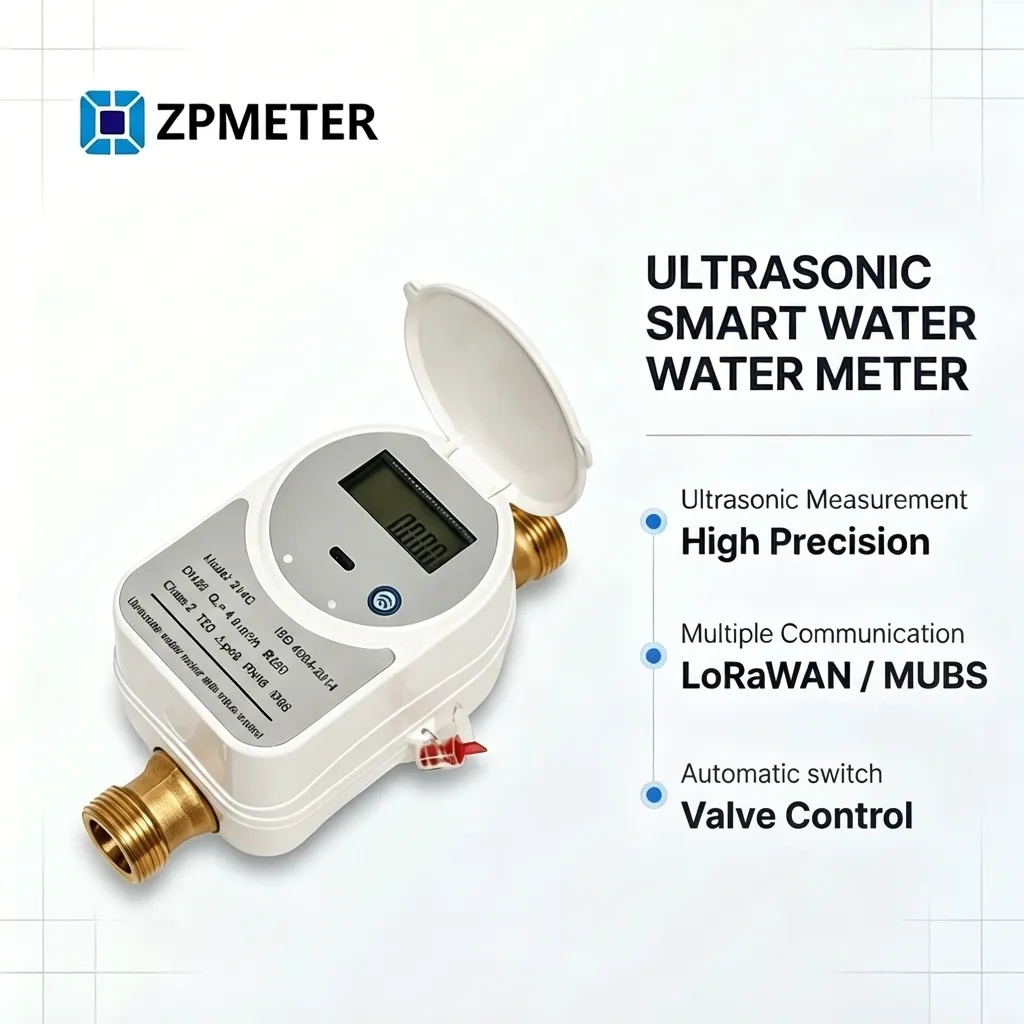
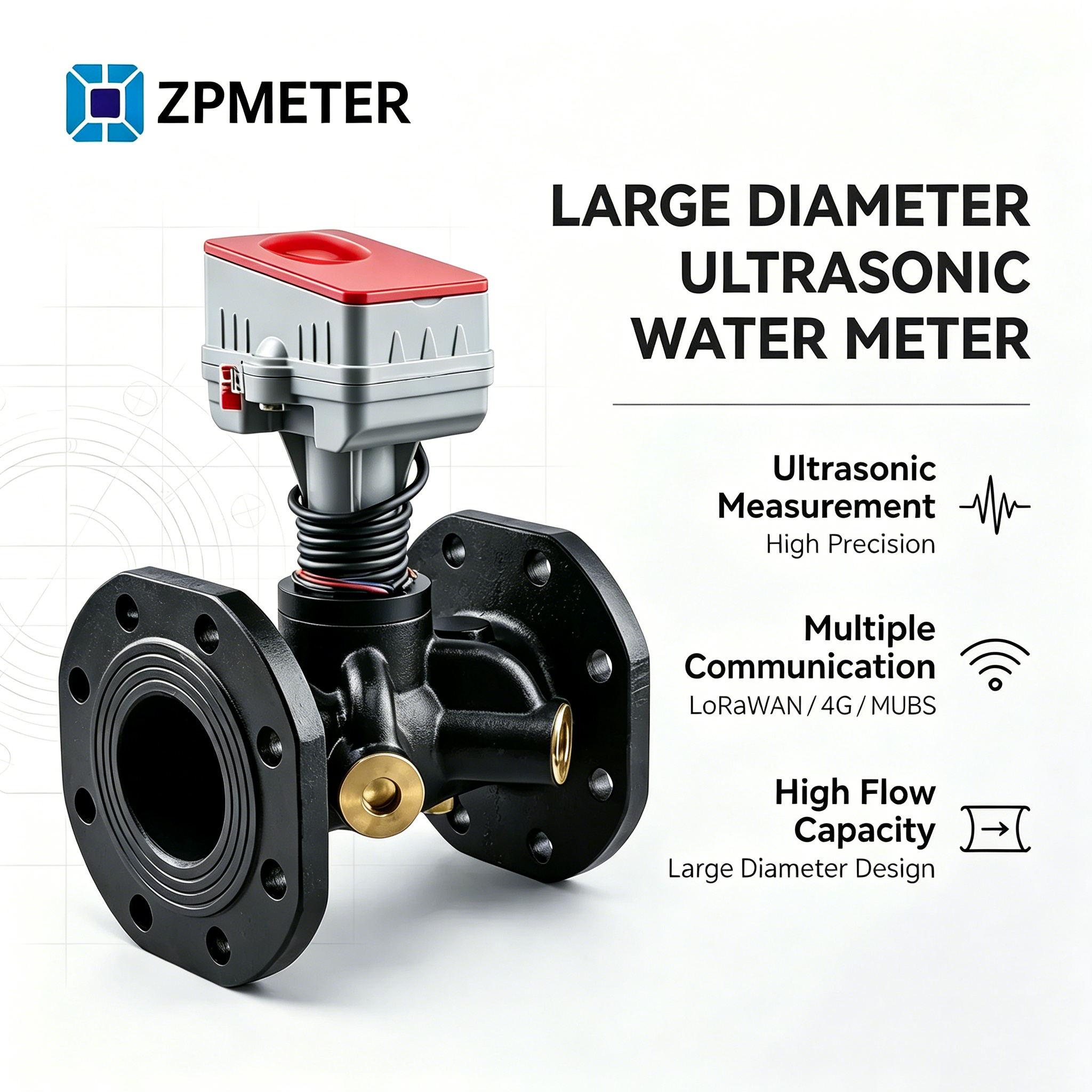
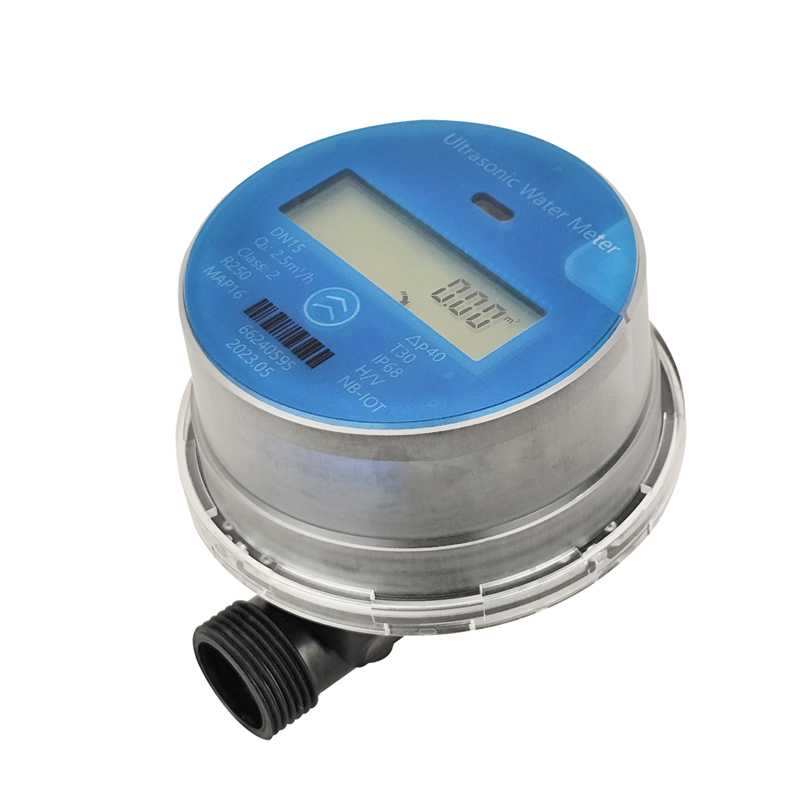
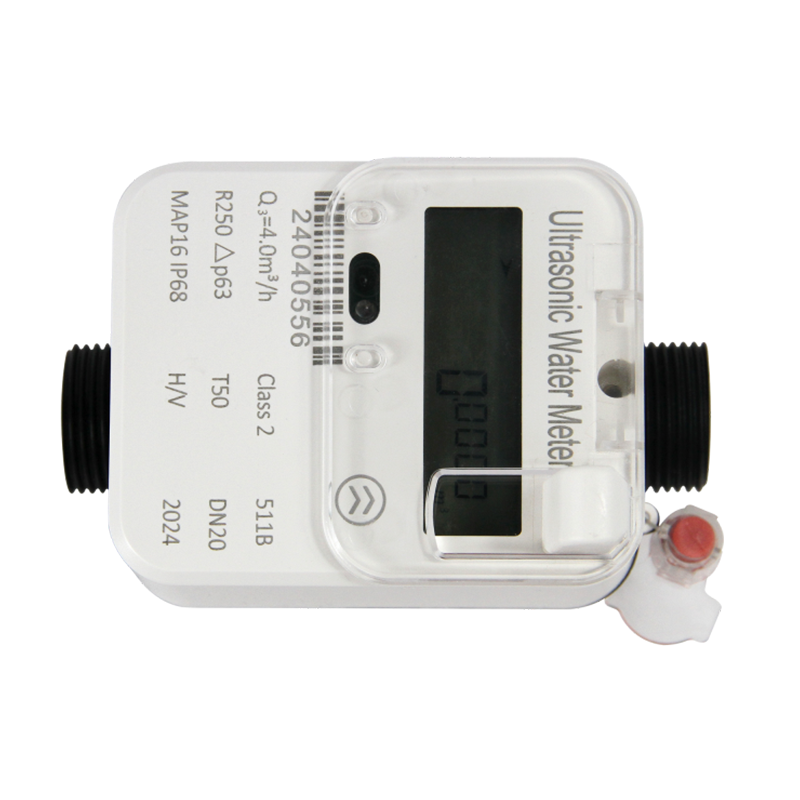
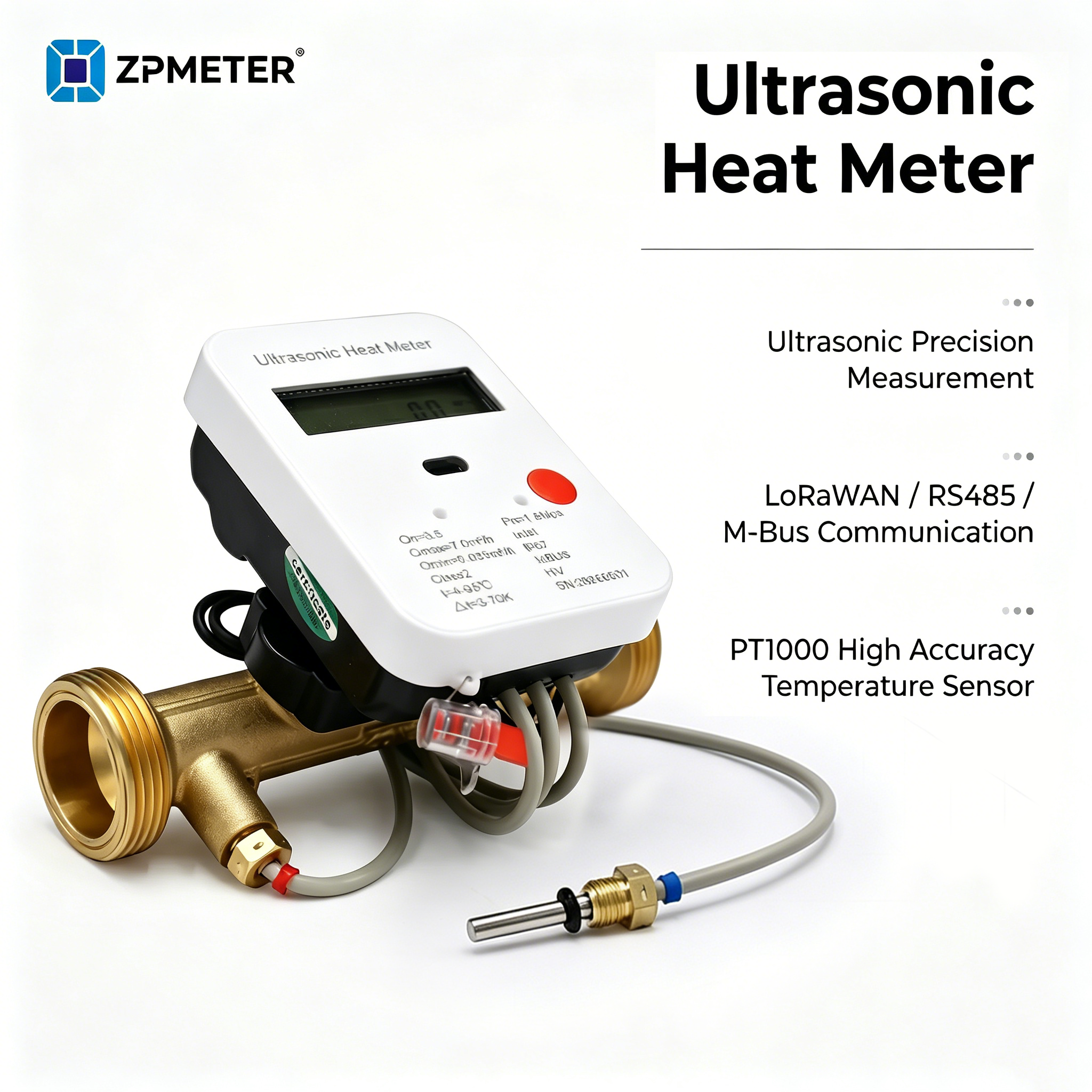
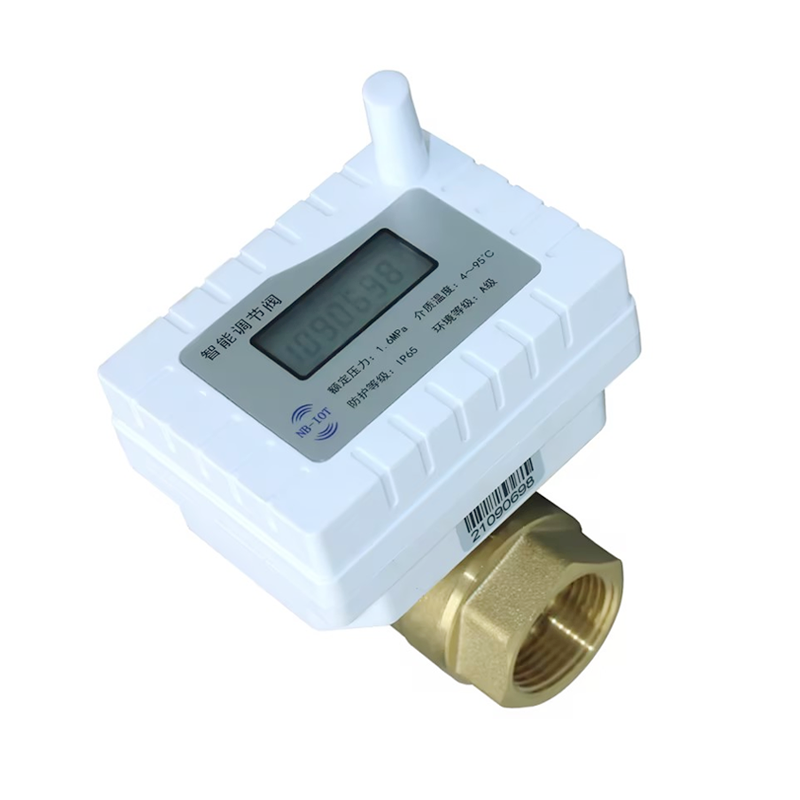
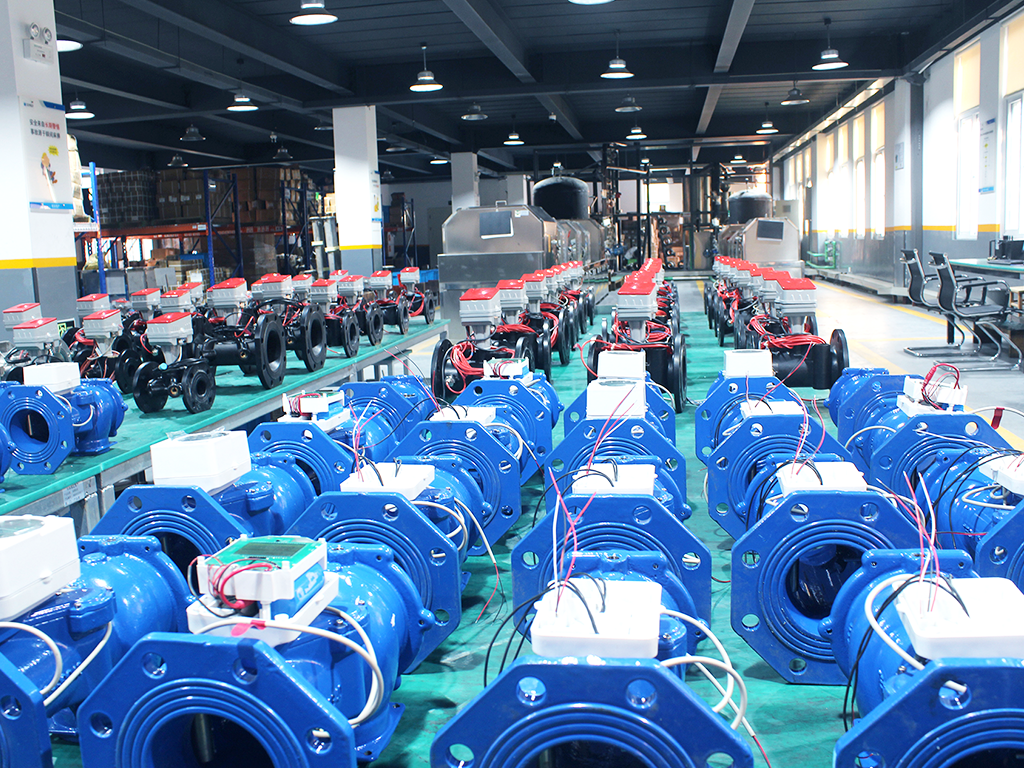
Ultrasonic water meters work by timing how fast sound waves travel through water in both directions. When these signals go with the flow versus against it, the meter calculates exactly how much water is moving past. The cool thing about this approach? Nothing actually touches the water itself. No need for gears spinning, pistons pumping, or turbines turning inside the pipe. These mechanical bits tend to wear down over time, which causes regular meters to slowly become less accurate as they age. Cities have done some testing and found that old fashioned meters can miss counting up to 20% of actual usage after just five years because all those moving parts get worn out. Ultrasonic meters don't have this problem since they stay calibrated right from the factory throughout their whole lifespan. Plus, without any internal parts getting dirty or clogged, there's less stuff blocking the water flow too.
Water authorities around the world, including groups like AWWA and OIML, have confirmed that ultrasonic meters maintain an impressive ±0.5% accuracy throughout all flow conditions, whether dealing with fast moving water or almost still situations. Compare this to mechanical meters which generally manage only ±2-5% accuracy, and things get worse when flows drop below 20% of what they're rated for. Why? These older systems struggle to detect small changes in water speed and react poorly to variations in water thickness and temperature fluctuations. Looking at industry standards, we find ultrasonic devices keep their accuracy within 0.3% after running nonstop for a decade, whereas diaphragm meters start drifting off track by 3-7% just three years into service. This kind of reliability cuts down on measurement errors by as much as 80%, helping water companies track money that would otherwise slip through the cracks.
Ultrasonic water meters last much longer because they eliminate those parts that typically wear out over time. These meters can run for around 15 years or more, which is almost twice as long as traditional mechanical meters that usually last between 7 and 10 years. We've seen this extended life span work well in major cities like Philadelphia, Toronto, and Melbourne during their automated meter infrastructure projects. In these places, the ultrasonic models kept performing consistently across different pressure conditions whether it was high pressure, medium pressure, or even low pressure situations. And they did this throughout several years of constant monitoring. The technology behind them works differently from older designs since there's nothing inside that gets eroded or fatigued when water flows continuously through them. Municipal water departments benefit greatly from this reliability too. They end up replacing equipment about 40 percent less frequently over a typical 15 year maintenance cycle compared to what they would need to do with conventional meters.
Getting rid of all those moving parts completely changes how much money goes into maintenance work. According to AWWA's report from last year, three different cities in the US saw their need for on-site fixes drop by nearly 90% once they started using ultrasonic meters instead of traditional ones. Why? Because problems like stuck impellers, worn out bearings, and drifting calibration readings just stopped happening altogether. What we're seeing now is technicians only showing up when there's actually something wrong, not following strict schedules for regular checkups. That saves around $70-$80 per meter each year in labor expenses alone. Most companies start seeing real financial returns on this investment within about 18 months while still keeping accurate measurements and maintaining normal operations without interruptions.
Ultrasonic meters can pick up flows as small as 0.01 cubic meters per hour, which is basically what comes out of a leaky faucet running all day long. Mechanical meters need certain pressure levels just to get moving against friction and spin their impellers, but ultrasonic devices actually measure flow speed through sound waves bouncing around inside the pipe. Because of this capability, these meters catch those tiny, sporadic leaks from worn out pipes, rusty connections, or broken fittings. These kinds of losses make up around 30% of what's called non-revenue water in older infrastructure systems. Catching problems early stops pipes from getting worse over time and saves money on expensive last minute fixes down the road.
Cities that have installed ultrasonic meters typically see non-revenue water (NRW) drop around 22% within just six months. Why does this happen so quickly? Three main factors work together here. First, the meters can detect small leaks in real time, helping crews find problem areas fast. Second, their tamper-resistant design makes it harder for people to bypass or damage them illegally. Third, they measure flow in both directions, which helps spot when water is flowing backward through pipes - a sign something's broken underground. Pair these meters with advanced metering infrastructure systems and they start producing detailed usage data. This information lets operators adjust pressure zones more effectively and send repair teams where they're needed most urgently. Water departments across the country are reporting leakage repair bills that are as much as 40% cheaper after installation. Some even recoup millions previously lost to undetected leaks. What was once just another line item on efficiency reports has become something measurable and actionable for municipal budgets.
Ultrasonic water meters maintain their accuracy even when water flows get all messed up, pulsates irregularly, or becomes disturbed in ways that would trip up regular mechanical meters. These meters are built as solid state devices so they don't get affected by magnetic fields, vibrations running through pipes, or sudden hydraulic shocks that often cause problems for older impeller style systems. The technology inside actually processes signals digitally to filter away unwanted noise caused by things like air bubbles floating around, bits of sediment getting caught, or those brief moments when water starts flowing backward. Cities that have switched to these meters see something pretty impressive happening too. Many report about a 40 percent decrease in complaints from customers about inaccurate readings after installation, especially noticeable in older water distribution systems where pressure spikes and inconsistent water flow were common issues. Since there's nothing physical moving inside these meters, they keep working properly even when debris gets flushed through the system, meaning fewer service calls and maintenance requirements overall.
Ultrasonic water meters come ready out of the box to measure flow in both directions and send real time data using standard industry protocols. Think DLMS/COSEM when talking about AMI systems that need to work together, or MQTT for those looking at scaling their IoT setup across multiple locations. The fact that these meters already speak the right language means getting them installed happens much faster, and there's no need for expensive middle layer software or complicated protocol conversions. Water companies get detailed consumption records stamped with exact timestamps every 15 minutes. This lets them spot problems almost immediately whether it's a broken pipe somewhere underground or someone trying to mess with the meter readings. Plus, manual meter reading jobs drop by around 60%, which saves money and reduces human error. With two way communication capabilities, operators can actually control valves remotely and adjust pricing structures on the fly. This changes how water management works entirely, moving away from fixing issues after they happen toward anticipating needs before crises develop. As more cities adopt AMI technology (now covering about half the global smart water market), choosing ultrasonic meters that follow standard protocols makes sense for protecting investments over the long haul instead of dealing with outdated equipment down the road.
Ultrasonic water meters offer unmatched accuracy and longevity because they measure water flow using sound waves instead of mechanical components, eliminating wear and drift over time.
Ultrasonic water meters have a remarkable accuracy of ±0.5% across various flow conditions, significantly outperforming mechanical meters that vary between ±2–5% accuracy.
By eliminating moving parts, ultrasonic meters reduce the need for maintenance interventions by about 90%, saving operational costs.
Ultrasonic meters can detect low-flow rates, down to 0.01 m³/h, enabling the identification of micro-leaks that would typically go unnoticed by mechanical meters.
Yes, ultrasonic meters support bidirectional measurement and real-time data communication, making them compatible with modern AMI systems and future-ready water management solutions.
 Hot News
Zhongpei Electronics offers advanced ultrasonic water and heat meters with precise measurement, energy-saving features, and smart management systems. Serving global utilities and municipalities with reliable metering solutions since 2009.
Office: Room501 Wanli Building No.1198 Wenyi West Road Yuhang District Hangzhou.
Factory: 2nd Building 25# No.2 Yongtai Road Renhe Street Yuhang District Hangzhou.
Copyright © 2025 by Hangzhou Zhongpei Electronics Co., Ltd. Privacy Policy
 EN
EN