
 EN
EN
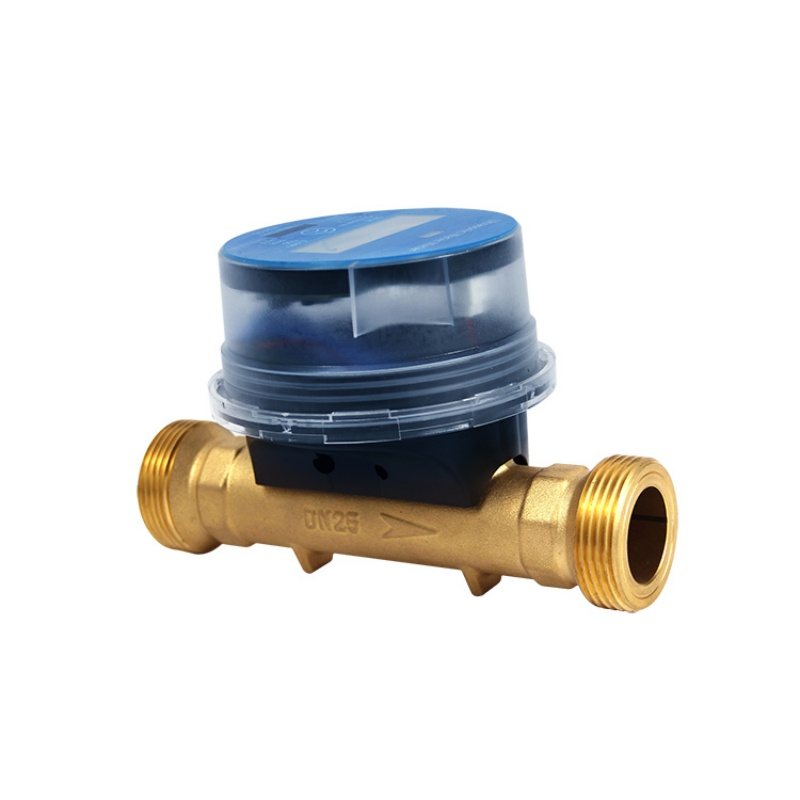
The Evolution of Intelligent Utility Infrastructure
In the rapidly advancing world of urban utility management, the shift from traditional, manual data collection to automated, intelligent networks represents a fundamental leap in operational capability. At the core of this transition is the LoRaWAN water meter, a technology that enables long-range, low-power communication between metering endpoints and central management systems. Unlike legacy telemetry methods that often struggle with connectivity hurdles in dense urban environments or deep underground installations, LoRaWAN technology provides the unique ability to transmit data over significant distances without the need for high-power cellular infrastructure. For facility operators and utility providers, adopting this standard is a foundational step toward building a responsive, reliable network that transforms resource tracking from a static, periodic task into a dynamic, real-time intelligence stream. The move toward digitized tracking is essential for modern urban centers aiming to balance growing resource demands with sustainable infrastructure management.
Unlocking the Power of Long-Range Connectivity
The primary technical advantage of a LoRaWAN water meter lies in its communication architecture. Designed specifically for the Internet of Things (IoT), this protocol excels in penetrating obstacles—such as thick concrete walls and subterranean installation points—where traditional wireless signals typically fail. By operating in the unlicensed sub-gigahertz spectrum, these meters require significantly less power, allowing individual units to remain operational for years on a single small battery. This longevity is critical for wide-scale deployments, as it drastically reduces the administrative and physical burden of manual maintenance. As facility managers look to bridge the gap between fragmented legacy assets and modern digitized infrastructure, the long-range capacity of these meters provides the necessary backbone for truly comprehensive utility visibility. Engineering standards for these devices often align with global requirements for data integrity and signal robustness, ensuring that utility data remains consistent even in challenging environmental conditions.
Enhancing Network Transparency and Operational Oversight
Building a smart network is fundamentally about visibility. When every LoRaWAN water meter in a network feeds data into a centralized platform, utility managers gain an unprecedented level of insight into distribution flows. This connectivity allows for the immediate identification of irregularities, such as sudden, unexplained spikes in usage that might indicate distribution fluctuations or potential system anomalies. By detecting these issues at the source, operators can intervene before minor malfunctions cascade into significant resource loss or infrastructure stress. Furthermore, the granular data gathered by the network supports sophisticated demand forecasting, allowing providers to align supply with actual community consumption patterns, thereby reducing systemic pressure and improving overall network reliability. Real-time monitoring of distribution networks is a proven approach to improving overall system health.
Seamless Integration with Modern Analytics
The true commercial value of smart water networking is realized when the data collected by a LoRaWAN water meter is integrated into advanced analytics dashboards. These platforms enable automated record-keeping, predictive analytics, and long-term infrastructure health monitoring. By processing historical consumption trends, operators can move away from estimations and toward a model of precise, usage-based management. This digital transformation simplifies the record-keeping process, reduces the administrative overhead associated with manual data collection, and fosters a more sustainable relationship with consumers. When facility managers have access to a real-time digital twin of their distribution network, they are empowered to make strategic decisions that prioritize resource conservation and fiscal responsibility. The integration of these meters into broader smart city frameworks creates a unified approach to utility management that benefits both the provider and the end-user.
Engineering Reliability in Large-Scale Deployments
The efficacy of a smart water network is ultimately tethered to the quality and reliability of the hardware deployed in the field. When managing thousands of endpoints, the failure of a single device can compromise the integrity of the entire data set. ZP Meter excels in providing measurement hardware that satisfies the rigorous requirements of modern smart networks, focusing on high-precision sensing and durable assembly processes. By prioritizing advanced manufacturing and stringent quality control, ZP Meter ensures that each unit provides consistent, long-term performance in diverse environmental conditions. This commitment to engineering excellence allows facility operators to build their LoRaWAN networks with confidence, knowing that the underlying hardware is designed for sustained performance and seamless system integration. Achieving high reliability in large-scale IoT projects requires a deep understanding of component durability and signal stability, both of which are core focus areas in the manufacturing processes utilized by ZP Meter.
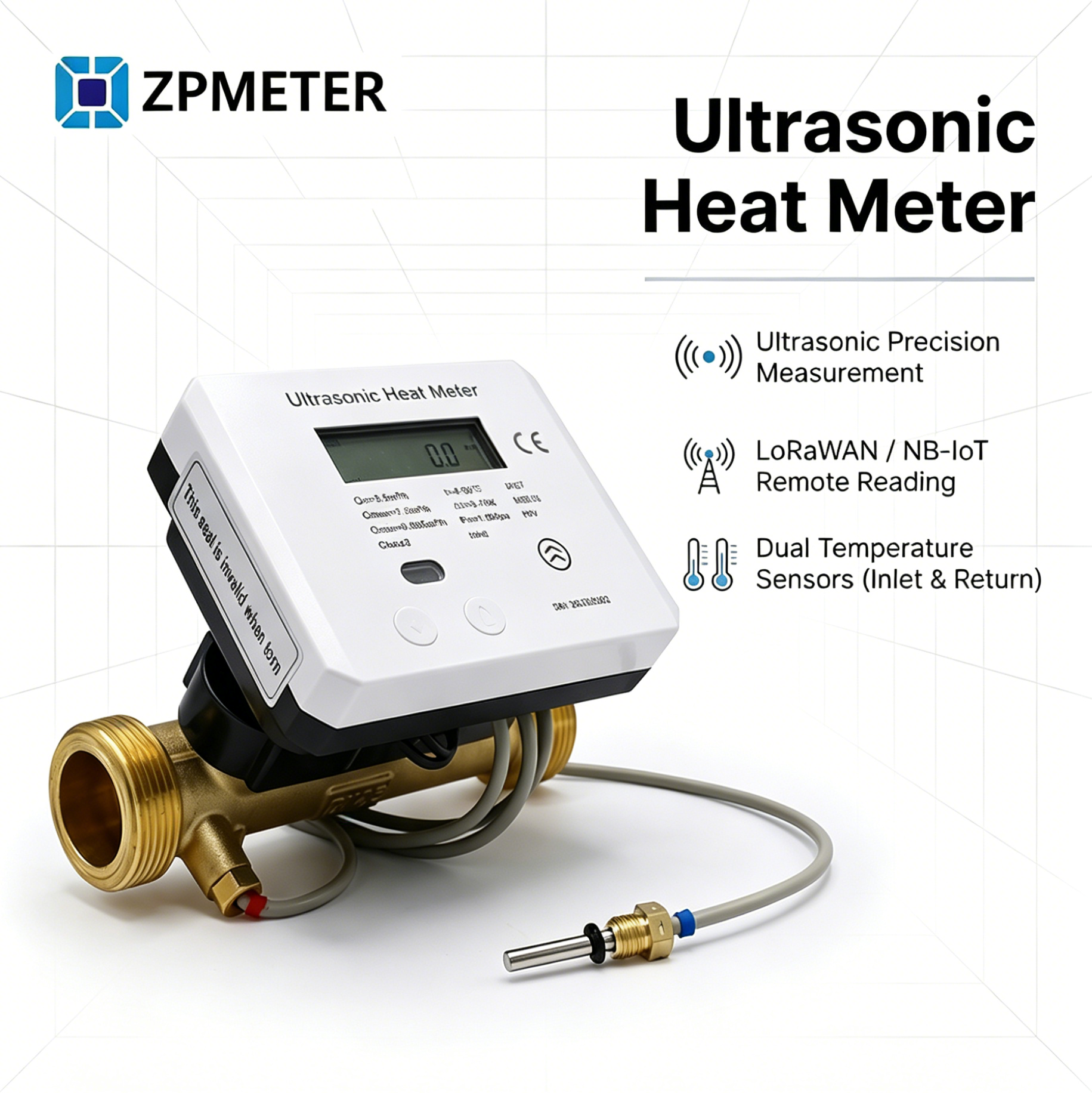
Paving the Way for Future-Proof Utility Stewardship
As global demand for resource transparency continues to intensify, the deployment of smart metering infrastructure is a necessity for responsible stewardship. Smart networks built on the foundation of LoRaWAN water meter technology offer the scalability required to support growing populations and expanding areas. By investing in robust hardware and intelligent communication standards, facility owners and municipal leaders are creating the infrastructure necessary for the next generation of energy and water management. ZP Meter provides the foundational supply chain reliability and manufacturing expertise required to support this essential transition, offering the tools that empower clients to maintain a competitive and sustainable position in resource-intensive sectors. Accurate resource management begins with the precision of high-quality, meticulously engineered hardware that stands the test of time.
Table of Contents
- The Evolution of Intelligent Utility Infrastructure
- Unlocking the Power of Long-Range Connectivity
- Enhancing Network Transparency and Operational Oversight
- Seamless Integration with Modern Analytics
- Engineering Reliability in Large-Scale Deployments
- Paving the Way for Future-Proof Utility Stewardship