
 EN
EN
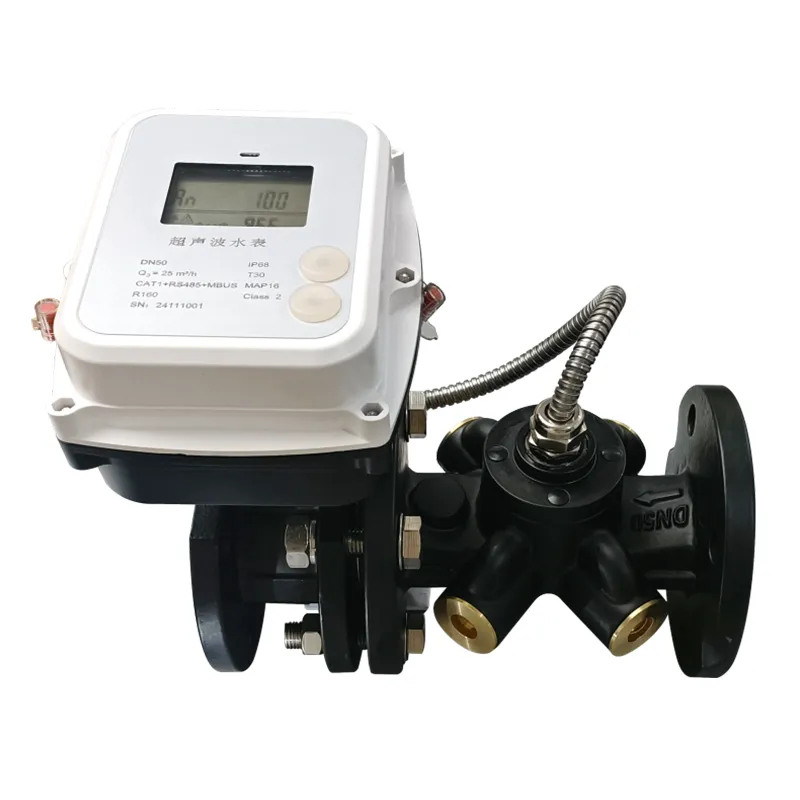
Demystifying Thermal Energy Measurement
In the modern landscape of facility management and utility oversight, the ability to accurately quantify energy usage is the foundation of operational success. A BTU meter serves as the primary instrument for this purpose, acting as a bridge between complex thermodynamic processes and actionable consumption data. Unlike traditional utility meters that might measure flow alone, a BTU meter provides a holistic view by tracking the amount of thermal energy exchanged within a heating or cooling system. By integrating flow rate measurements with the temperature differential between supply and return lines, these instruments offer a precise calculation of total thermal load. For building owners and operators, mastering this technology is the first step toward transforming energy from a fluctuating overhead cost into a managed, optimized asset.
How Thermal Energy is Quantified
At its core, the operation of a BTU meter relies on fundamental physical principles related to energy transfer. The device continuously monitors the volume of heat-transfer fluid—such as water or glycol mixtures—circulating through a system. Simultaneously, high-precision temperature sensors installed at both the inlet and outlet points detect the thermal gradient. The meter utilizes these inputs to compute the total heat exchange over time. This calculation is vital for understanding how a thermal system is performing. When users understand these basics, they gain the ability to spot irregularities in thermal performance, such as unexpected drops in temperature differentials that often signal underlying maintenance requirements or compromised insulation within the piping network.
The Role of Accuracy in Utility Billing
One of the most immediate applications for a BTU meter is the facilitation of fair and transparent utility billing. In multi-tenant complexes or interconnected industrial sites, relying on estimations based on square footage is becoming increasingly obsolete. Modern facilities require a system where costs are tethered strictly to actual consumption. By providing verifiable, time-stamped energy data, a BTU meter eliminates the friction often associated with estimated charges. This level of transparency not only fosters trust between service providers and occupants but also encourages responsible energy consumption habits. When stakeholders can see exactly how much energy is being consumed in their specific zone, they are better equipped to implement internal management measures that lower overall costs.
Beyond Billing: Data for Predictive Insights
While billing is a primary function, the data generated by a BTU meter is equally powerful as a diagnostic tool for facility maintenance. Managers can leverage historical consumption trends to establish a performance baseline for their systems. When the real-time data begins to deviate from this established norm, it serves as a powerful early warning system. For instance, a gradual decline in heat transfer performance might indicate a buildup of sediment in a heat exchanger or a failing pump that is no longer moving fluid at the designed velocity. By utilizing these meters to track performance, teams can transition from reactive, emergency-based responses to a predictive model, significantly extending the lifecycle of critical infrastructure.
Engineering Quality and System Integration
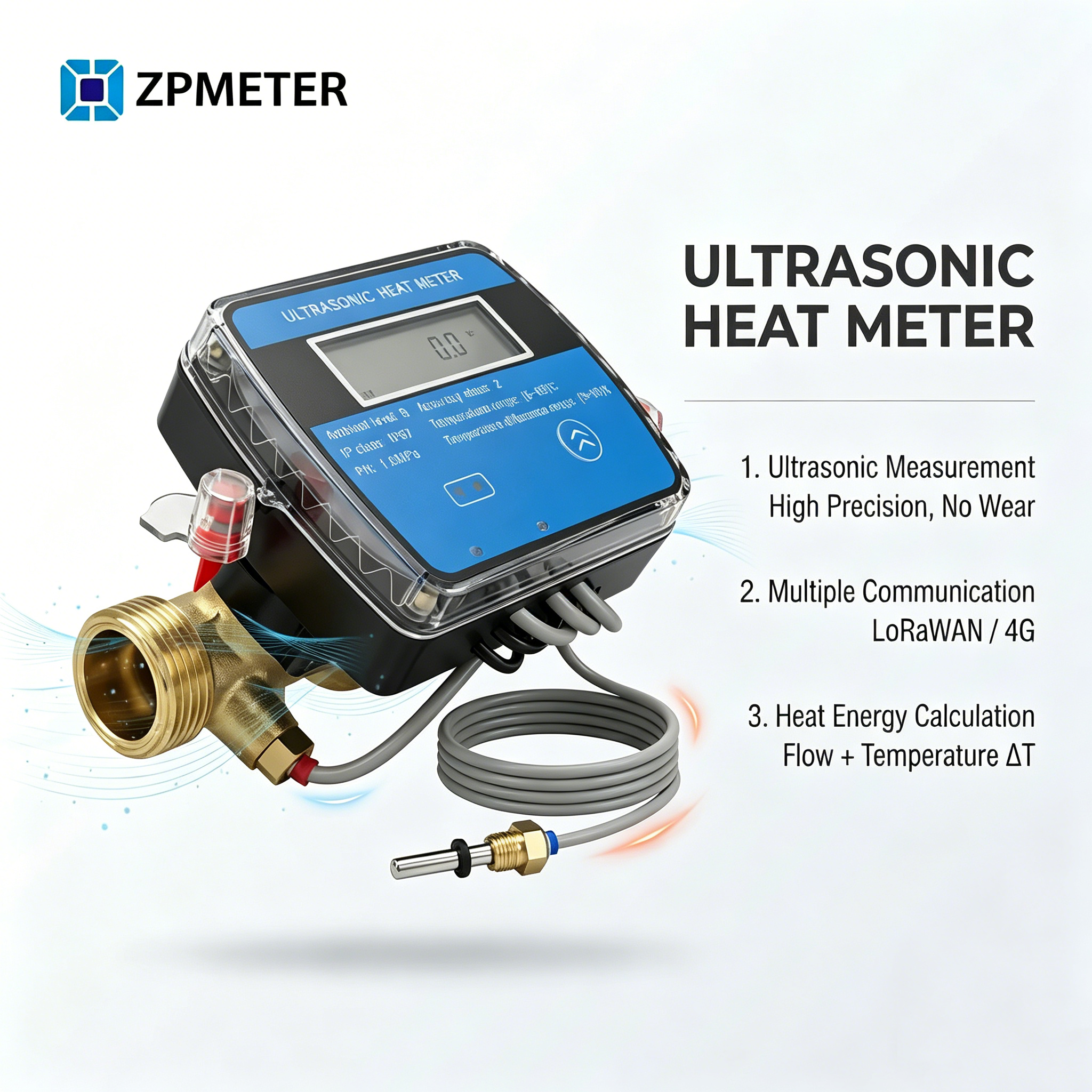
The reliability of any energy monitoring strategy is ultimately dependent on the quality of the hardware deployed. In environments characterized by high pressures, rapid flow cycles, and demanding physical conditions, the BTU meter must be built with uncompromising precision. ZP Meter excels in providing high-end measurement hardware that satisfies these stringent requirements. By prioritizing advanced assembly processes and rigorous calibration cycles, ZP Meter ensures that every unit provides consistent performance, regardless of the complexity of the application. This commitment to manufacturing excellence means that facility owners can integrate these meters into their broader Building Management Systems with confidence, knowing that the data flowing into their dashboards is both accurate and reliable for long-term strategic planning.
The Future of Sustainable Energy Stewardship
As the global landscape looks toward a future defined by smart infrastructure and rigorous carbon reporting, the role of the BTU meter will only continue to expand. These instruments are no longer just passive monitors; they are integral components of the decentralized energy management networks of tomorrow. By providing the granular data necessary for demand-response programs and renewable energy integration, they empower facility owners to take an active role in global sustainability efforts. ZP Meter provides the foundational expertise and supply chain reliability necessary to support this evolution, offering the technical support and high-performance hardware that enable clients to remain leaders in energy-intensive sectors. Accurate energy stewardship starts with understanding what is consumed, and that understanding begins with the precision of a high-quality meter.