
 EN
EN
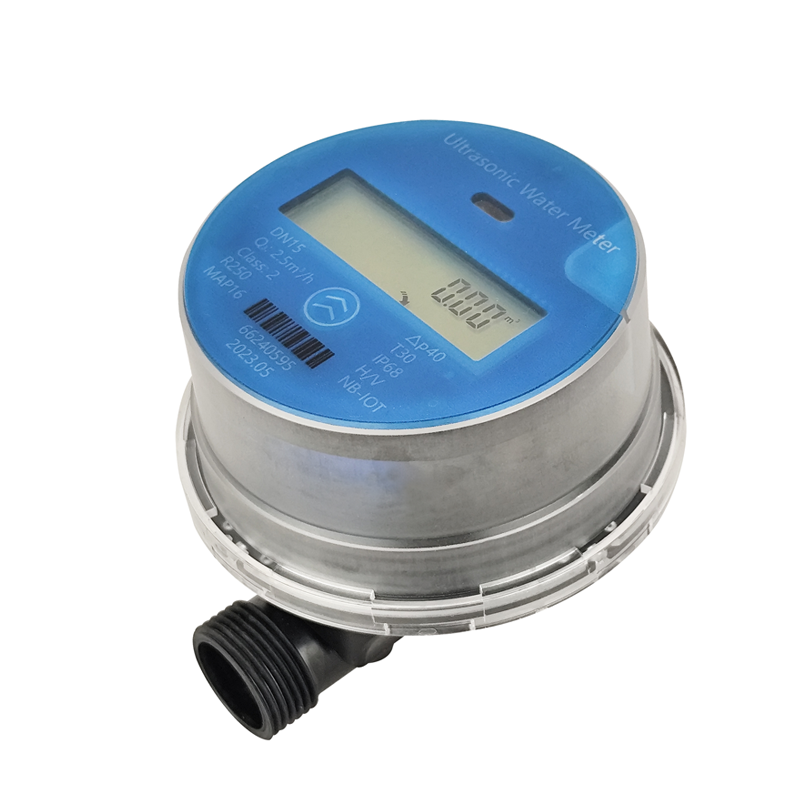
How far can LoRaWAN water meter data travel?
Understanding the Long-Range Capacity of LoRaWAN
In the landscape of modern utility management, connectivity acts as the bridge between raw, invisible consumption data and the actionable intelligence required to run a complex system. A LoRaWAN water meter is engineered to transmit information across distances that often seem surprising to those accustomed to standard wireless technologies like Bluetooth or conventional home Wi-Fi. The LoRa designation represents "Long Range," which captures the fundamental design philosophy of this communication protocol. By utilizing sophisticated spread-spectrum modulation techniques, these meters can maintain a clear, reliable connection over several kilometers, even when operating in open or semi-open terrain. For utility operators and facility managers, this capacity is transformative. It means that a single strategically placed gateway can provide coverage for a vast geographical area, effectively reducing the amount of infrastructure required to build a comprehensive, high-functioning smart network.
The Physics of Signal Propagation
While the theoretical maximum range for a LoRaWAN water meter can often stretch toward fifteen kilometers under perfect, unobstructed conditions, real-world performance is always dictated by the immediate environment. Signal propagation is influenced by a range of variables, including urban density, topographic features like hills or valleys, and the specific physical placement of the metering unit. For example, meters installed in deep underground pits or shielded by reinforced concrete structures will inevitably experience more signal attenuation compared to units placed in open-air environments. However, the standout advantage of the LoRa protocol remains its ability to penetrate these physical obstacles far more effectively than higher-frequency alternatives. By mastering these environmental variables, network planners can position gateways with precision to maximize coverage, ensuring that data packets traverse the landscape and reach their destination without being lost to interference.
The Critical Role of Network Infrastructure
The effective transmission distance of a LoRaWAN water meter is not merely a function of the internal transmitter; it is just as heavily dependent on the placement, altitude, and sensitivity of the network gateways. A gateway acts as the central bridge, collecting signals from thousands of individual end-nodes and relaying that data securely to a central network server. In large-scale deployments, the density of these gateways can be adjusted to overcome challenging physical barriers, ensuring that even the most isolated meter remains consistently connected. This decentralized, modular approach allows for a highly scalable architecture. Operators can start with a modest footprint and expand their coverage area incrementally by adding more gateways, creating a resilient, redundant system that grows in lockstep with the infrastructure needs of the community it serves.
Ensuring Data Integrity over Long Distances
Reliability is just as important as the raw distance covered. A LoRaWAN water meter is built to ensure that data remains intact even when transmitted from the very edge of a network’s functional range. Through the intelligent application of adaptive data rates, the system can automatically adjust the speed and power of transmission based on the current quality of the connection. If a signal is weak, the meter can modulate its data transmission speed to ensure the packet is received correctly by the gateway without corruption. This technical sophistication ensures that facility managers receive clean, accurate, and complete datasets on a continuous basis, eliminating the need for constant site visits to boost or recalibrate signals. This consistency is the lifeblood of any long-term utility management strategy.
Manufacturing Excellence and Signal Performance
The true potential of long-range data transmission is only realized when the hardware itself is manufactured to withstand the extreme rigors of field deployment. If a device is not built with absolute precision, its ability to transmit over long distances will inevitably degrade over time, leading to invisible gaps in network visibility and data loss. ZP Meter focuses on the production of high-end measurement hardware that emphasizes signal stability, robust internal circuitry, and long-term component durability. By adhering to rigorous, multi-stage manufacturing protocols, ZP Meter ensures that every unit is fully capable of operating at the absolute maximum effective range of the LoRaWAN protocol, regardless of the complexity of the installation environment. This unwavering dedication to hardware quality provides the foundation for operators to trust their network data, knowing that every meter is optimized for peak performance from the moment it leaves the assembly line.
Future-Proofing Utility Infrastructure
Deploying technology that offers reliable, long-range communication is a strategic, forward-thinking investment in the sustainability of utility stewardship. As networks continue to scale to meet the demands of growing populations, the ability of a LoRaWAN water meter to bridge vast distances will remain a cornerstone of efficient resource management. By selecting high-performance, resilient hardware, facility owners and municipal leaders can build networks that are both infinitely scalable and ecologically sustainable. ZP Meter provides the manufacturing reliability and technical consistency necessary to support these ambitious smart network projects. With the right hardware, the limitations of distance are effectively overcome, empowering operators to maintain complete, granular oversight of their critical infrastructure, no matter how vast or geographically challenging the service area may be. Accurate resource management starts with the precision of hardware that is designed for the long haul.
Table of Contents
- How far can LoRaWAN water meter data travel?
- Understanding the Long-Range Capacity of LoRaWAN
- The Physics of Signal Propagation
- The Critical Role of Network Infrastructure
- Ensuring Data Integrity over Long Distances
- Manufacturing Excellence and Signal Performance
- Future-Proofing Utility Infrastructure