
 EN
EN
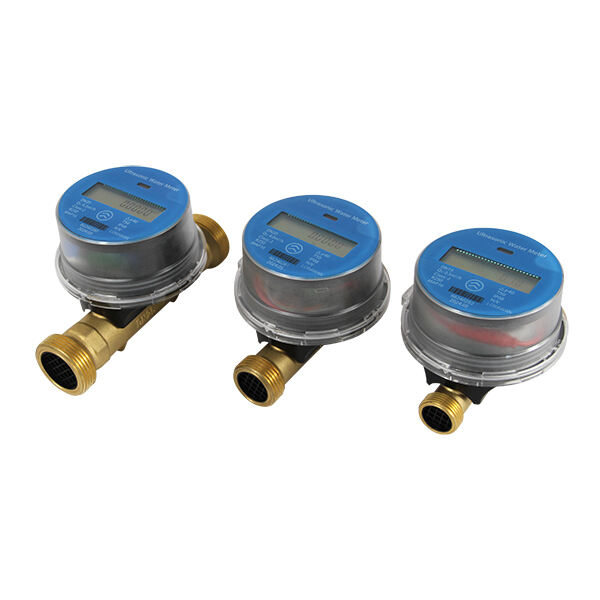
Smart Water Meters as the Foundation of Real-Time Water Intelligence
From Manual Reads to Continuous IoT Monitoring: The Data Transformation
Traditional manual water readings deliver infrequent, static snapshots—leaving utilities blind to usage trends and leaks for weeks or months. Modern smart water meters eliminate this gap through continuous IoT monitoring, capturing flow data every 15–60 seconds. Built with solid-state ultrasonic sensors (not mechanical parts), they achieve >99% accuracy while avoiding wear-induced drift. Wireless transmission delivers encrypted data to centralized platforms, enabling near real-time visibility into consumption anomalies. This shift transforms utilities from reactive troubleshooters into proactive resource stewards.
LoRaWAN® and NB-IoT: Enabling Scalable, Low-Power AMI for Smart Water Meter Networks
Advanced Metering Infrastructure (AMI) depends on purpose-built LPWAN protocols that balance range, bandwidth, and battery longevity:
| Protocol | Range | Battery Life | Ideal Use Case |
|---|---|---|---|
| LoRaWAN® | Up to 15 km | 10+ years | Low-density/rural areas |
| NB-IoT | 1–10 km | 6–8 years | High-density urban networks |
Sleep-cycle optimization allows underground meters to operate reliably for a decade or more—enabling cost-effective city-scale deployments. Encrypted data flows seamlessly to cloud analytics platforms, where AI models detect leaks within hours instead of weeks. As the backbone of modern AMI, these protocols make continuous, network-wide flow monitoring operationally and financially viable.
Reducing Non-Revenue Water Through Smart Water Meter–Driven Leak Detection
Addressing Global NRW Loss: How Smart Water Meters Identify Anomalies in Near Real Time
Non-revenue water (NRW) remains a critical global challenge—averaging 30% of treated supply, per the International Water Association’s benchmarking data. Smart water meters tackle this head-on by continuously analyzing flow patterns. Integrated IoT sensors automatically flag anomalies such as persistent low-level flow during zero-usage periods or unexplained spikes—triggering alerts before small leaks become catastrophic bursts. Unlike manual inspections requiring physical access, these systems monitor entire networks 24/7, identifying issues at their earliest stage and enabling repair dispatch within hours—not weeks.
Advanced Analytics: Correlating Flow, Pressure, and Time-Series Data to Detect Micro-Leaks
True leak intelligence goes beyond simple flow thresholds. By synchronizing data from smart meters with pressure sensors and time-series baselines, systems detect micro-leaks as small as 0.5 gallons per hour—far below the threshold of traditional methods. Three analytical layers drive precision:
- Flow-pressure relationship analysis: Flags coincident pressure drops and abnormal flow rates
- Temporal pattern recognition: Identifies consistent low-flow signatures during inactive hours
- Network-wide correlation: Triangulates leak locations by comparing adjacent meter readings
Machine learning models trained on these multi-parameter inputs distinguish leaks from legitimate usage with over 90% accuracy—enabling prioritized, impact-based repairs. Documented deployments show NRW reductions of up to 50%, with model performance improving continuously as new data refines detection logic.
Optimizing Operations Across Scales with Smart Water Meter Data
Residential and Commercial Insights: Behavioral Feedback Loops and Peak Demand Reduction
Smart water meters empower end users through intuitive, real-time dashboards—creating behavioral feedback loops that drive conservation. When households and businesses see hourly usage patterns, peak demand typically falls 12–18%, as users shift high-volume activities like irrigation or industrial rinsing to off-peak windows. Granular visibility also supports targeted interventions: tiered pricing alerts, custom conservation incentives, and automated anomaly notifications. Facility managers use AMI data to benchmark water performance against industry standards—flagging inefficiencies in cooling towers, HVAC systems, or production lines before they escalate into costly disruptions.
Municipal Decision Support: AI-Powered Forecasting for Pump Scheduling and Storage Management
At the utility scale, smart meter networks feed AI-driven predictive models that optimize reservoir management and energy-intensive pumping. Analyzing millions of hourly readings alongside weather forecasts and historical demand, these models achieve 85–92% accuracy in daily consumption forecasting. This enables:
- Dynamic pump scheduling, cutting energy costs by 15–25% through off-peak operation
- Storage optimization, maintaining minimum safe reserves while reducing treatment and overflow risks
- Infrastructure planning, using demand growth projections to pinpoint capacity bottlenecks before they constrain service
The result is a shift from reactive maintenance to anticipatory operations—strengthening system resilience amid droughts, population growth, or climate volatility.
Barcelona Case Study: Measurable Impact of Smart Water Meter Deployment
Barcelona’s city-wide smart water meter rollout demonstrates how IoT-driven monitoring delivers tangible operational and financial returns. Replacing manual reads with continuous, automated data collection enabled early leak detection—reducing non-revenue water through rapid identification of pipe anomalies within hours instead of weeks. AI-optimized pump scheduling and storage balancing improved operational efficiency by 18%, while dynamic consumption insights supported targeted conservation programs for residents and businesses. The initiative established a scalable, data-informed framework for urban water stewardship—proving that sensor networks, when integrated with analytics and decision support, convert raw data into resilient, sustainable infrastructure.
FAQ
What is a smart water meter?
A smart water meter is an IoT-enabled device that continuously monitors water flow, providing real-time data on usage, leaks, and anomalies to utilities and consumers.
How do smart water meters reduce non-revenue water?
By analyzing flow patterns and detecting leaks early, smart water meters reduce non-revenue water by identifying and addressing inefficiencies before they become major problems.
What protocols are used in smart water meter networks?
LoRaWAN® and NB-IoT are commonly used protocols for smart water meter networks. They optimize for long range, low power consumption, and reliable data transmission over time.
What are the benefits for homeowners using smart water meters?
Homeowners benefit from real-time dashboards that show usage patterns, enabling them to conserve water, reduce peak demand, and receive early alerts for leaks.
Can smart water meters help with city-wide water management?
Yes, smart water meters feed data to AI models that optimize city-wide operations, including pump scheduling, storage management, and infrastructure planning.