
 EN
EN
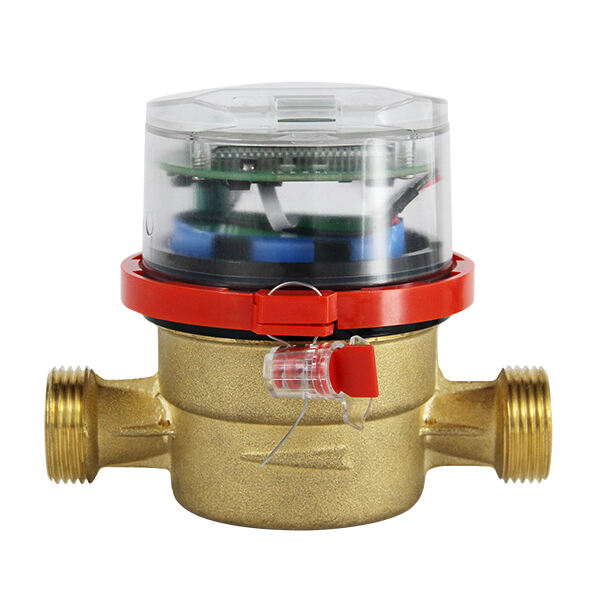
Core Wireless Water Meter Technologies for Multi-Tenant Accuracy
Ultrasonic vs. Electromagnetic Sensing: Precision and Longevity in Vacant and Low-Flow Units
When it comes to wireless water meters in apartment buildings and other multi-unit properties, most folks are going with either ultrasonic or electromagnetic (sometimes called mag) meters these days. Both types get rid of those pesky moving parts that tend to wear out over time, so they can last well over a decade before needing replacement. Ultrasonic sensors work by bouncing sound waves through the water to figure out how fast it's flowing. They're pretty good at catching even tiny leaks when units aren't being used much or only occasionally. Electromagnetic meters take a different approach based on Faraday's law, measuring how much water passes through by looking at electrical conductivity changes. These bad boys maintain around 0.5% accuracy even when there's sediment buildup, air bubbles, or weird stuff happening with the water chemistry. That makes them great choices for older buildings where pipes might not be in perfect shape. Property managers typically find ultrasonic options better for spotting those small drips and drizzles, while electromagnetic meters hold their own in situations where water quality varies from day to day.
Smart Diagnostics: Real-Time Detection of Leaks, Temperature Shifts, and Pressure Anomalies
Wireless water meters equipped with smart diagnostics are becoming essential tools for monitoring infrastructure problems before they get out of hand. These systems constantly watch water flow patterns and can spot issues like leaky toilet flappers or dripping taps within just a short period thanks to their learning algorithms. The built-in temperature sensors alert operators when pipes might freeze at temperatures under 40 degrees Fahrenheit, plus they catch sudden increases in hot water that could signal something wrong with heating equipment. For pressure management, special sensors pick up dangerous spikes over 100 pounds per square inch as well as long periods of low pressure that might mean there's a break somewhere in the main lines. When all these features work together, property managers typically see around a third less wasted water in buildings with individual metering. At the same time, this technology helps prevent expensive repairs and keeps water services running smoothly without unexpected shutdowns.
Remote Reading Infrastructure: Matching Coverage to Building Complexity
RF Mesh, Cellular, and Hybrid Gateways—Reliability Across High-Rise, Mixed-Use, and Retrofit Sites
Getting the right setup for remote readings really comes down to pairing the tech with how buildings are laid out rather than just looking at coverage numbers. Mesh networks work great in tall buildings and places with lots of units packed together. The meters basically talk to each other through nearby devices, so there's no one spot that could bring everything down. This cuts back on what needs to be installed by around two thirds compared to those old point-to-point systems when retrofitting older buildings. On the flip side, cellular gateways like LTE-M or NB-IoT offer straight line connectivity across large areas, which is perfect for sites spread out over different locations. But watch out for thick concrete walls that can weaken signals by roughly a third to forty percent, making proper site checks absolutely essential before installation. Many facilities now go with hybrid solutions that mix these technologies. They use cellular connections as the main highway while relying on mesh networks for smaller groups of meters within specific areas. This combo typically keeps data coming in reliably about 99.9 times out of 100 even as campuses grow and change over time.
| Technology | Best For | Reliability Factor | Retrofit Suitability |
|---|---|---|---|
| RF Mesh | High-rises, dense units | Redundant pathways | ☆☆☆☆★ (Low install impact) |
| Cellular | Scattered buildings | Direct carrier link | ☆☆★★★ (Signal challenges) |
| Hybrid Systems | Mixed-use campuses | Dual-path backup | ☆☆☆☆★ (Adaptive scaling) |
When it comes to scaling up systems, there's a real difference between approaches. RF mesh networks grow naturally when new meters get installed, whereas cellular solutions tend to scale in direct proportion to how many gateways we install. For older buildings needing upgrades, mixing different technologies makes sense because it cuts down on construction work needed. We can basically use where the old meters already sit to bounce signals around instead of tearing everything apart. And let's not forget something important for everyone involved - whatever system gets chosen needs to keep data delays under 24 hours according to EPA guidelines. Why? Because if leaks go unnoticed for too long, we're talking about losing over 10 thousand gallons each month just from one single undetected problem spot.
IoT Connectivity Options for Wireless Water Meters: LTE-M, LoRaWAN, and Wi-Fi Trade-offs
Battery Life, Indoor Signal Penetration, and Latency: Selecting the Right Protocol for Scale
Choosing among LTE-M, LoRaWAN, and Wi-Fi requires prioritizing operational needs over technical novelty. Battery longevity, indoor penetration, and alert speed define real-world performance:
- Battery life: LoRaWAN devices operate 10+ years on a single battery; LTE-M typically lasts 3–5 years; Wi-Fi demands quarterly replacements in active monitoring environments.
- Signal penetration: LoRaWAN’s sub-GHz frequencies reliably cover 15-story buildings within 1,000 feet—even through concrete and underground utility rooms—where LTE-M and Wi-Fi often require repeaters or external antennas.
- Data latency: Wi-Fi delivers near-instant alerts (<5 seconds) but sacrifices range and resilience; LTE-M balances speed (15–60 second delays) with carrier-grade reliability; LoRaWAN prioritizes energy efficiency over immediacy (2–15 minute delays).
High-rises benefit most from LoRaWAN’s deep-penetration coverage and decade-long power cycle. Campuses with mature Wi-Fi infrastructure may accept shorter battery life for faster leak notification. At district scale, LoRaWAN’s gateway efficiency reduces long-term OPEX; for targeted retrofits, LTE-M leverages existing carrier networks without new infrastructure.
Procurement Strategy: Total Cost of Ownership, Scalability, and Integration Readiness
CapEx vs. Subscription Models: Budget Alignment, ROI Timing, and Future-Proofing Fleet Upgrades
When making procurement choices, organizations need to look beyond the initial price tag and consider the total cost of ownership instead. With capital expenditure (CapEx) models, companies invest money upfront but get complete ownership in return. Maintenance costs tend to stabilize after about three to five years once they pass the breakeven point, plus businesses maintain control over when to replace their hardware. On the other hand, subscription based (OpEx) models work differently. They spread out payments each month, often come with included software updates and technical support, and make it easier to gradually implement systems across different kinds of properties. However, these monthly fees can end up costing anywhere from 15% to 25% more over time compared to buying outright. How ready a system is for integration really affects how quickly return on investment happens too. Cloud native subscriptions automatically push out protocol updates and improve analytics capabilities as needed. But traditional CapEx setups might still need someone to manually update firmware or even swap out entire pieces of hardware just to keep up with new industry standards. Since most wireless metering tech gets refreshed somewhere between seven and ten years down the road, having hardware that supports modular components becomes crucial no matter which financial approach a company takes. The ability to swap sensors, upgrade radios, and define functions through firmware makes all the difference in the long run.
FAQ
What is the difference between ultrasonic and electromagnetic water meters?
Ultrasonic water meters use sound waves to measure flow rates and are effective at detecting small leaks, particularly in low-flow or vacant units. Electromagnetic meters, on the other hand, utilize electrical conductivity and perform well under varying water conditions, maintaining high accuracy.
Why are smart diagnostics important in wireless water meters?
Smart diagnostics in wireless water meters monitor flow patterns and detect issues like leaks, temperature shifts, and pressure anomalies in real-time. This helps in reducing water wastage, preventing costly repairs, and ensuring uninterrupted water services.
What are the benefits of using a hybrid system for remote reading infrastructure?
Hybrid systems combine RF mesh networks with cellular gateways, providing stability and flexibility. This makes them effective for both high-density and spread-out sites, ensuring reliable data collection despite building complexities.
How do LTE-M, LoRaWAN, and Wi-Fi connectivity options differ for wireless water meters?
Each offers distinct benefits: LoRaWAN is efficient with long battery life and good indoor coverage, LTE-M offers moderate speed with reliable carrier service, and Wi-Fi provides fast alerts but requires frequent maintenance and has limited range.
What should be considered in a procurement strategy for wireless water meters?
Procurement strategies should consider total cost of ownership, scalability, integration readiness, and whether to choose CapEx or OpEx models. Each model has different implications for costs, ROI timing, and upgrade flexibility.
Table of Contents
- Core Wireless Water Meter Technologies for Multi-Tenant Accuracy
- Remote Reading Infrastructure: Matching Coverage to Building Complexity
- IoT Connectivity Options for Wireless Water Meters: LTE-M, LoRaWAN, and Wi-Fi Trade-offs
- Procurement Strategy: Total Cost of Ownership, Scalability, and Integration Readiness
-
FAQ
- What is the difference between ultrasonic and electromagnetic water meters?
- Why are smart diagnostics important in wireless water meters?
- What are the benefits of using a hybrid system for remote reading infrastructure?
- How do LTE-M, LoRaWAN, and Wi-Fi connectivity options differ for wireless water meters?
- What should be considered in a procurement strategy for wireless water meters?