
 EN
EN
The Critical Link Between Thermal Measurement and HVAC Performance
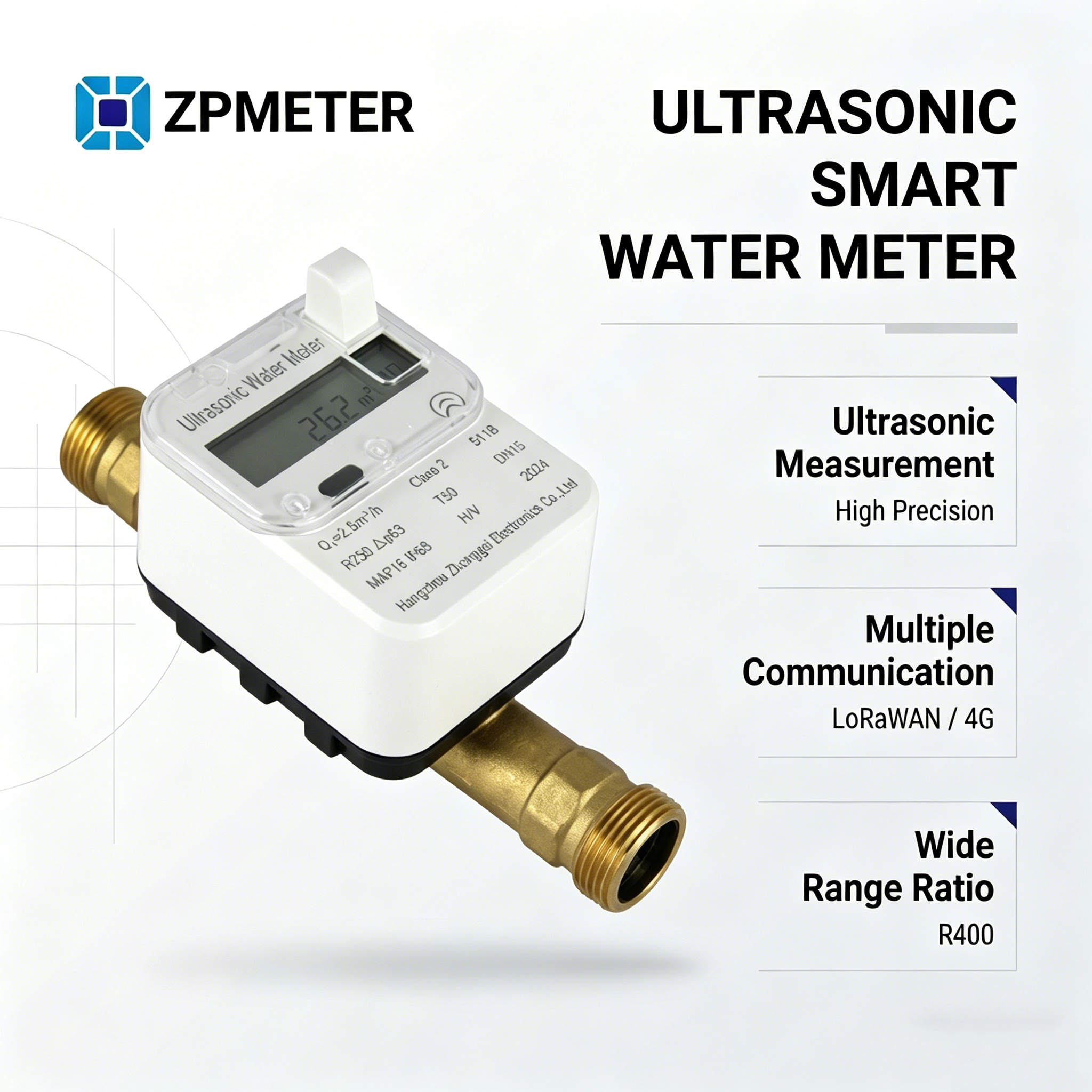
In the complex landscape of modern climate control, understanding how to quantify heating and cooling performance is essential for any facility manager or building engineer. At the heart of this analysis lies the BTU meter, a sophisticated instrument designed to calculate the exact amount of thermal energy consumed by a system. Rather than relying on simple flow rate or temperature readings, an accurate BTU meter integrates data from flow sensors and temperature probes to deliver a precise measurement of thermal load in real-time. By establishing this baseline of energy consumption, operators can move beyond anecdotal evidence and begin to make decisions based on concrete, verifiable data. This shift is the fundamental prerequisite for moving from reactive troubleshooting to proactive system management.
Mastering the Mechanics of Thermal Energy Calculation
To effectively use a BTU meter for HVAC assessment, one must first grasp the underlying physical principles it monitors. The device functions by measuring three primary variables: the volume of the heat-transfer fluid, the temperature of the fluid as it enters the system, and its temperature upon exiting. The BTU meter calculates the energy differential, typically expressed in British Thermal Units (BTUs) or kilowatt-hours (kWh). When evaluating HVAC efficiency, the focus is not just on the total energy output, but on the ratio between the energy expended by the system and the actual thermal energy delivered to the target zone. A deviation from the expected Delta-T (temperature difference) often indicates issues such as airlocks, fouling in heat exchangers, or pump inefficiencies that would otherwise remain invisible.
Identifying Inefficiencies Through Systematic Monitoring
Routine monitoring using a BTU meter allows for the identification of efficiency bottlenecks that occur within the distribution network. A common challenge in large-scale HVAC systems is "energy drift," where a system consumes significant electricity to pump fluid that provides decreasing thermal benefit. By strategically placing a BTU meter at different distribution branches, facility teams can pinpoint where thermal energy is being lost—whether through poorly insulated pipes or malfunctioning zone valves. This granular level of insight is invaluable for diagnostic purposes; it allows maintenance teams to schedule repairs based on actual performance degradation rather than arbitrary time intervals, thereby ensuring that the system operates within its optimal design parameters.
Integrating Data into Building Management Systems
The true power of modern thermal measurement is realized when the BTU meter is integrated into a broader Building Management System (BMS) or energy analytics platform. Modern digital meters provide communication protocols, such as Modbus or M-Bus, which allow for the seamless streaming of performance data to centralized dashboards. This connectivity enables building owners to track efficiency trends over weeks, months, or entire seasons. When an HVAC system is managed as an integrated data-driven asset, the BTU meter serves as the central hub of operational intelligence. Such integration ensures that automated controls can make real-time adjustments to pump speeds or boiler firing rates, ensuring that the system consistently meets demand without wasting resources.
The Role of Precision Hardware in Long-Term Reliability
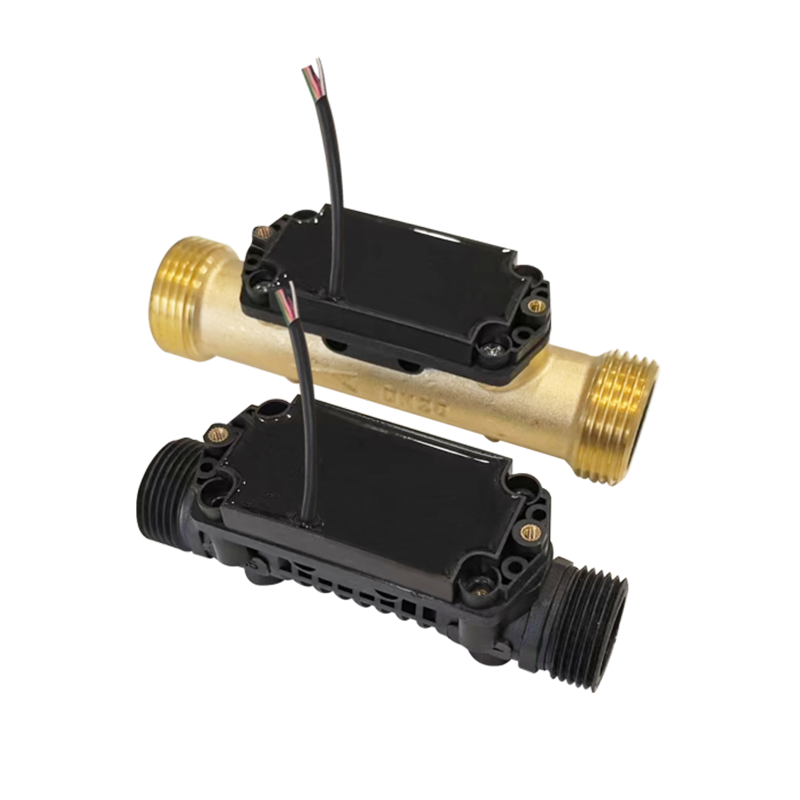
The accuracy of any HVAC assessment is entirely dependent on the quality and calibration of the measurement hardware. In demanding industrial or commercial settings, where high pressures and fluctuating thermal loads are the norm, the durability of the BTU meter becomes a critical factor. ZP Meter focuses on delivering high-precision measurement solutions designed to withstand these rigorous operating conditions. By prioritizing robust manufacturing processes and stringent quality control, ZP Meter ensures that each instrument provides consistent, repeatable results. This commitment to hardware excellence ensures that facility engineers can trust the data flowing into their management systems, allowing for sustained performance and optimized energy utilization across the building’s lifecycle.
Moving Toward Sustainable Energy Stewardship
As the global focus shifts toward lower carbon footprints and more sustainable infrastructure, the importance of high-fidelity energy measurement will continue to rise. Accurate measurement is the bedrock of sustainability; you cannot improve what you do not measure. By leveraging the advanced capabilities of the modern BTU meter, building owners are not only optimizing their immediate operational costs but also participating in a broader, more responsible approach to resource management. ZP Meter provides the manufacturing depth and technical expertise necessary to support this global transition, supplying the tools that empower facility professionals to take full control of their energy destiny. Through superior engineering and a dedication to accurate reporting, the path toward a more efficient and sustainable future becomes much clearer.
Table of Contents
- The Critical Link Between Thermal Measurement and HVAC Performance
- Mastering the Mechanics of Thermal Energy Calculation
- Identifying Inefficiencies Through Systematic Monitoring
- Integrating Data into Building Management Systems
- The Role of Precision Hardware in Long-Term Reliability
- Moving Toward Sustainable Energy Stewardship