
 EN
EN
Unlocking Precision in Thermal Energy Measurement
In the realm of modern facility management and large-scale district heating, the difference between a highly optimized operation and a budget-draining one often boils down to how thermal energy is captured, processed, and reported. As an engineer who has walked through countless facility upgrades and infrastructure overhauls, it is strikingly clear that many systems still rely on outdated estimation models that ignore the intricacies of contemporary energy demand. These legacy methods often fail to capture the nuanced energy consumption patterns of current, modular industrial sites, leading to significant gaps in operational visibility. Shifting toward precise, high-frequency BTU meter data is no longer just about meeting basic regulatory compliance—it is about gaining granular, actionable visibility into complex energy flows. When thermal distribution is measured with pinpoint accuracy, facility operators can finally distinguish between optimized processes and systemic energy waste that drains the bottom line.
The Engineering Reality Behind Billing Disputes
Commonly, intense friction arises between building owners, facility managers, and tenants due to vague or inaccurate utility billing. In my professional experience auditing mid-to-large-scale facilities, the primary driver of these disputes is almost always the lack of a standardized, high-performance BTU meter installed at the critical point of use. When sub-metering is imprecise or nonexistent, the "square footage" billing model is often applied as a fallback, which inherently penalizes those who operate lean and disciplined workflows. High-precision ultrasonic or mechanical flow measurement technology, when integrated into a robust building management system (BMS), changes this dynamic entirely. By providing verifiable, time-stamped, and tamper-proof energy usage data, the billing process moves from being a point of constant contention to a transparent, data-driven service that fosters long-term tenant retention and organizational trust. This shift effectively eliminates the "estimation bias" that often leads to years of commercial grievances.
Establishing Authority Through Technical Compliance
Regulatory bodies worldwide are raising the bar for energy auditing, carbon reporting, and transparency. For industrial manufacturers and commercial operators, adhering to international standards such as OIML R 75 or EN 1434 is absolutely essential to validate that the measurement technology is truly fit for purpose in a professional setting. A BTU meter that meets these rigorous international standards does much more than just count kilowatt-hours; it guarantees that the data produced is defensible in a legal, regulatory, or commercial audit. Leveraging certified, high-grade instrumentation ensures that the technical infrastructure remains future-proof, safeguarding the operator against the evolving regulatory landscape of carbon reporting and stringent energy efficiency directives. When companies invest in equipment that meets these global benchmarks, they are essentially buying insurance against future non-compliance penalties.
Driving Operational Insights Through Data-Driven Analysis
Beyond the obvious benefits of transparent billing, the massive commercial value of high-quality BTU meter deployment lies in its role as a diagnostic engine for predictive maintenance. An accurate, modern meter acts as a high-fidelity diagnostic tool rather than a mere counting device. For instance, when historical consumption profiles begin to deviate from established performance norms, it often signals an early-stage failure in a heat exchanger, a buildup of scale in piping, or a leak in a critical thermal distribution pipeline. Detecting these technical anomalies early prevents catastrophic system failures that can halt production lines for days. This transformation of the meter from a passive billing component into an active operational intelligence tool significantly elevates the analytical rigor for facility managers. It shifts the energy cost from a variable, volatile, and unpredictable expense to a managed, optimized input for production, which is a hallmark of industry-leading facility management.
Bridging Advanced Manufacturing and Reliability
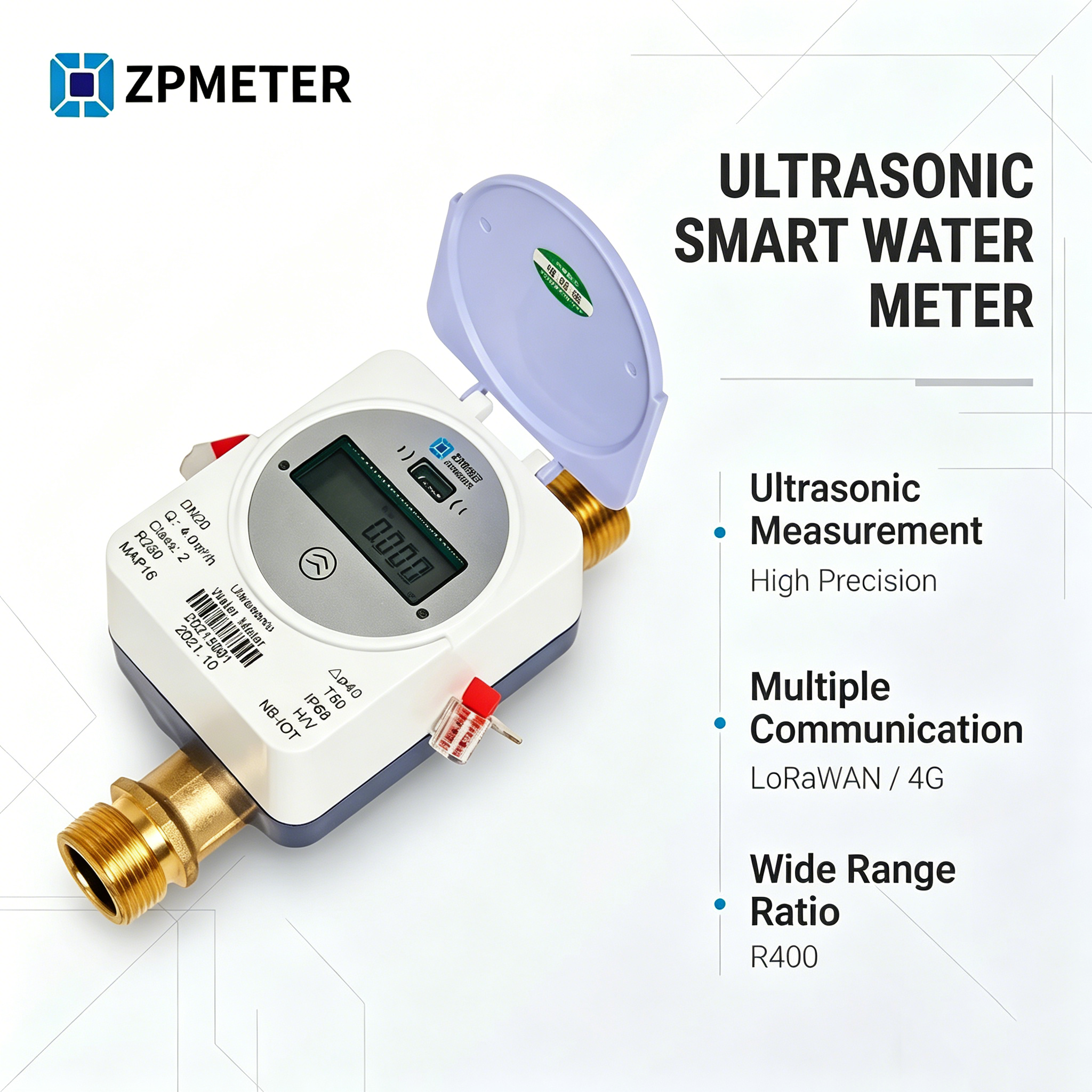
The actual efficacy of any thermal measurement strategy is ultimately tethered to the quality of the hardware deployed in the field. The industry has recently seen a significant push toward components that can withstand extreme environmental conditions—high vibration, fluctuating pressures, and corrosive media—which are standard in heavy-duty manufacturing and industrial environments. The reliability of these instruments depends entirely on advanced sensor calibration, durable materials, and rigorous assembly processes. ZP Meter excels in this specialized domain, utilizing streamlined, high-precision supply chain protocols and sophisticated manufacturing technology to deliver world-class, industrial-grade solutions. By focusing on stringent testing cycles and robust quality control protocols, ZP Meter ensures that each unit provides consistent, long-term performance, empowering clients to maintain their competitive edge in energy-intensive sectors. Reliability in the meter is the foundation upon which accurate data—and therefore, successful business decisions—is built.
Cultivating Sustainability and Trust in Utility Markets
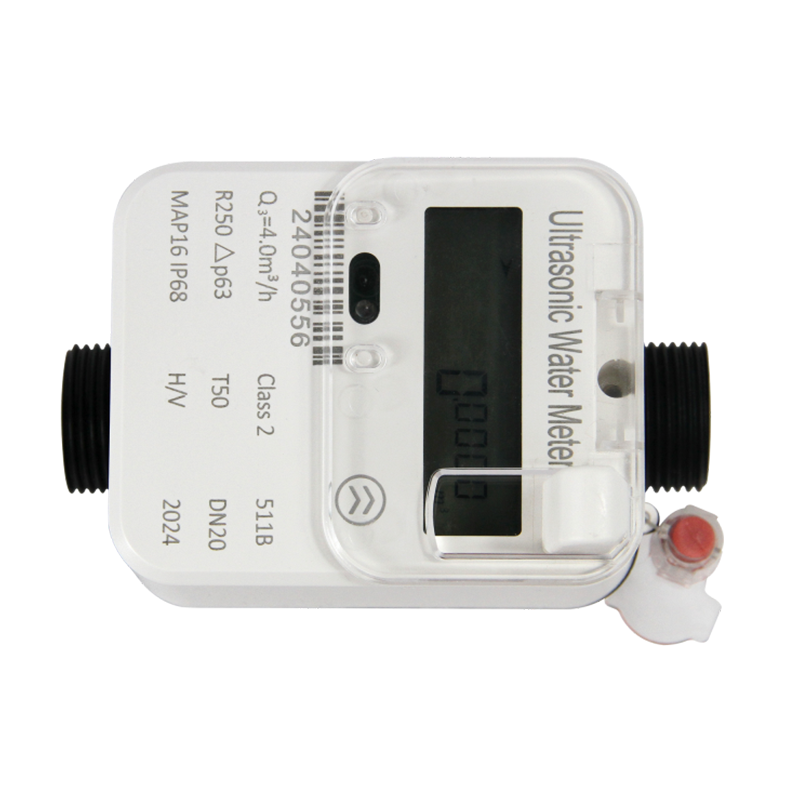
Ultimately, the future of the built environment relies on the inevitable transition to smart, decentralized energy management systems. As global markets continue to pivot toward sustainable, low-carbon infrastructure, the demand for reliable sub-metering technology will only intensify. Whether for a specialized industrial park, a complex manufacturing facility, or a multi-use commercial hub, the deployment of robust measurement hardware remains the cornerstone of responsible energy stewardship. Companies like ZP Meter provide the foundational supply chain reliability, manufacturing expertise, and technical support required to facilitate this critical transition, ensuring that facility owners have direct access to the precise tools necessary for a transparent, energy-efficient future. Trust is fundamentally built in the accuracy of the data, and accurate data begins with superior, meticulously engineered hardware that stands the test of time.
Table of Contents
- Unlocking Precision in Thermal Energy Measurement
- The Engineering Reality Behind Billing Disputes
- Establishing Authority Through Technical Compliance
- Driving Operational Insights Through Data-Driven Analysis
- Bridging Advanced Manufacturing and Reliability
- Cultivating Sustainability and Trust in Utility Markets