
 EN
EN
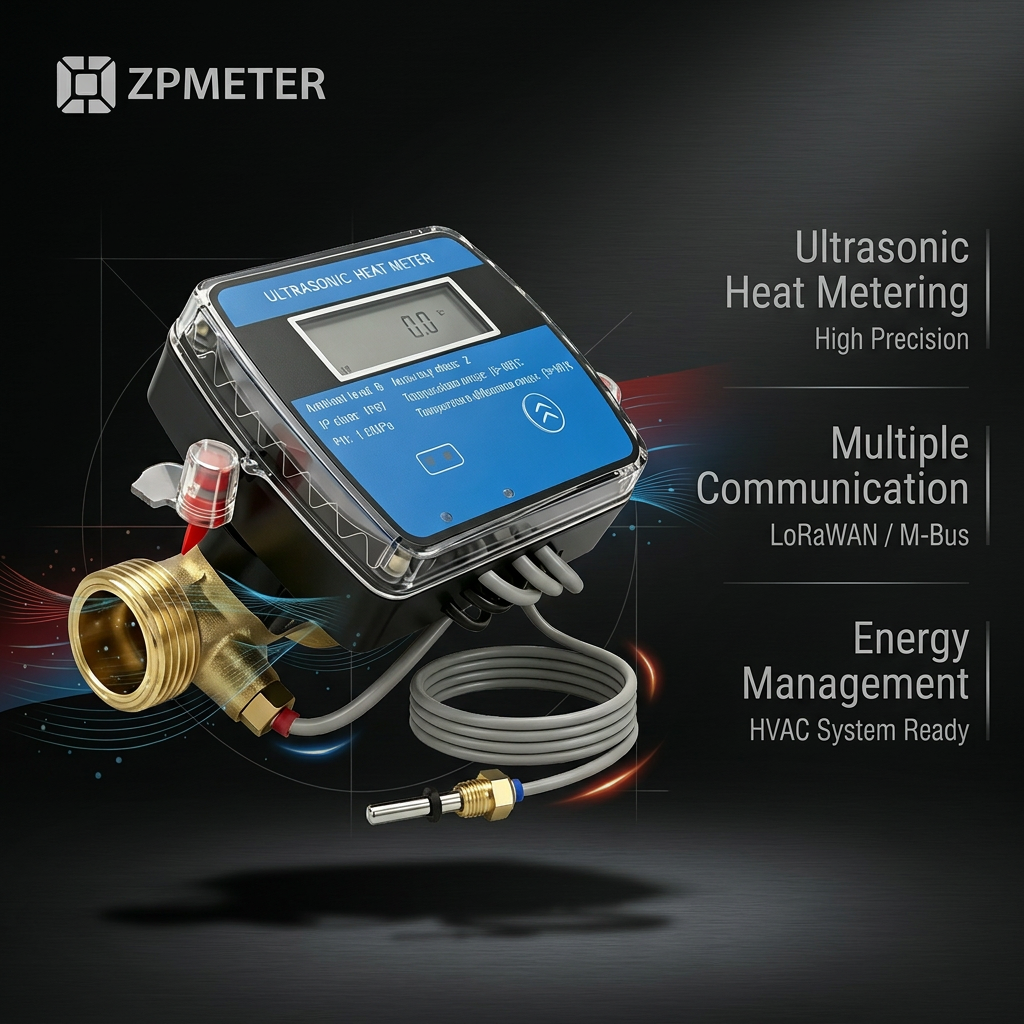
How a BTU Meter Works: Core Principles of Thermal Energy Measurement
The Fundamental Formula: Flow Rate × Temperature Difference × Specific Heat
A BTU meter calculates thermal energy transfer using a precise physical relationship: energy = mass flow rate × temperature difference (ΔT) × specific heat capacity. Its flow sensor measures volumetric flow—typically in gallons or liters per minute—of water or water-glycol solution circulating through the system. Two matched, calibrated temperature sensors—one on the supply and one on the return line—capture the ΔT across the load. A dedicated calculator unit processes these real-time signals, applies fluid density to convert volumetric to mass flow, and uses the appropriate specific heat value (e.g., ~1 Btu/lb·°F for water). The result is instantaneous thermal power, integrated over time to yield total energy in BTUs. This direct, physics-based measurement eliminates reliance on estimated runtime logs or pump curves, delivering facility teams reliable, actionable data for system analysis, commissioning, and billing.
From Joules to BTUs: Why Hydronic Systems Rely on BTU Meters
While energy is expressed internationally in joules (1 BTU ≈ 1,055 J), North American hydronic systems standardize on the British Thermal Unit—the energy required to raise one pound of water by one degree Fahrenheit. BTU meters output energy directly in this native unit, aligning with HVAC equipment specifications, load calculations, and utility billing conventions. Critically, they compensate for variations in fluid density and specific heat caused by temperature shifts or glycol concentration—ensuring accuracy regardless of operating conditions. This native, compensated output simplifies submetering, performance verification, and compliance reporting, removing error-prone unit conversions and reinforcing confidence in data used for engineering decisions and sustainability tracking.
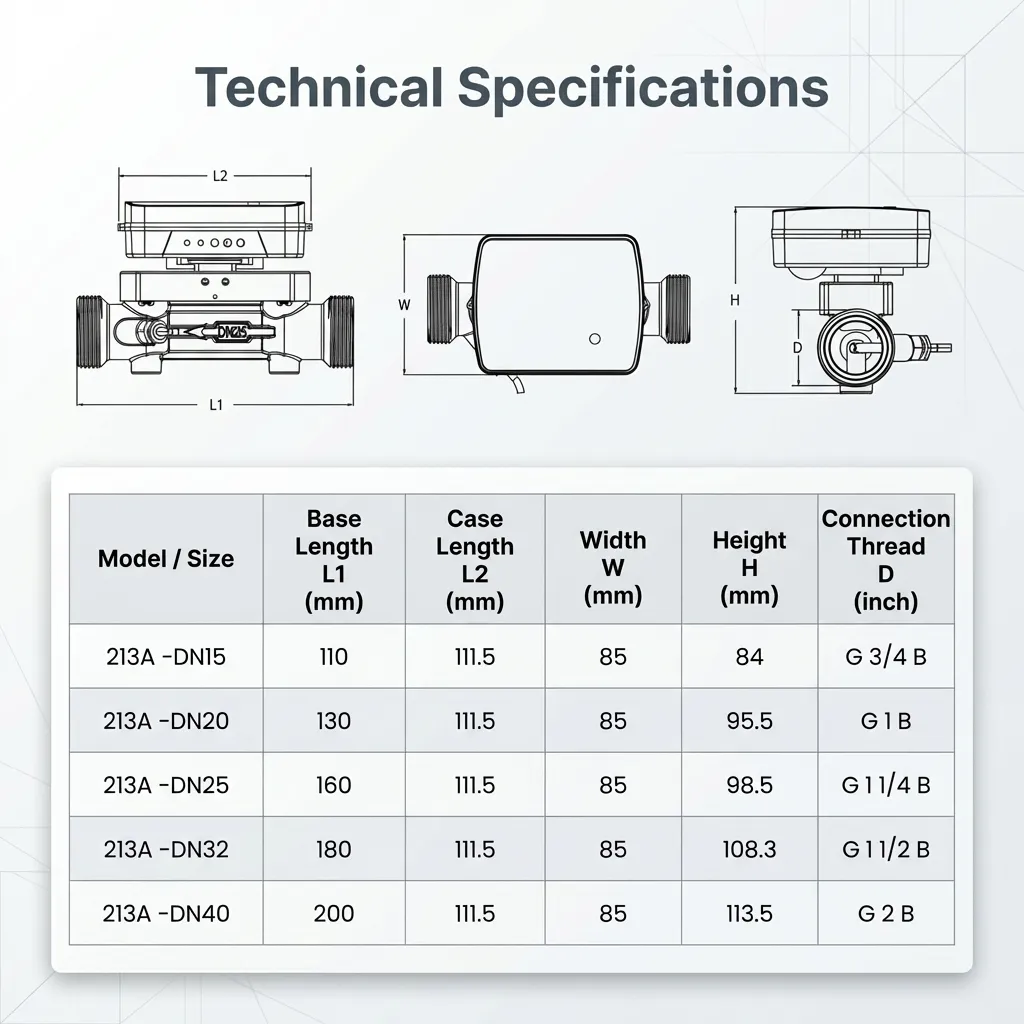
BTU Meter Applications in HVAC Energy Monitoring and Optimization
Real-Time System Performance Tracking in Commercial Buildings
BTU meters provide continuous, high-resolution data on thermal output—enabling facility teams to monitor heating and cooling delivery in real time. A sustained drop in ΔT, for example, can quickly flag fouled heat exchangers, undersized piping, or malfunctioning valves before energy waste compounds. When integrated via BACnet or Modbus into building automation systems (BAS), BTU data populates dashboards that compare actual performance against design benchmarks. In a documented case, a 200,000-square-foot office tower detected a 12% chiller efficiency decline over two weeks—traced to a stuck bypass valve—and corrected it before monthly utility reconciliation. This immediacy shifts maintenance from reactive to condition-based, extending equipment life, sustaining occupant comfort, and supporting compliance with ASHRAE 90.1’s submetering recommendations for energy accountability.
Using BTU Data to Identify Efficiency Gaps and Reduce Operational Waste
Historical BTU logs uncover systemic inefficiencies invisible during routine inspections. Weekend baseload analysis, for instance, often reveals systems running unnecessarily during unoccupied hours. In one campus retrofit, BTU comparisons identified three air-handling units consuming 22% more thermal energy than peers—prompting a duct-leakage audit that confirmed significant losses. These objective insights let facility managers prioritize upgrades—like control sequence recalibration or targeted insulation—with the highest ROI. Industry data shows HVAC optimization guided by BTU metering can improve energy efficiency by up to 30%. Seasonal trend analysis further enables proactive setpoint adjustments during shoulder months, reducing waste without compromising performance. The outcome is a closed-loop improvement cycle—measure, identify, correct, verify—that lowers operating costs, carbon emissions, and risk while preserving system reliability.
Fair Energy Billing and Cost Allocation with BTU Meters
Submetering for Multi-Tenant Buildings: Accuracy, Compliance, and Transparency
In multi-tenant buildings, square-footage–based or flat-rate billing frequently triggers disputes and disincentivizes conservation. BTU meters resolve this by measuring actual thermal energy consumed per tenant—ensuring equitable cost allocation and empowering occupants with accountability. This precision builds trust, supports lease transparency, and encourages energy-conscious behavior. It also satisfies regulatory requirements—including local energy codes and green building standards like LEED—which increasingly mandate verifiable, submetered consumption data. A 2023 case study demonstrated a 20% reduction in building-wide energy costs following submetering implementation, driven by both behavioral shifts and faster fault detection. Detailed usage reports simplify billing audits and accelerate resolution of anomalies—transforming energy from an opaque overhead into a transparent, managed resource aligned with financial and sustainability goals.
BTU Meters in District Energy Systems: Scaling Precision Across Infrastructure
In district heating and cooling networks—where centralized plants serve multiple buildings across campuses or cities—BTU meters form the foundational measurement layer. Installed at plant outlets, branch lines, and individual building inlets, they continuously record flow and ΔT to quantify delivered energy with high fidelity. At the primary interface, a single meter validates supplier invoices against contractual energy deliveries, ensuring fair, auditable billing. Submetering downstream reveals distribution imbalances, excessive heat loss, or underperforming substations—enabling targeted infrastructure upgrades. Modern BTU meters scale seamlessly from one central device to hundreds of endpoints, integrating natively with BMS platforms and cloud analytics tools. According to the International Energy Agency (IEA), district heating systems with precise thermal metering achieve up to 40% primary energy savings compared to decentralized boiler systems. This end-to-end visibility powers automated demand response, predictive maintenance, and verifiable carbon reporting—making BTU metering indispensable for operational excellence and long-term decarbonization strategies.
FAQ
What is the main purpose of a BTU meter?
A BTU meter measures thermal energy transfer in heating and cooling systems, providing reliable data for system analysis, commissioning, and billing.
How does a BTU meter calculate thermal energy?
It uses a formula based on the mass flow rate, temperature difference (ΔT), and specific heat capacity to measure energy transfer.
Why are BTU meters ideal for multi-tenant buildings?
BTU meters ensure equitable energy billing by measuring actual thermal energy consumed per tenant, promoting transparency and energy-conscious behavior.
Can BTU meters help with energy efficiency?
Yes, they identify efficiency gaps, reduce waste, and improve energy optimization, contributing to up to 30% efficiency improvements.
Are BTU meters essential for district energy systems?
Absolutely. They provide precision scaling across infrastructure for accurate energy distribution, billing, and long-term decarbonization strategies.