
 EN
EN
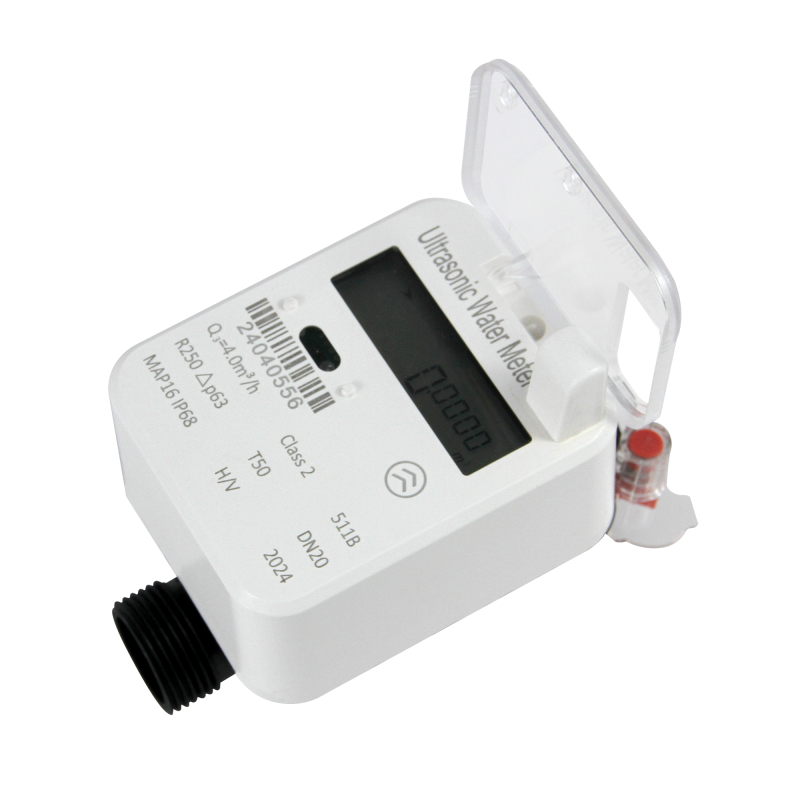
Urban Water Management: Remote Monitoring for Smart Cities
How wireless water meter networks enable city-wide remote monitoring
Wireless water meters form the backbone of today's smart city water systems, allowing cities to monitor usage continuously at thousands of locations throughout their infrastructure. These networks rely on internet-connected devices and low-power wide area network protocols to send live consumption updates straight to central control panels. Cities that have adopted this tech typically see around a 20% drop in lost water each year, as shown in recent studies from the Ponemon Institute. That means millions saved annually just by knowing where leaks happen before they become disasters. Plus, no more sending workers out to check meters manually saves both time and money for local governments dealing with shrinking budgets.
Real-time data transmission improves municipal efficiency and response times
With instantaneous data from wireless water meters, cities can detect pressure anomalies within 15 minutes—dramatically faster than traditional 30-day inspection cycles. This capability was pivotal in Barcelona’s smart water grid, where automated leak alerts enabled response teams to cut pipe repair times by 40%.
Case study: Smart water grid implementation in a mid-sized European town
Toruń, Poland (population 200,000), exemplifies scalable success in smart water deployment. After installing 85,000 wireless water meters equipped with acoustic sensors, the city achieved:
- 34% reduction in unaccounted water within 18 months
- €2.3M in annual savings from optimized pumping schedules
- 92% resident approval due to transparent usage reporting
These outcomes highlight how data-driven infrastructure delivers both fiscal and public trust benefits.
Trend toward integrated IoT platforms for scalable urban water management
More cities are now bringing together different parts of their water systems through smart technology platforms. Take Malmö for instance where combining water meters, flood detection devices and control systems at treatment plants actually cut down on energy usage by around 28%. Pretty impressive when considering they still managed good service even as their population kept growing fast. Looking at what happened there shows why connected systems matter so much these days for making sure our city water setups can handle whatever comes next without breaking down.
Strategies for expanding wireless water meter deployment across municipalities
Successful large-scale rollouts follow a phased strategy:
- Pilot zones: Begin with commercial districts where return on investment is most evident
- Data normalization: Develop standardized APIs to integrate new meters with legacy SCADA systems
- Public engagement: Build support by offering residents access to personalized usage portals
This approach minimizes financial risk and fosters stakeholder buy-in, paving the way for full-city deployment.
Leak Detection and Water Loss Prevention in Residential Systems
Wireless Water Meter Analytics for Early Leak Detection in Homes
Modern wireless meters detect leaks 34% faster than conventional systems by continuously analyzing flow rates and pressure fluctuations. A 2024 plumbing efficiency study found these devices prevent an average of 7,600 gallons of water waste per household annually by identifying common issues such as faulty toilet flappers and degraded pipe joints.
Reducing Infrastructure Damage and Water Waste Through Proactive Alerts
Automated alerts reduce repair costs by 63% by allowing homeowners to act before minor leaks cause structural damage. Research shows that systems with moisture sensors and AI-driven notifications resolve 89% of small leaks within 48 hours—compared to a 22-day average for undetected cases—significantly limiting property damage and insurance claims.
Balancing Cost: Initial Investment vs. Long-Term Savings From Leakage Reduction
While installation costs range from $275 to $400 per home, most households recoup this investment within 16 months through lower water bills and insurance discounts. Municipal data indicates properties with wireless meters save $1,200 annually by avoiding catastrophic leaks, which account for 37% of residential water damage claims.
Minimizing False Positives With Intelligent Threshold-Based Monitoring Systems
Advanced meters use machine learning to analyze usage patterns and eliminate 92% of false alarms caused by temporary spikes like laundry cycles. By comparing real-time flow data against historical baselines, these systems maintain 99.1% detection accuracy and reduce unnecessary service calls by 81% compared to first-generation models.
Commercial and Industrial Applications of Wireless Water Meters
Smart Water Meter Use in Office Buildings, Shopping Centers, and Commercial Complexes
According to the Commercial Smart Water Meter Report from 2024, about 72 percent of big commercial buildings have adopted IoT enabled wireless meters these days. These smart devices handle billing automatically while making day to day operations much smoother for facility managers. The meters keep track of how water is being used throughout different areas like bathrooms, heating and cooling systems, and outdoor sprinklers all at once. For places such as office complexes and retail malls, this real time monitoring helps spot where water might be going to waste. Some reports even suggest that businesses can cut down their overall water usage somewhere around 15 to 20 percent after installing these systems.
Monitoring Daily Consumption and Detecting Anomalies to Prevent Overuse
Analytics platforms correlate hourly water use with occupancy and weather data to detect irregularities. A 2023 water efficiency study found that facilities using wireless meters identified leaks 40% faster than those relying on manual checks, saving an average of $15,000 annually in repair and waste costs.
Case Study: Water Loss Management in a Large Commercial Complex
A European retail complex slashed water waste by 35% within six months of deploying 1,200 wireless meters. The system detected a malfunctioning cooling tower valve wasting 12,000 gallons daily—an issue missed for eight months under bimonthly manual readings—demonstrating the power of continuous monitoring in large-scale operations.
Industrial Applications: Real-Time Monitoring for Manufacturing and Heavy-Duty Processes
In industrial settings, wireless meters handle high flow rates and corrosive fluids, making them ideal for manufacturing environments. Recent analyses of industrial IoT implementations show that integrating meter data with supervisory control systems enables real-time water quality adjustments, increasing reuse rates by 22%.
Ensuring Compliance and Optimizing Water Use with Data-Driven Industrial Systems
Automated reporting tools help chemical plants and food processors meet EPA standards while fine-tuning rinse cycles and process flows. One automotive parts manufacturer reduced freshwater intake by 29% by aligning meter data with production schedules, illustrating how wireless monitoring supports both regulatory compliance and operational efficiency.
Wireless Communication Technologies in Modern Water Metering Infrastructure
Modern water infrastructure relies on specialized wireless technologies that balance coverage, bandwidth, and power efficiency. LPWAN, LoRa, NB-IoT, and RF mesh networks each serve distinct deployment needs, as demonstrated in recent infrastructure studies:
| Technology | Range | Data Rate | Power Use | Ideal Use Case |
|---|---|---|---|---|
| LPWAN | 2–15 km | 0.3–50 kbps | Ultra-low | Rural/suburban meter clusters |
| LoRa | 5–10 km | 0.3–27 kbps | Low | Medium-density urban networks |
| NB-IoT | 1–10 km | 50–200 kbps | Moderate | Smart city integrations |
| RF Mesh | 0.1–1 km | 100–300 kbps | High | High-density urban deployments |
Fixed LPWAN systems provide continuous monitoring for wide-area networks, while walk-by and drive-by systems leverage short-range Wireless M-Bus for hard-to-reach installations. A 2023 water infrastructure survey found hybrid collection methods reduce meter reading costs by 34% compared to manual approaches.
When choosing technology, scale and population density matter a lot. LPWAN works great in rural or sparsely populated regions where coverage needs to stretch over large distances. On the flip side, RF mesh networks tend to be better suited for crowded city centers where lots of devices need to communicate closely. The physical world makes a big difference too. Things like concrete buildings and mountainous terrain can really mess with signals. That's why many experts suggest having cellular backup ready for situations where reliable communication is absolutely essential. Looking at actual field testing results shows something interesting about NB-IoT. It manages around 98.7 percent successful data transmissions even when deployed across complex urban landscapes with varying conditions. This kind of performance makes NB-IoT an important part of the puzzle for cities trying to build comprehensive smart infrastructure systems.
FAQ
What are wireless water meters?
Wireless water meters are devices that use internet connectivity and low-power networks to provide real-time water consumption updates and help cities manage water infrastructure effectively.
How do wireless water meters help in detecting leaks?
These meters can continuously analyze flow rates and pressure fluctuations, allowing cities and homeowners to detect anomalies faster than traditional methods, leading to efficient leak detection and management.
What technologies support wireless water metering?
Technologies like LPWAN, LoRa, NB-IoT, and RF Mesh networks support wireless water metering by balancing coverage, bandwidth, and power efficiency for various deployment needs.
What benefits do commercial buildings gain from using wireless water meters?
Commercial buildings can automate billing, increase operational efficiency, and reduce water waste by using advanced analytics platforms enabled by wireless water meters.
Table of Contents
-
Urban Water Management: Remote Monitoring for Smart Cities
- How wireless water meter networks enable city-wide remote monitoring
- Real-time data transmission improves municipal efficiency and response times
- Case study: Smart water grid implementation in a mid-sized European town
- Trend toward integrated IoT platforms for scalable urban water management
- Strategies for expanding wireless water meter deployment across municipalities
- Leak Detection and Water Loss Prevention in Residential Systems
-
Commercial and Industrial Applications of Wireless Water Meters
- Smart Water Meter Use in Office Buildings, Shopping Centers, and Commercial Complexes
- Monitoring Daily Consumption and Detecting Anomalies to Prevent Overuse
- Case Study: Water Loss Management in a Large Commercial Complex
- Industrial Applications: Real-Time Monitoring for Manufacturing and Heavy-Duty Processes
- Ensuring Compliance and Optimizing Water Use with Data-Driven Industrial Systems
- Wireless Communication Technologies in Modern Water Metering Infrastructure
- FAQ