Modbus Thermal Energy Meters: 99% Accuracy + ROI

All Categories
Unmatched Precision and Efficiency with Modbus Thermal Energy Meters

Unmatched Precision and Efficiency with Modbus Thermal Energy Meters

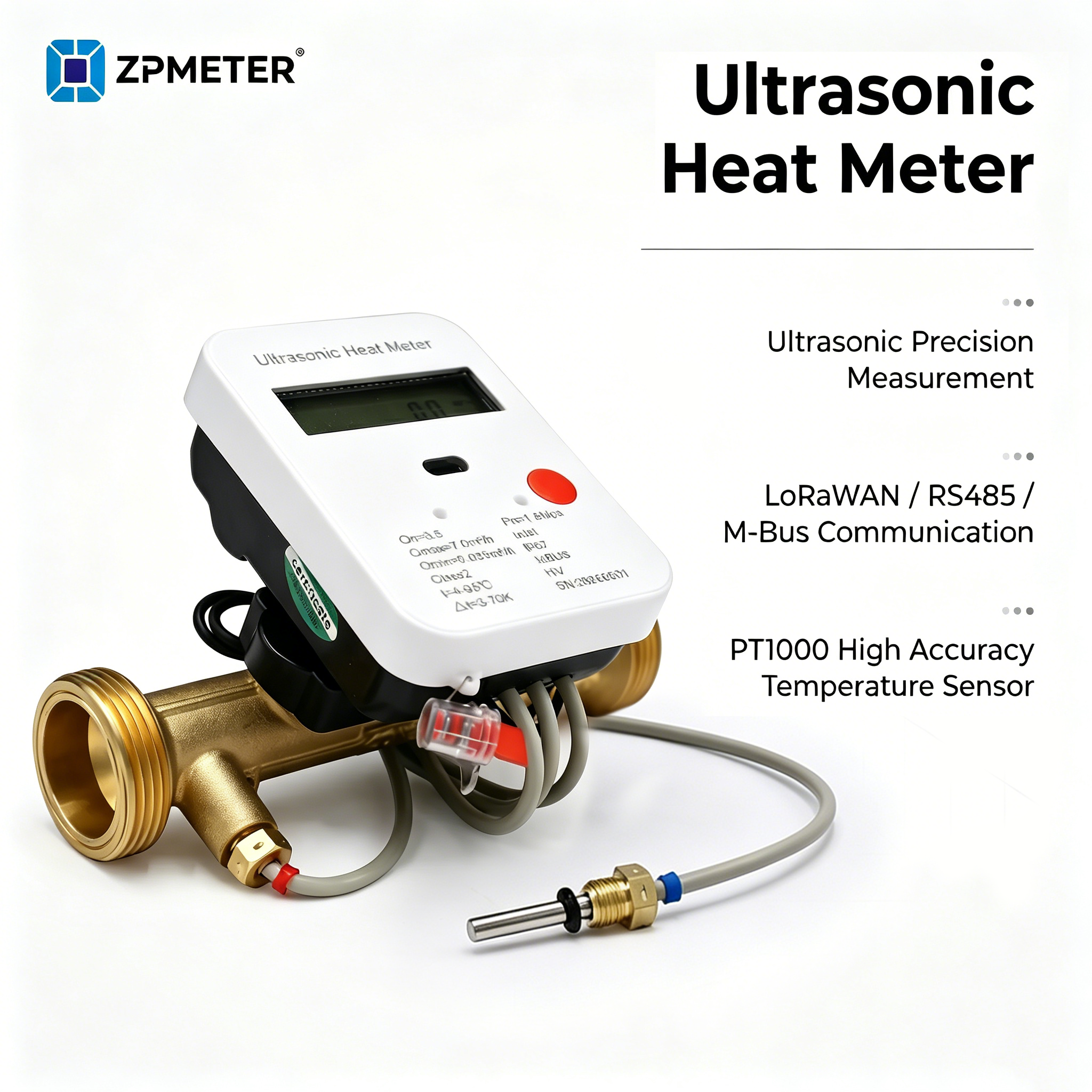
At Hangzhou Zhongpei Electronics Co., Ltd., our Modbus Thermal Energy Meters exemplify cutting-edge technology and unparalleled efficiency. Designed for seamless integration into existing energy management systems, these meters enable precise monitoring and management of thermal energy consumption. With an accuracy rate exceeding 99%, our meters help utilities and municipalities optimize energy usage, significantly reducing waste and operational costs. For instance, a recent deployment in a major city resulted in a 15% reduction in energy costs over six months, showcasing the effectiveness of our solutions. Our commitment to innovation ensures that our products not only meet but exceed industry standards, providing clients with reliable data to inform their energy strategies.
Get A Quote

Real-World Applications of Modbus Thermal Energy Meters

Enhancing Efficiency in Municipal Heating Systems

A municipal heating authority implemented our Modbus Thermal Energy Meters across its network, leading to a 20% decrease in energy loss during transmission. By accurately tracking heat distribution, the authority optimized its operations, resulting in annual savings of over $200,000. The integration of our meters allowed for real-time data analysis, enabling proactive adjustments to heating schedules based on demand.

Optimizing Energy Use in Commercial Buildings

A large commercial complex adopted our Modbus Thermal Energy Meters to improve energy efficiency. Post-installation, the building's management reported a 30% reduction in heating costs within the first year. The meters facilitated detailed monitoring, allowing for targeted energy conservation strategies that enhanced overall sustainability.

Streamlining Operations in Industrial Settings

An industrial facility integrated our Modbus Thermal Energy Meters into its production line, achieving a remarkable 25% reduction in energy consumption. The precise data provided by the meters enabled the facility to identify inefficiencies and implement corrective measures, significantly boosting productivity and profitability.

Related products

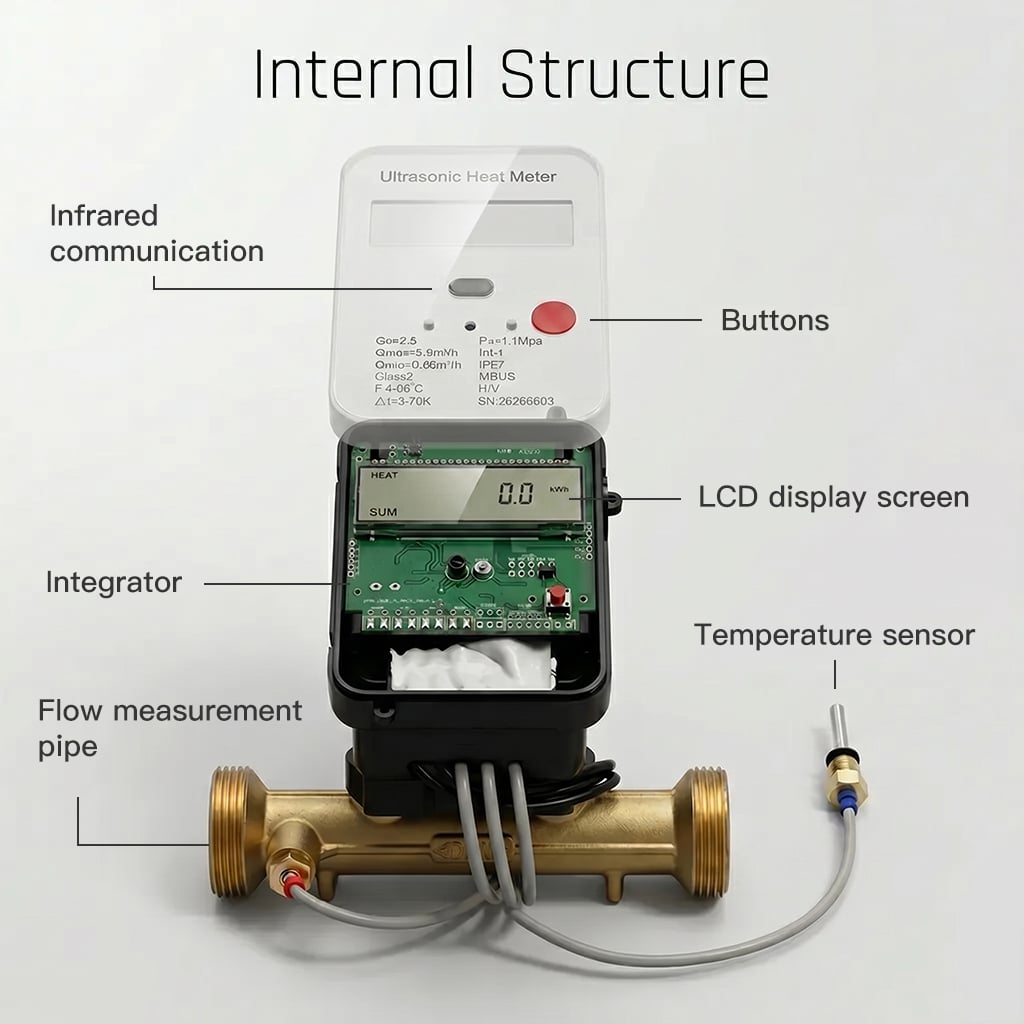
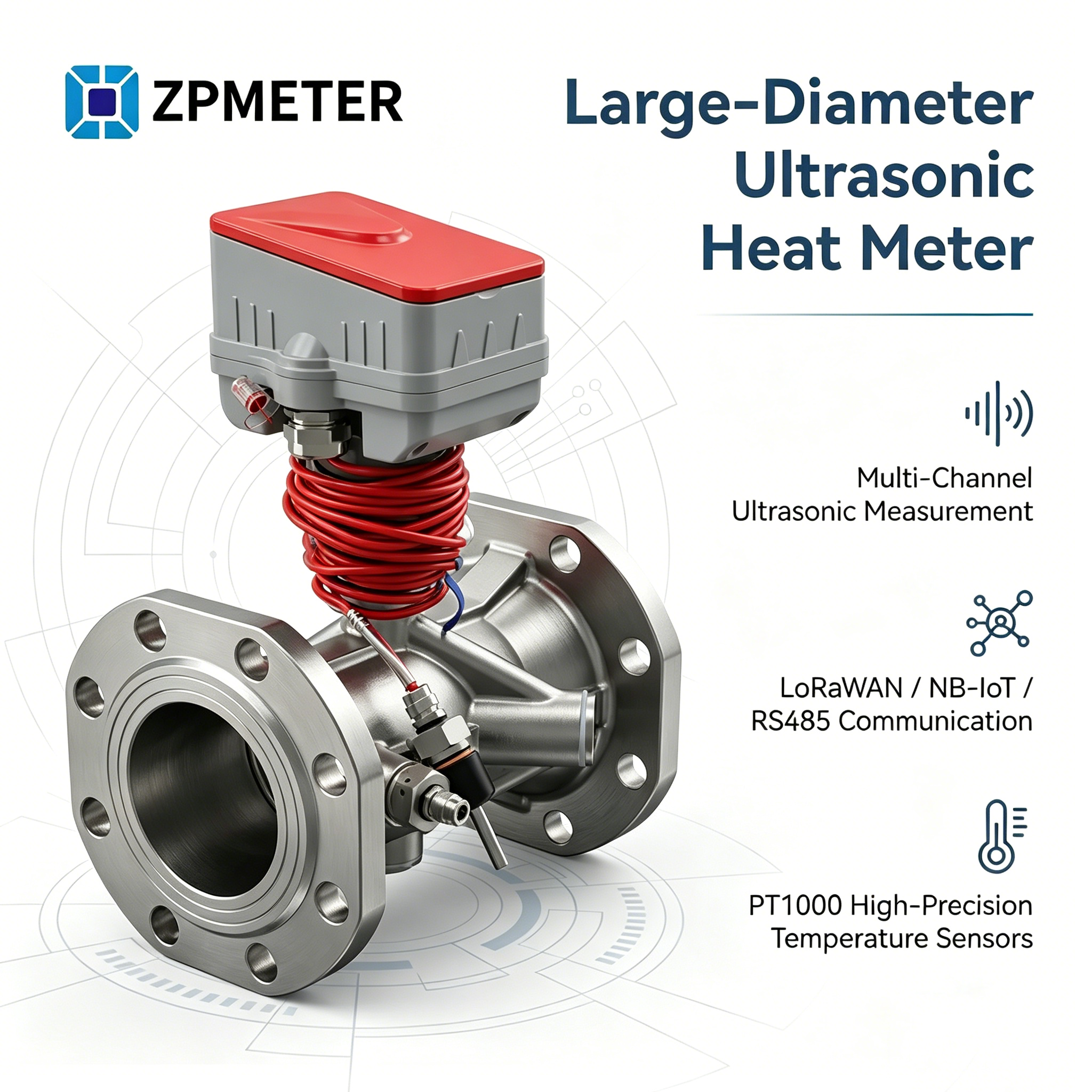
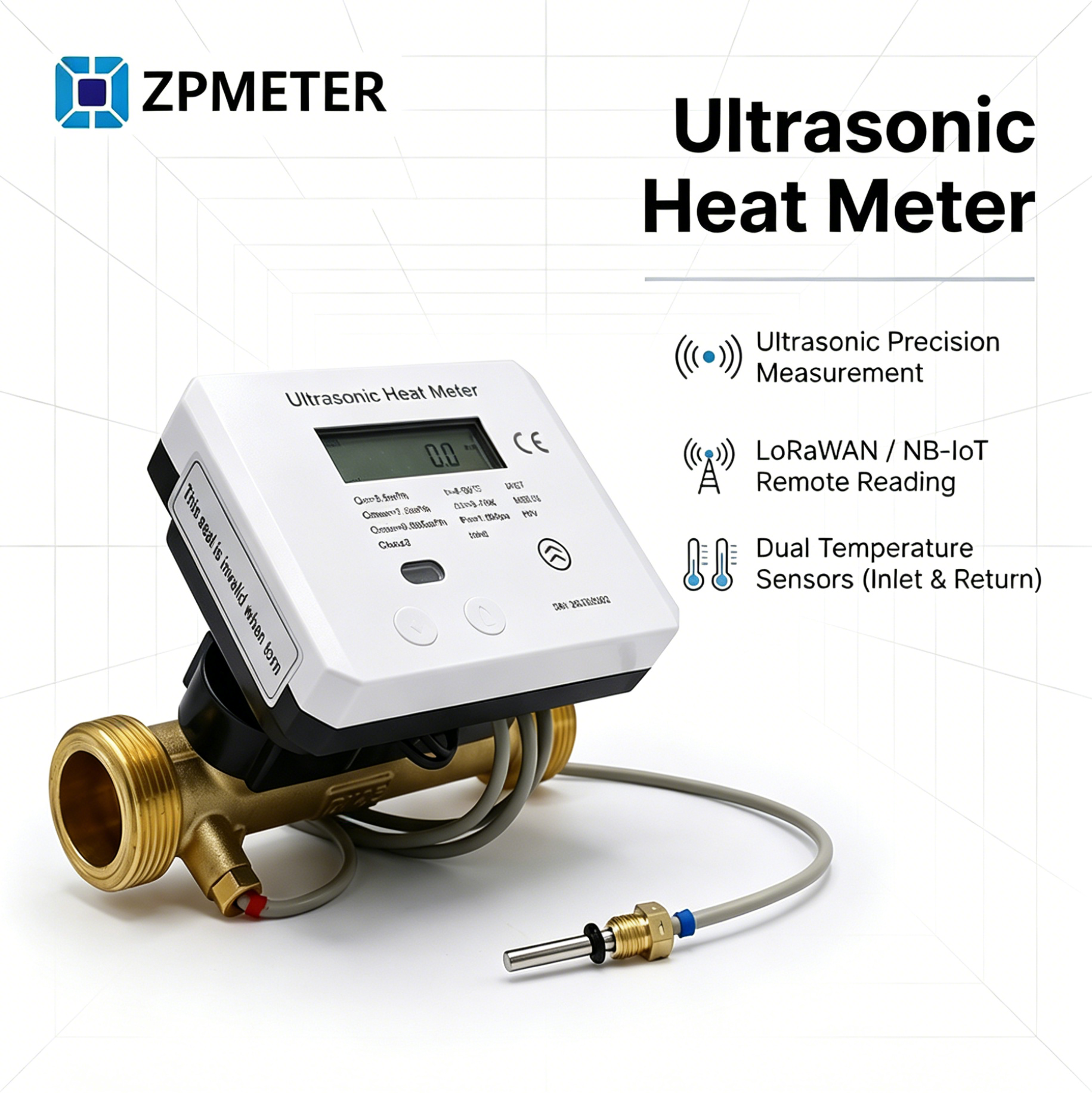
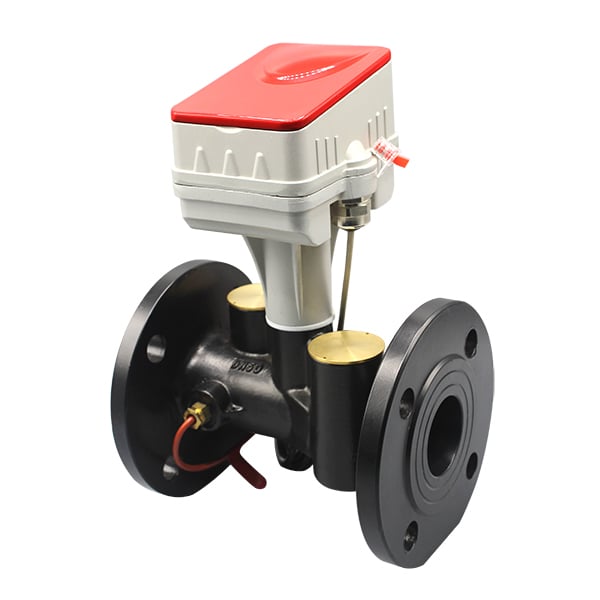
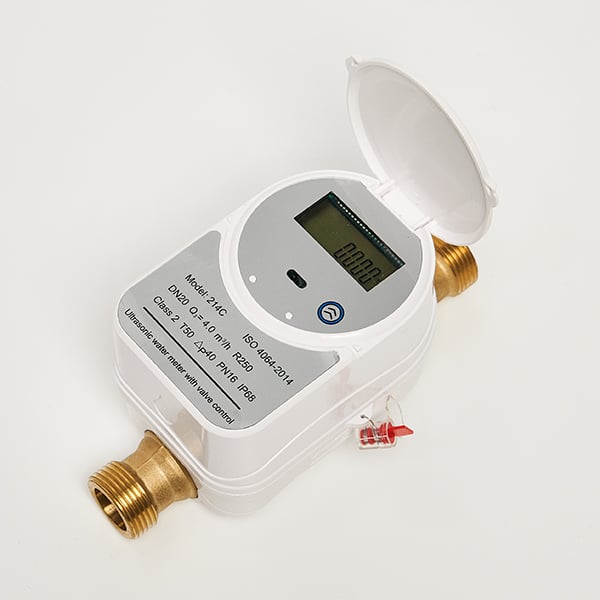
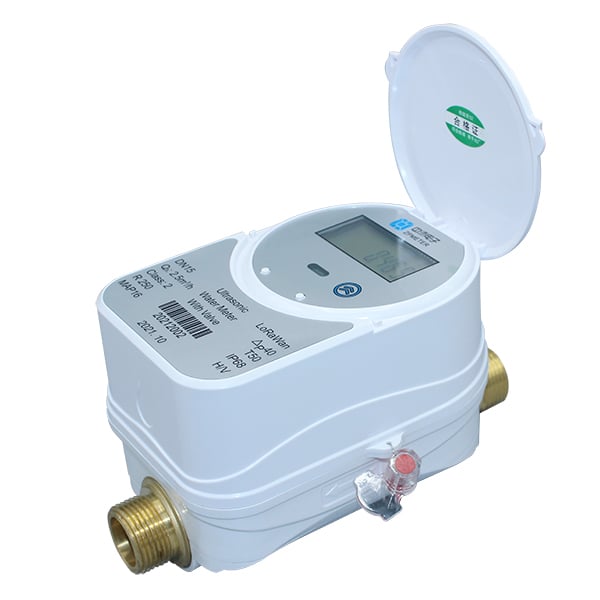
The Modbus Thermal Energy Meter is a revolutionary device designed to cater to the diverse needs of energy management in various sectors, including municipal, industrial, and commercial applications. With its advanced ultrasonic measurement technology, it ensures high accuracy and reliability, crucial for effective energy monitoring. Our commitment to research and development has led to the creation of a robust product that not only measures thermal energy but also integrates seamlessly with existing infrastructure. With over 16 years of experience in the field, we understand the unique challenges faced by our clients, and our meters are engineered to address these effectively. The global shift towards sustainability makes our Modbus Thermal Energy Meters indispensable, as they provide the data necessary for informed decision-making, ultimately leading to reduced resource waste. By utilizing our products, clients can expect not only enhanced operational efficiency but also a significant contribution to environmental conservation efforts.

Frequently Asked Questions

What is a Modbus Thermal Energy Meter?

A Modbus Thermal Energy Meter is a device used to measure the thermal energy consumption in heating systems. It provides accurate data for monitoring and managing energy use, ensuring efficiency and cost savings.
The Modbus protocol allows for seamless communication between the meter and energy management systems, enabling real-time data access and analysis. This enhances operational efficiency and decision-making processes.
Yes, our Modbus Thermal Energy Meters are designed for easy integration with existing energy management systems, making upgrades straightforward and cost-effective.
Industries such as municipal heating, commercial buildings, and manufacturing facilities can all benefit from the accurate monitoring and management capabilities of our Modbus Thermal Energy Meters.

Related Articles

Which M-Bus water meters support centralized data collection?

19

Jan

Which M-Bus water meters support centralized data collection?

OMS-Compliant M-Bus Water Meters: The Foundation for Centralized Collection Why OMS Certification Ensures Interoperability Across Centralized Systems The Open Metering System (OMS) certification tackles those frustrating compatibility issues that co...
View More
How do automated test benches improve water meter calibration?

23

Mar

How do automated test benches improve water meter calibration?

Why Calibration Accuracy Demands Automated Water Meter Test BenchesRegulatory & Operational Drivers: ISO 4064-2:2014, NRW reduction, and audit readinessWater companies have to meet pretty tight accuracy standards these days. Take ISO 4064-2:2014 for ...
View More
Which OEM Factory Provides Custom Lorawan Wireless Water Meter Services?

23

Mar

Which OEM Factory Provides Custom Lorawan Wireless Water Meter Services?

Core Technical Requirements for LoRaWAN Water Meter Customization ULP Hardware Design: IP68 Sealing, Pulse/Modbus Interfaces, and Battery Life Optimization The reliability of LoRaWAN water meters really depends on ultra low power hardware at their ...
View More
OEM-ODM-Factory-Delivers-Custom-High-Precision-Ultrasonic-Water-Meters

23

Mar

OEM-ODM-Factory-Delivers-Custom-High-Precision-Ultrasonic-Water-Meters

How Transit-Time Ultrasonic Water Meter Technology Achieves 0.5 Class AccuracyTransit-Time vs. Doppler: Why Transit-Time Is the Standard for Clean Water Measurement Transit time ultrasonic tech works by looking at how long it takes sound waves to tr...
View More

Customer Testimonials

John Smith

The Modbus Thermal Energy Meter has transformed our energy management approach. We've seen a 20% reduction in costs and the support from Hangzhou Zhongpei has been outstanding!

Sarah Johnson

Implementing the Modbus Thermal Energy Meter was a game changer for our industrial operations. The data accuracy has helped us optimize our processes significantly.

Get a Free Quote

Our representative will contact you soon.
Email
Name
Company Name
Message
0/1000
Unmatched Data Accuracy

Unmatched Data Accuracy

Our Modbus Thermal Energy Meters represent the absolute pinnacle of fluid sensing innovation, utilizing state-of-the-art transit-time ultrasonic technology to deliver unrivaled measurement precision for complex thermal distribution networks. By employing high-frequency acoustic waves to calculate flow velocity and temperature differentials with a confirmed accuracy rate exceeding 99%, our devices effectively bypass the inherent mechanical limitations—such as internal friction, mineral buildup, signal drift, and inevitable mechanical wear—that plague traditional, turbine-based metering hardware. This solid-state, non-invasive architecture eliminates all internal moving parts, which are the primary sources of failure in conventional hardware, ensuring that measurements remain consistently accurate, stable, and drift-free over the long term.
Seamless Integration and Scalability

Seamless Integration and Scalability

The true power of our Modbus Thermal Energy Meters lies in their sophisticated, "plug-and-play" engineering, designed to act as a frictionless bridge between legacy infrastructure and the future of intelligent, connected utility management. By utilizing the widely adopted Modbus communication protocol, our meters ensure seamless, low-latency interoperability with a vast array of existing PLC systems, SCADA platforms, and building management frameworks, effectively eliminating the need for expensive, high-risk system overhauls. This comprehensive compatibility is a critical asset; it allows facility managers to layer advanced digital metering intelligence over their current networks without any disruption to vital workflows. Furthermore, our architecture is inherently scalable, making it a perfect fit for a diverse range of operational requirements—from compact municipal district heating loops to massive, multi-departmental industrial complexes.