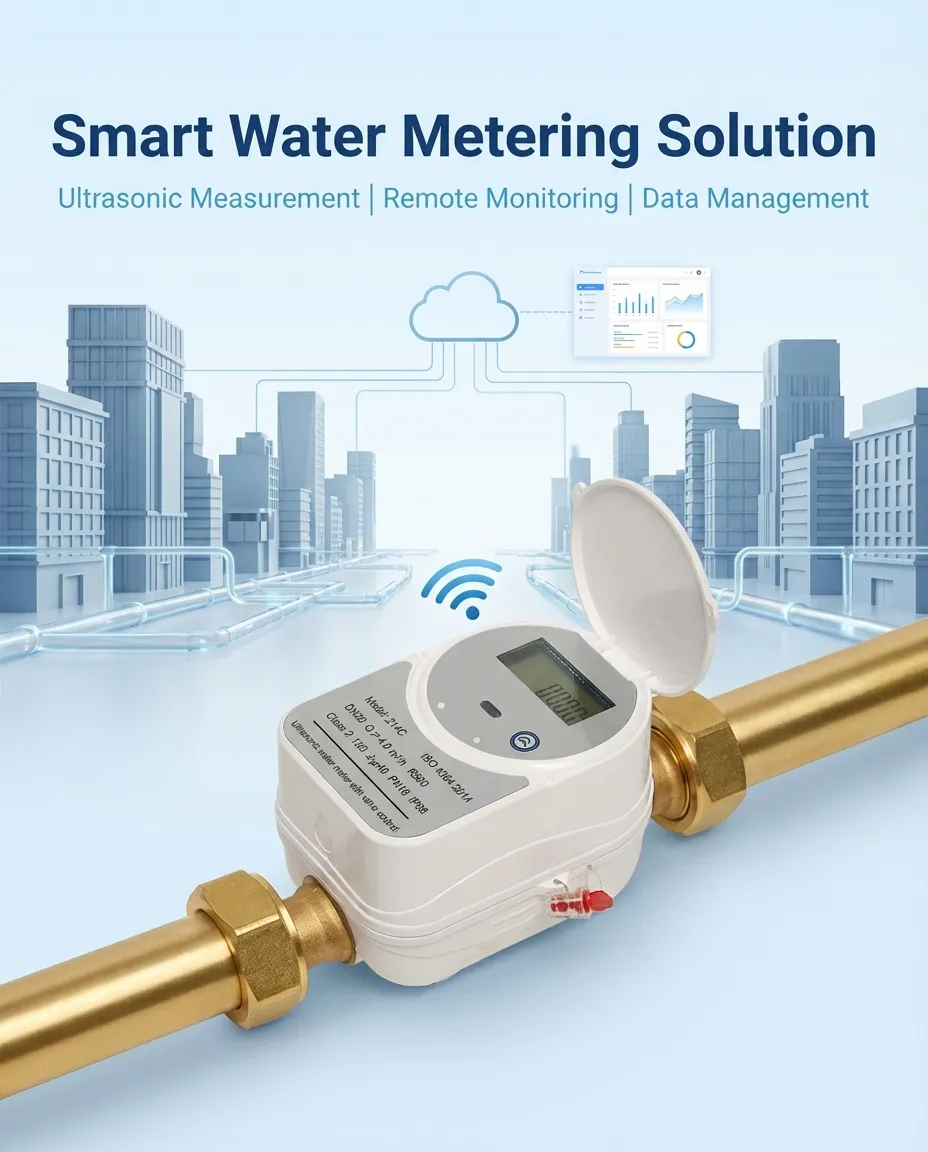
Superior Accuracy and Long-Term ReliabilityHow mechanical meter drift undermines billing integrity over timeMechanical water meters rely on moving parts—impellers, pistons, or oscillating discs—that gradually wear under continuous flow, sediment, and...
VIEW MORE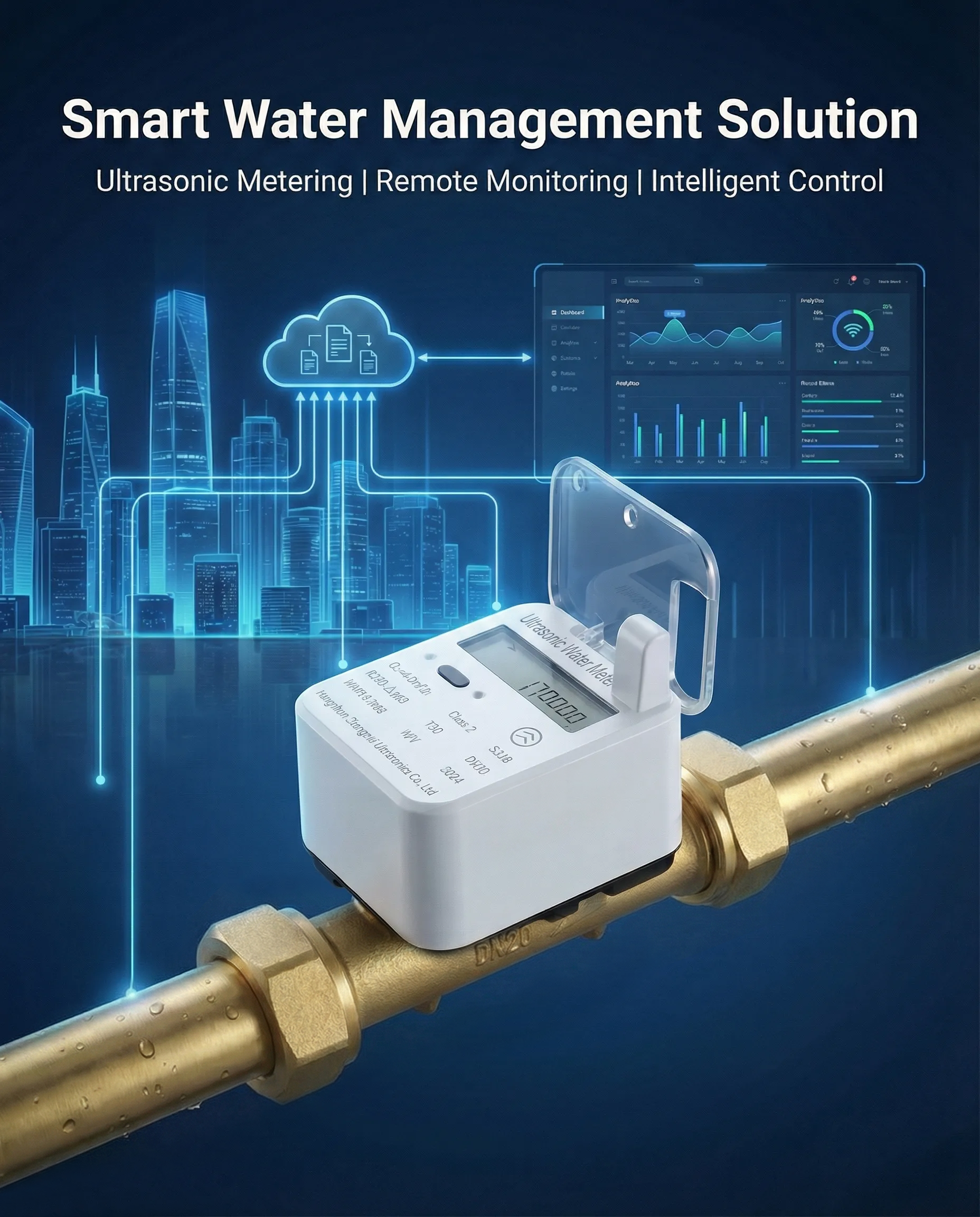
Smart Water Meters Architecture: AMR vs. AMI EvolutionSmart water meters have evolved through two dominant architectures: Automatic Meter Reading (AMR) and Advanced Metering Infrastructure (AMI). AMR introduced one-way, periodic data collection—often...
VIEW MORE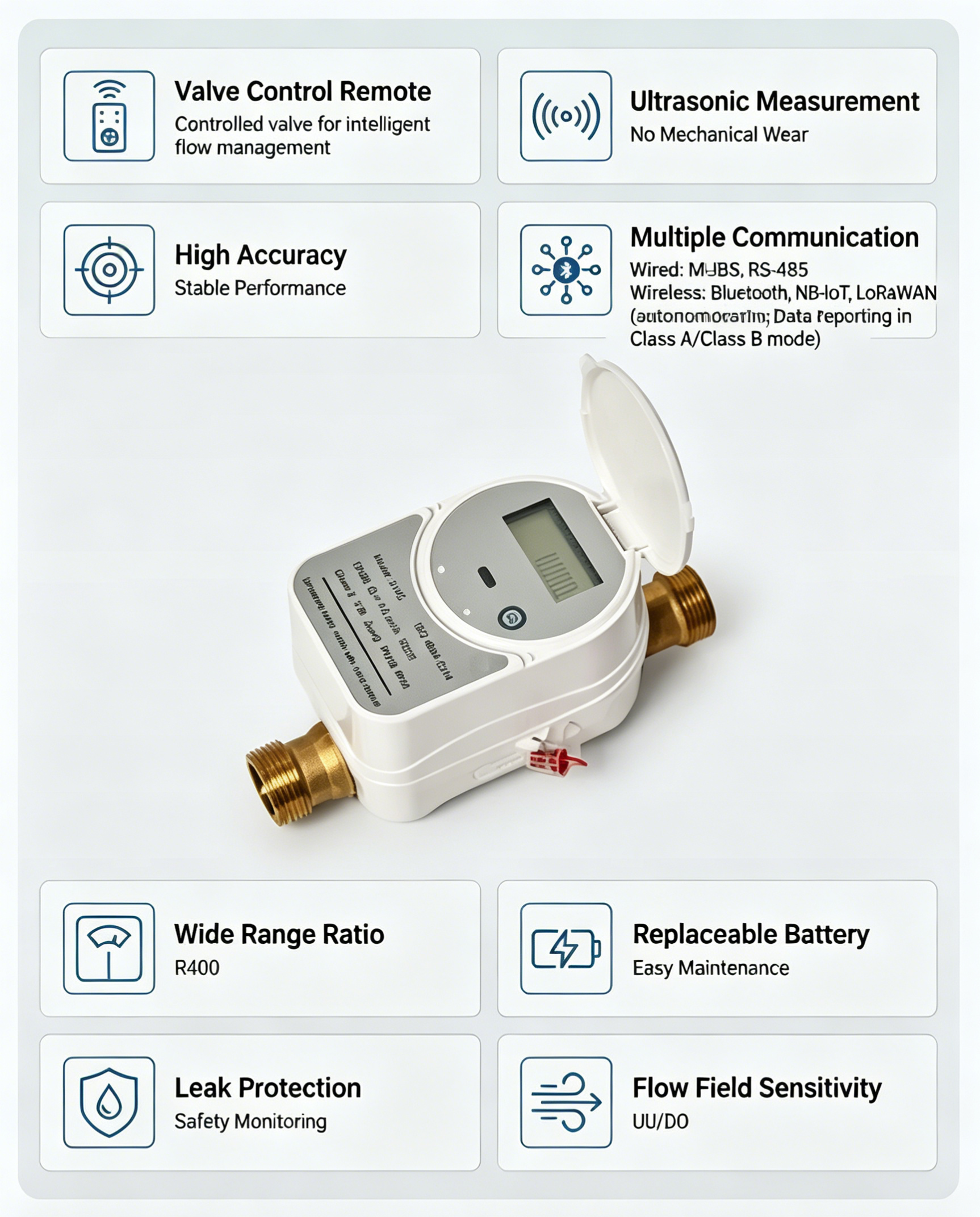
Typical Lifespan of an Ultrasonic Water Meter: Benchmarks and Real-World Data Average service life: 12–15 years under optimal conditions Under optimal conditions—stable pressure, low sediment, and correct straight-pipe runs—an ultrasonic water mete...
VIEW MORE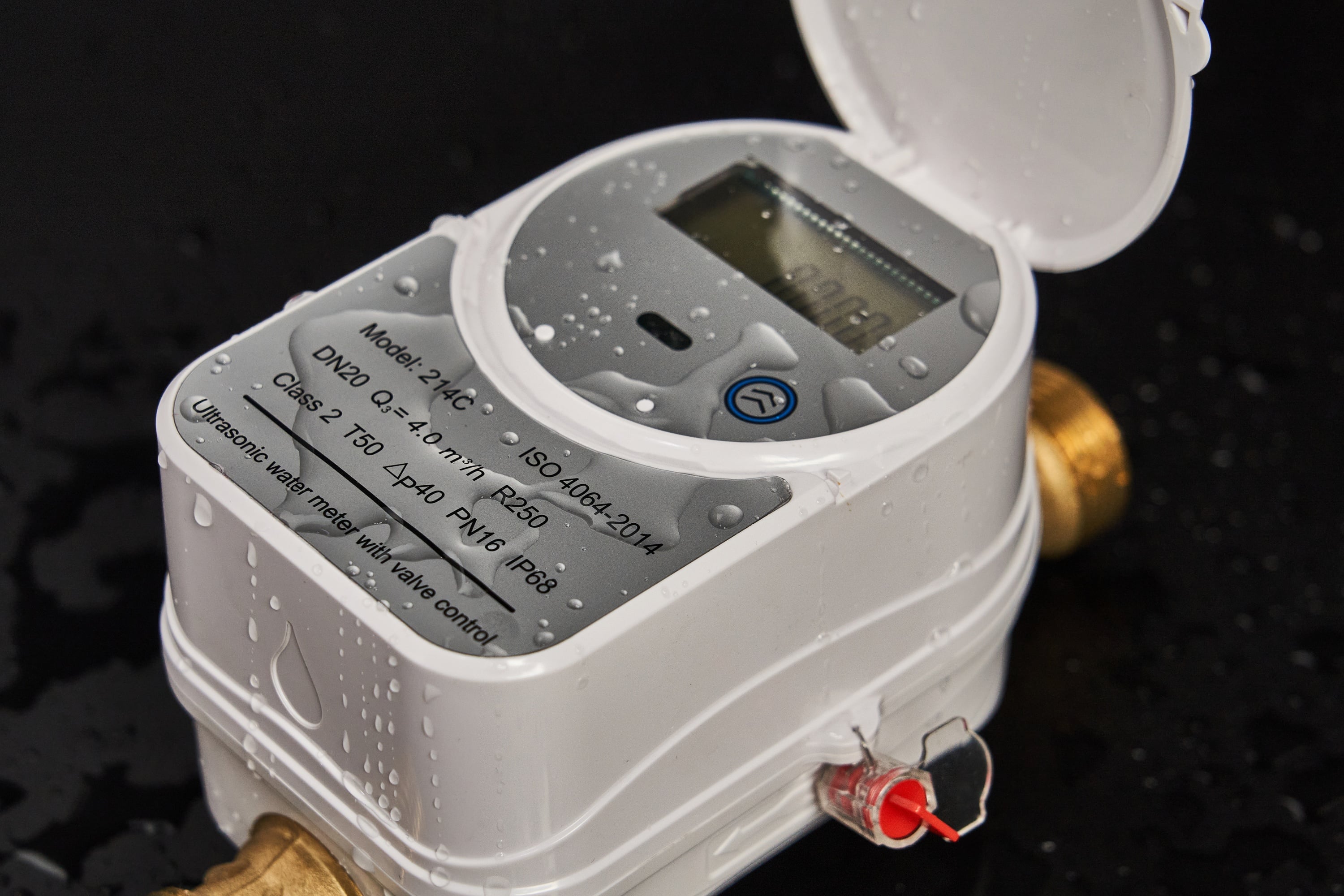
Precision Measurement Across All Flow RangesAn ultrasonic water meter delivers stable, high-accuracy measurement across the full residential flow range—from a trickle of 0.01 L/min to peak household demand. Unlike mechanical meters, whose accuracy de...
VIEW MORE
Operational Efficiency: Simplifying Property Management with Prepaid Water MetersTraditional water billing creates recurring administrative work: reading meters, generating invoices, chasing late payments, and reconciling accounts. A prepaid water me...
VIEW MORE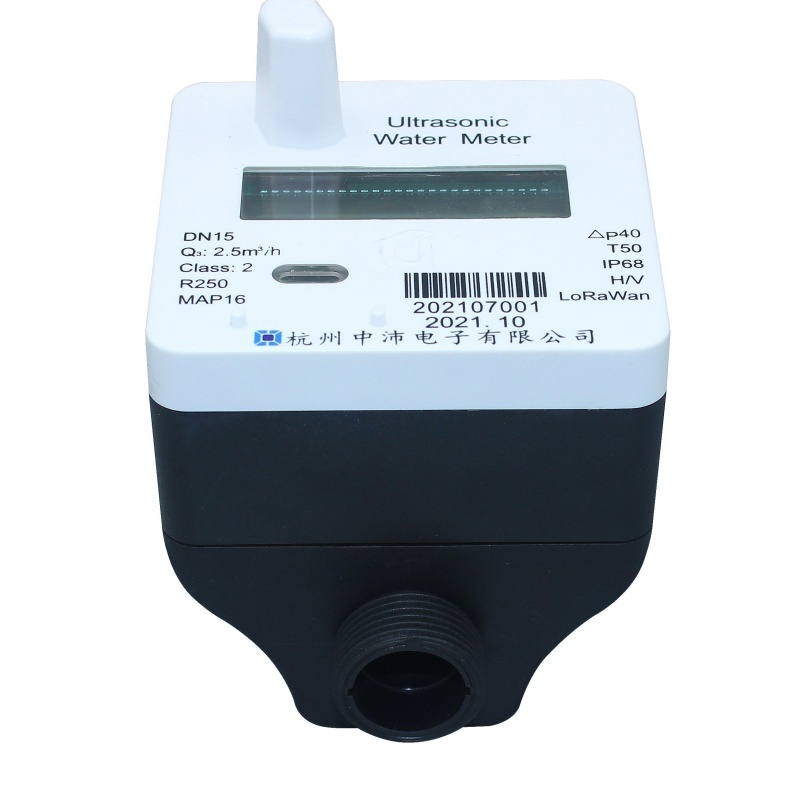
Structural Realities and Fluid Measurement Principles Navigating the operational realities of municipal distribution networks reveals a fundamental divergence between traditional mechanical meters and solid-state solutions. For over a century, wate...
VIEW MORE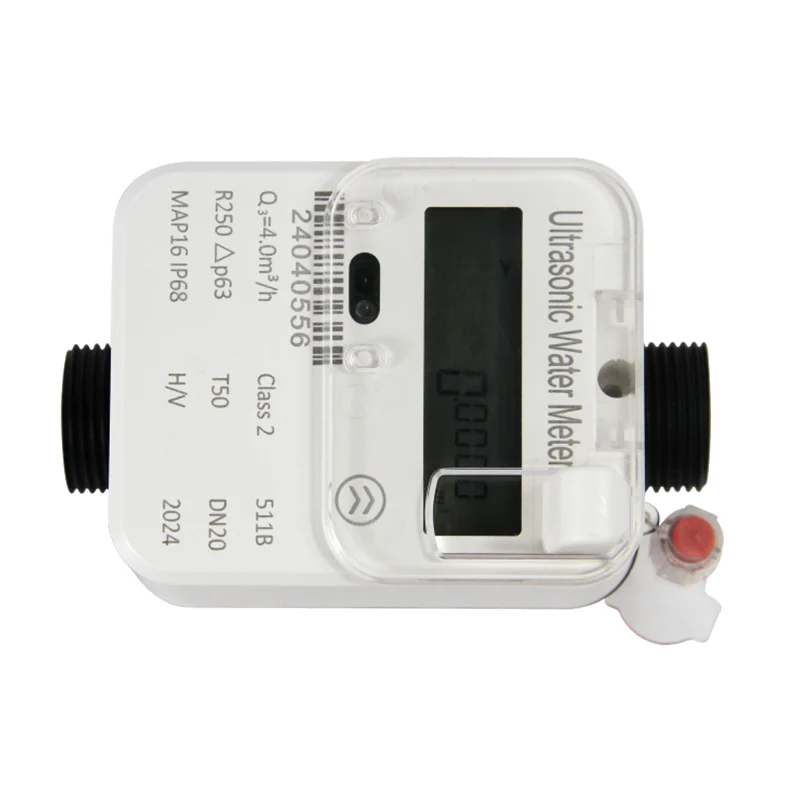
Escaping Mechanical Fatigue and Securing Long-Term Measurement Stability Municipal water networks and industrial facility managers have long grappled with the inherent flaws of mechanical water meters. For decades, mechanical displacement meters re...
VIEW MORE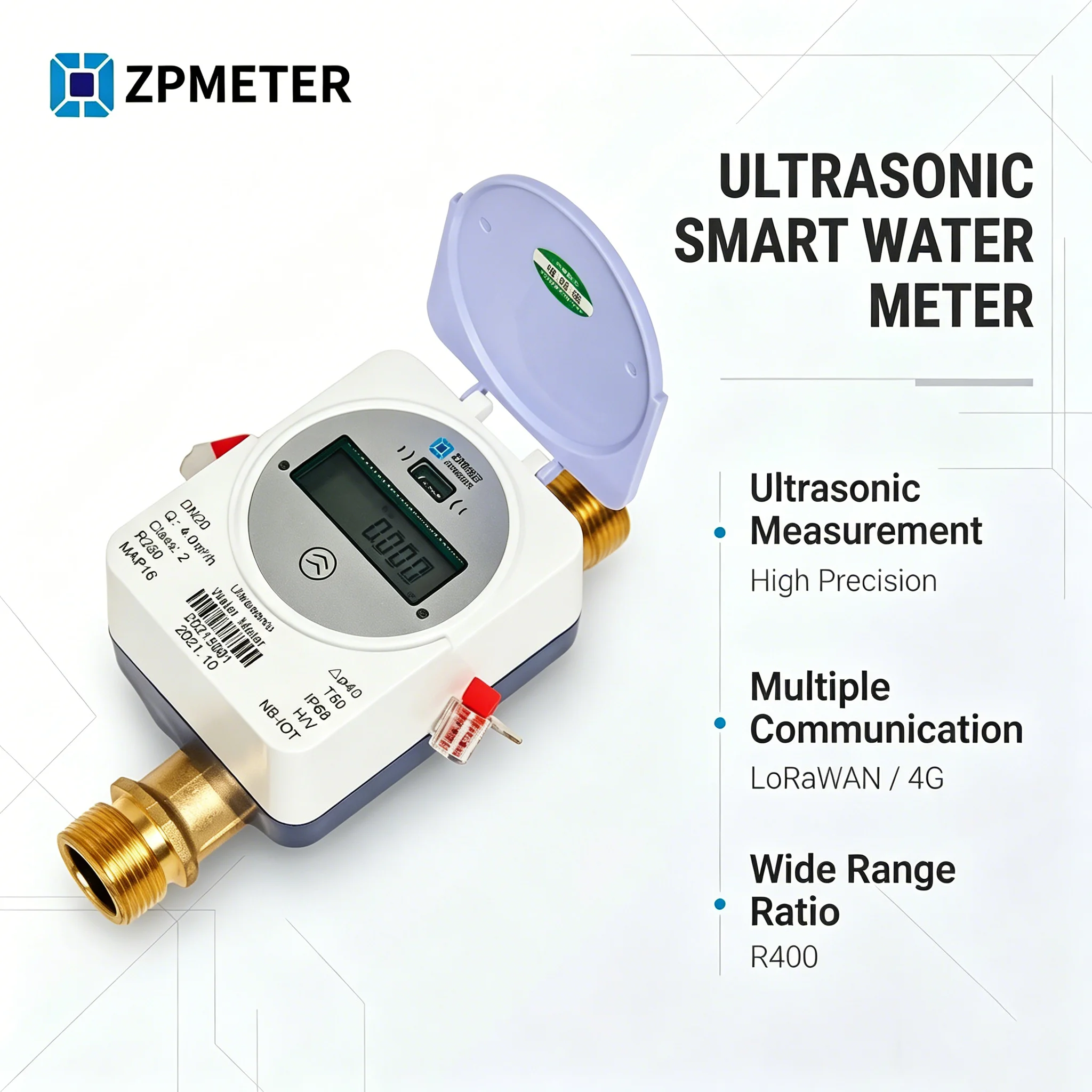
Solid-State Electronic Measurement and High Precision Traditional mechanical meters rely heavily on moving components like impellers and gears to measure flow, which makes them susceptible to mechanical wear, clogging, and loss of accuracy over tim...
VIEW MORE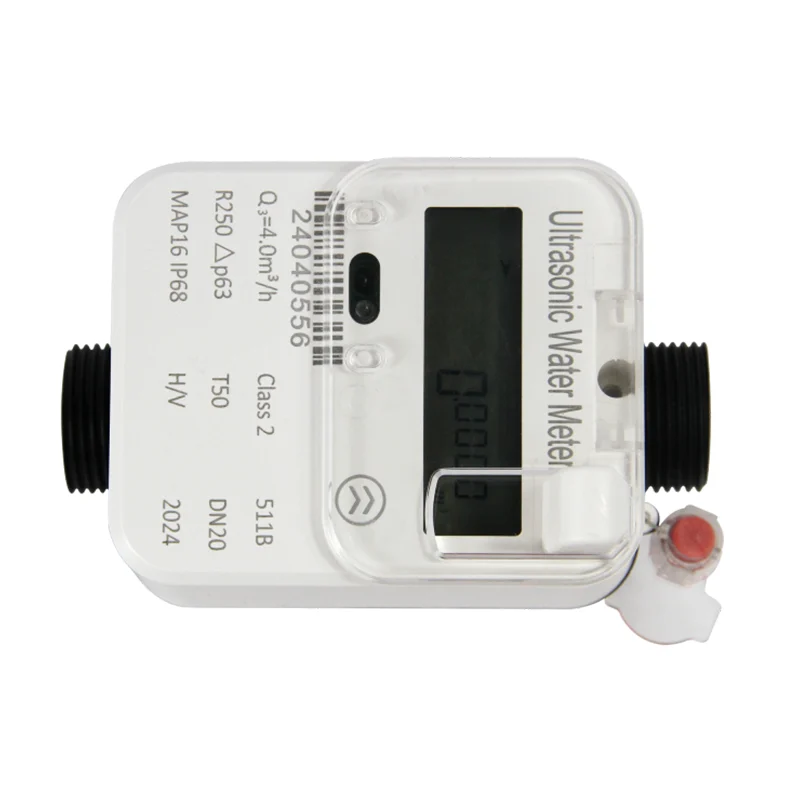
Understanding the Digital Meter Interface Transitioning from analog spinning dials to solid-state digital displays represents a significant upgrade in residential water infrastructure. Legacy mechanical meters relied on physical sweep hands and mec...
VIEW MORE
Key Preparation Principles Before Meter Mounting Transitioning from traditional mechanical water meters to modern ultrasonic electronic units fundamentally changes how flow networks operate. Precision sensors and transit-time transducers demand sta...
VIEW MORE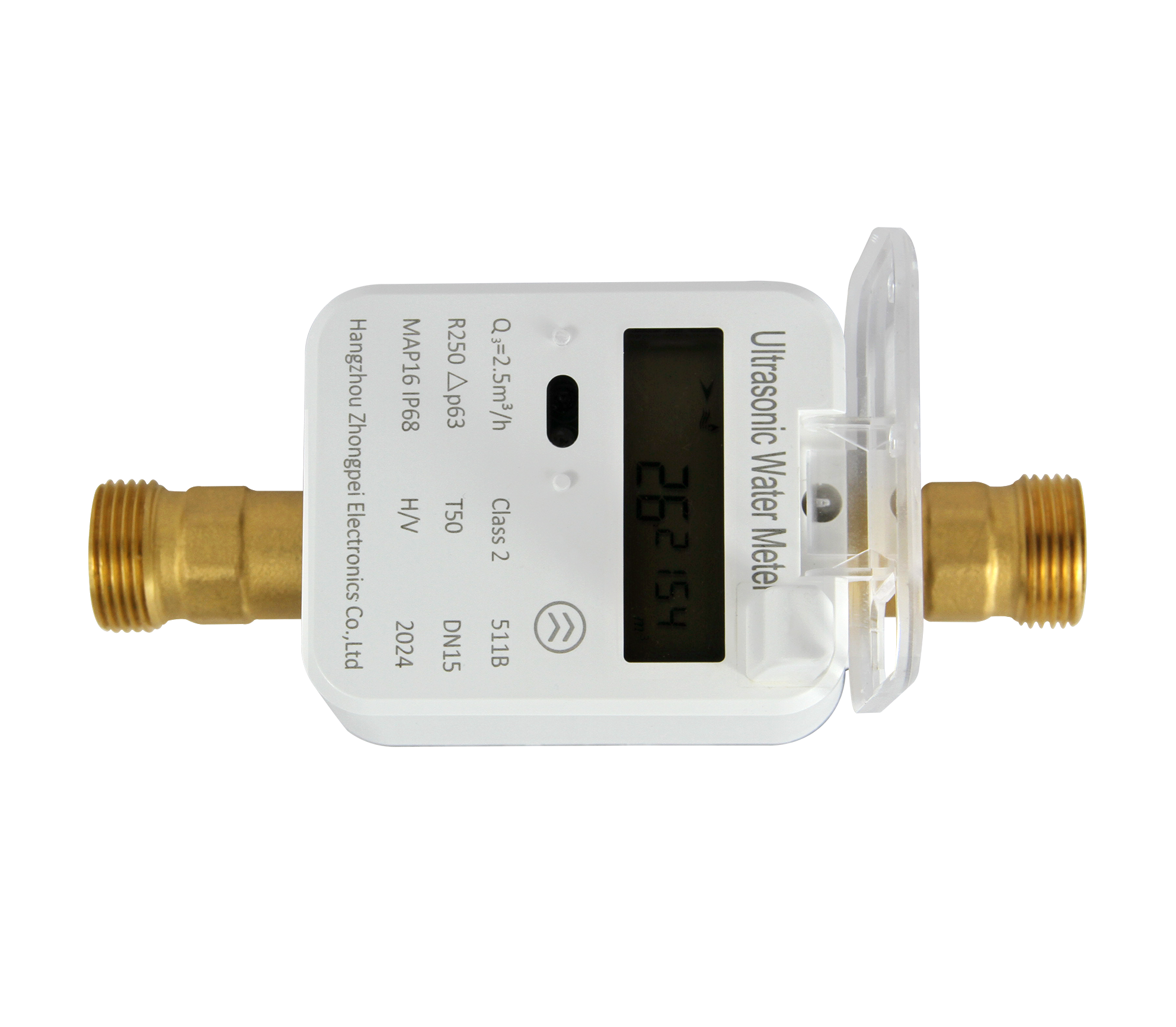
How Digital Water Meters Achieve Superior Measurement Accuracy Ultrasonic and electromagnetic sensing: eliminating mechanical wear for consistent precision Digital water meters achieve superior accuracy by leveraging solid-state sensing technologie...
VIEW MORE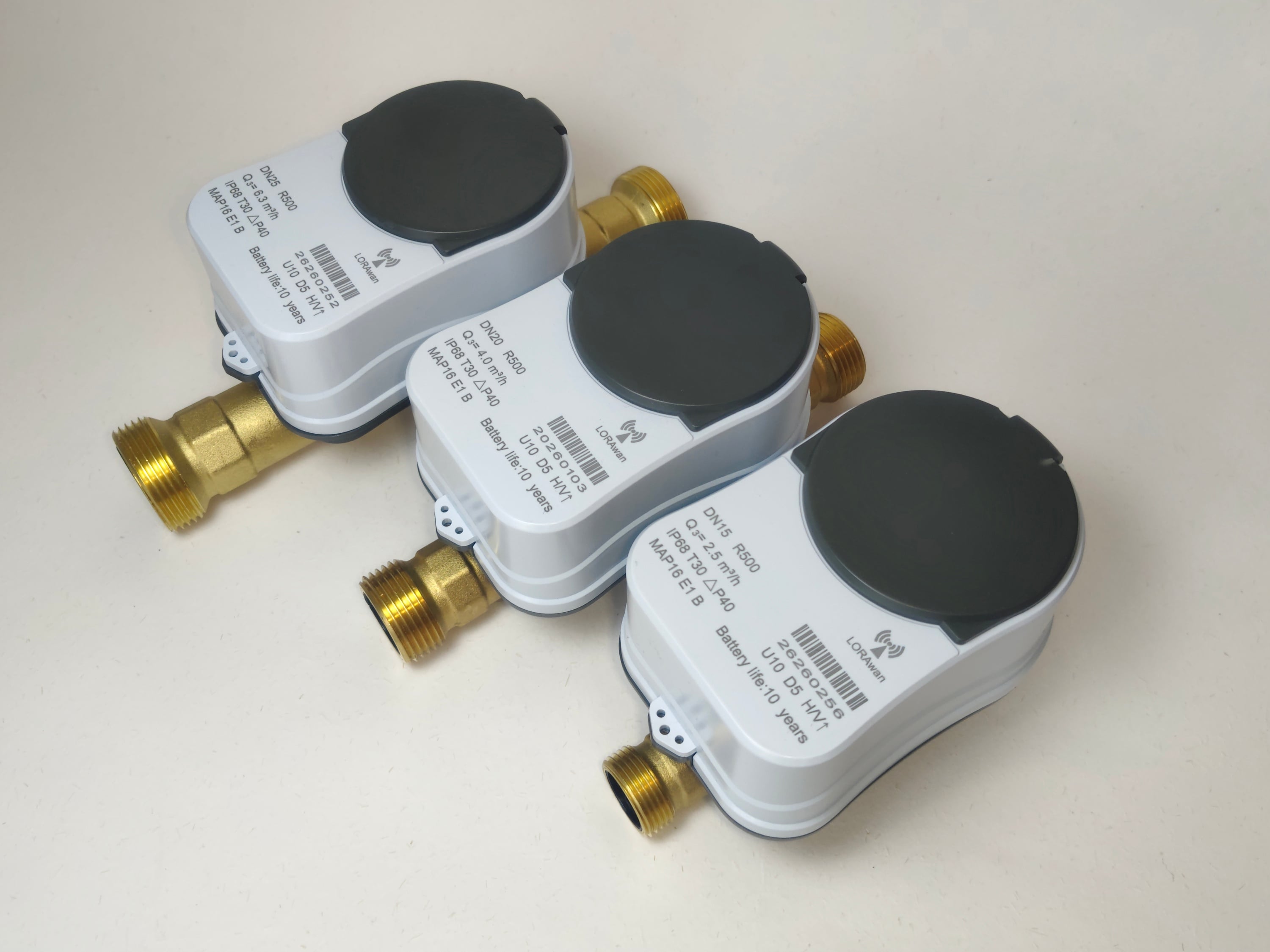
Addressing Non-Revenue Water with Precision Smart Water Meter Design The NRW crisis: How aging infrastructure and undetected leaks cost utilities up to 30% of revenue Non-revenue water (NRW) — water produced but not billed — remains a p...
VIEW MORE
Zhongpei Electronics offers advanced ultrasonic water and heat meters with precise measurement, energy-saving features, and smart management systems. Serving global utilities and municipalities with reliable metering solutions since 2009.
Office: Room501 Wanli Building No.1198 Wenyi West Road Yuhang District Hangzhou.
Factory: 2nd Building 25# No.2 Yongtai Road Renhe Street Yuhang District Hangzhou.
Copyright © 2025 by Hangzhou Zhongpei Electronics Co., Ltd. Privacy Policy
 EN